
Rent or Buy in Ahmedabad? The City Has Changed and So Has the Answer
Summary
Ahmedabad's property market has significantly evolved, shifting the rent vs. buy equation for 2026. This analysis details current property prices, rental costs, strong rental yields, and appreciation potential driven by infrastructure, favoring long-term buyers.

Introduction
Ahmedabad has spent years being treated as the sensible, affordable alternative in India's property market conversation. People from Mumbai and Delhi would glance at it, admire the prices, and move on to flashier destinations. That era is ending. The city is now operating at a genuinely different level, with infrastructure investments, employment diversification, and metro expansion actively reshaping what it means to own or rent here.
If you are currently renting in Ahmedabad or planning to move there, the rent vs buy Ahmedabad calculation deserves a fresh and honest look.
Where Property Prices Stand Right Now
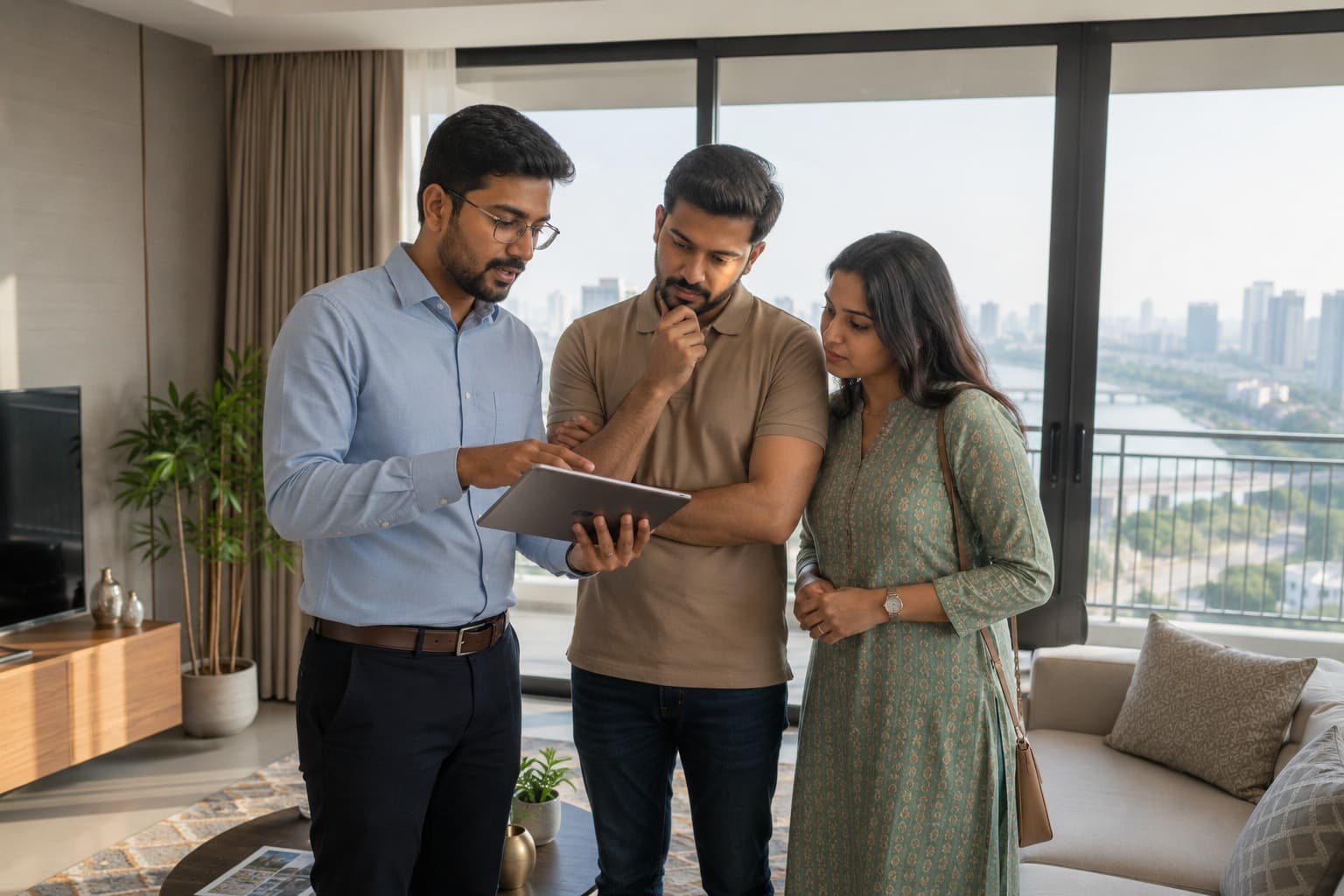
Ahmedabad property prices 2026 are more varied than most outsiders expect. The city's average residential rate stood at approximately Rs 4,820 per square foot through late 2025, but that number covers enormous range. In emerging suburban corridors like Shela, Bopal, and South Bopal, mid-range apartments sit between Rs 5,000 and Rs 7,000 per square foot. Premium localities including Ambli and Sindhubhavan Road have crossed Rs 9,000 to Rs 10,000 per square foot for newer projects. Budget zones in areas like Naroda and Vastral still offer options between Rs 2,500 and Rs 3,500 per square foot.
A reasonably located two-bedroom flat in a quality Ahmedabad project today comes in between Rs 55 lakhs and Rs 85 lakhs depending on the corridor.
What Renting the Same Space Costs
Monthly rents in comparable Ahmedabad neighbourhoods for a two-bedroom apartment currently range from Rs 14,000 to Rs 25,000 depending on location, furnishing, and building quality. Premium furnished units near commercial nodes or the GIFT City belt push toward Rs 30,000 monthly.
Taking a midpoint of Rs 18,000 per month, a tenant is spending approximately Rs 2.16 lakhs annually with no ownership stake building underneath those payments. When deposit costs locked in at lease signing are factored, the upfront outgo for a renter is also not trivial.
The Rental Yield Story
Ahmedabad rental yield data creates an interesting dynamic for this analysis. Select micro-markets in the city are delivering gross yields between four and six percent, with localities like Maninagar East touching nearly eight percent in some configurations. That is genuinely strong for a Tier-1 adjacent market.
What this means practically is that landlords in Ahmedabad are earning reasonable income from their properties right now, and that income is likely to rise further as tenant demand grows from the expanding corporate and educational population. For a buyer entering today, this yield profile means rental income can meaningfully offset EMI costs if the property is purchased with that intent.
The Appreciation Case for Buying
Ahmedabad property appreciation has been consistent rather than dramatic, which is actually a reassuring quality for long-term buyers. The overall market recorded around three percent annual appreciation in early 2026, with high-demand strategic zones like SG Highway delivering ten to fifteen percent annually in strong years. The six-year compounded annual growth rate for certain corridors sits at four percent, which underperforms some other metros but does so with far lower volatility.
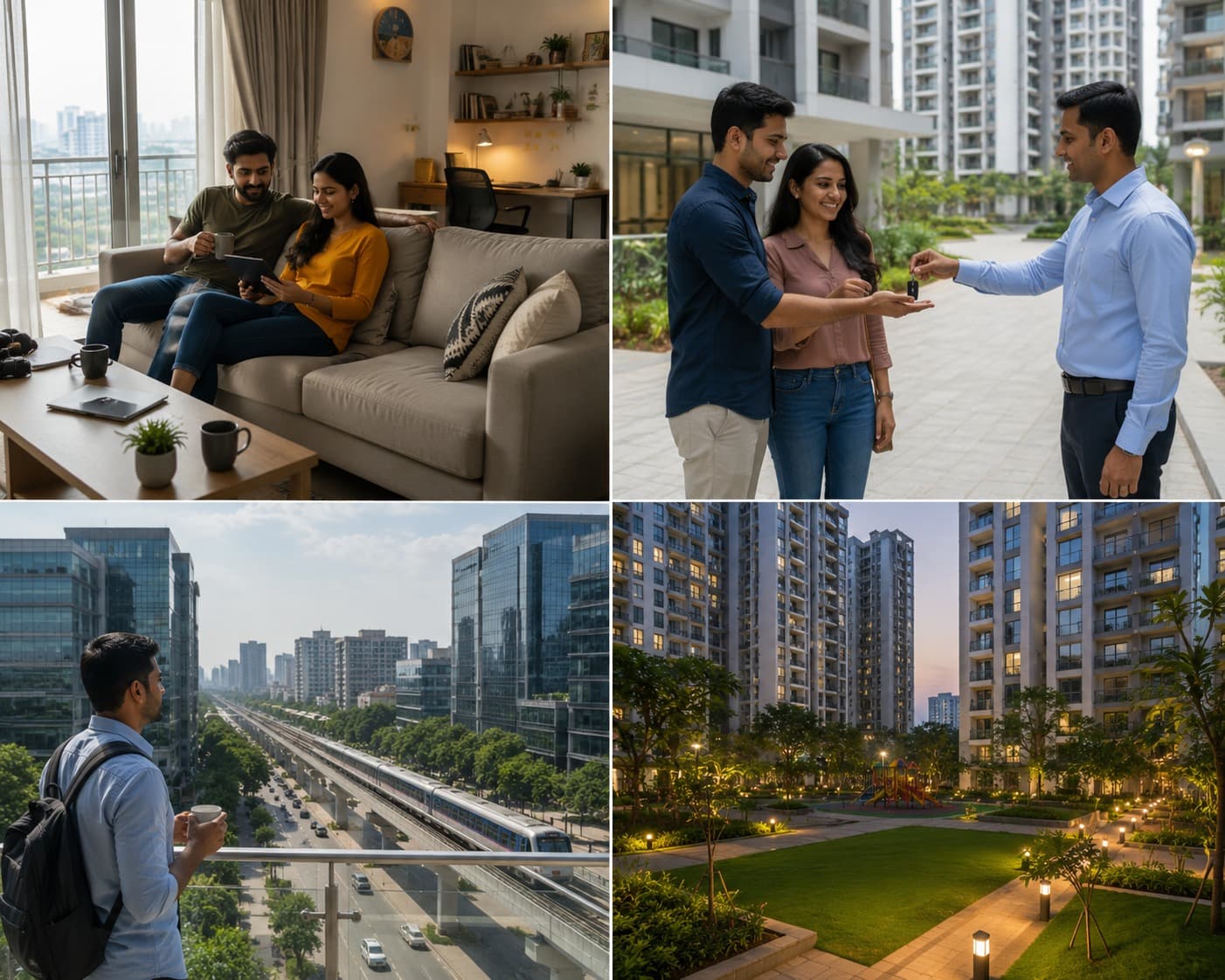
The real appreciation inflection point is still building. GIFT City and its expanding financial services ecosystem, the Ahmedabad Metro expansion, and the Sardar Patel Ring Road corridor are all infrastructure catalysts that have not yet fully priced into residential values. Buyers entering now are positioning ahead of that repricing.
When Renting Still Makes Sense
Buy or rent Ahmedabad decisions should account for genuine personal circumstances. If your stay in the city is uncertain beyond two years, the transaction costs of purchase including stamp duty and registration create a high break-even point that renting sidesteps cleanly. If your budget forces you to borrow beyond forty percent of net monthly income in EMI, the financial strain over a twenty-year tenure outweighs the ownership benefit.
Summary
The Ahmedabad rent vs buy emerging metro picture in 2026 favours buying for anyone with income stability and a five-year minimum horizon. Property prices Ahmedabad 2026 remain among the most accessible in any major Indian city. Rental yields between four and six percent mean the asset works harder here than in most comparable markets. GIFT City, metro expansion, and peripheral corridor development are all tailwinds that have not finished pushing values higher. For serious buyers, Ahmedabad's window of relative affordability is genuinely narrowing.