
Neighborhoods with the Highest Quality of Life
Summary
Discover what truly defines neighborhoods with a high quality of life. Beyond cost, key factors like walkability, green spaces, genuine safety, strong social infrastructure, and manageable commutes shape daily comfort and a sense of belonging.

Ask ten people what makes a neighbourhood good to live in and you'll get ten different answers, some talk about schools, others about silence at night. But a few patterns keep repeating across cities, and they're worth unpacking properly.
Walkability Changes How a Place Feels Day to Day
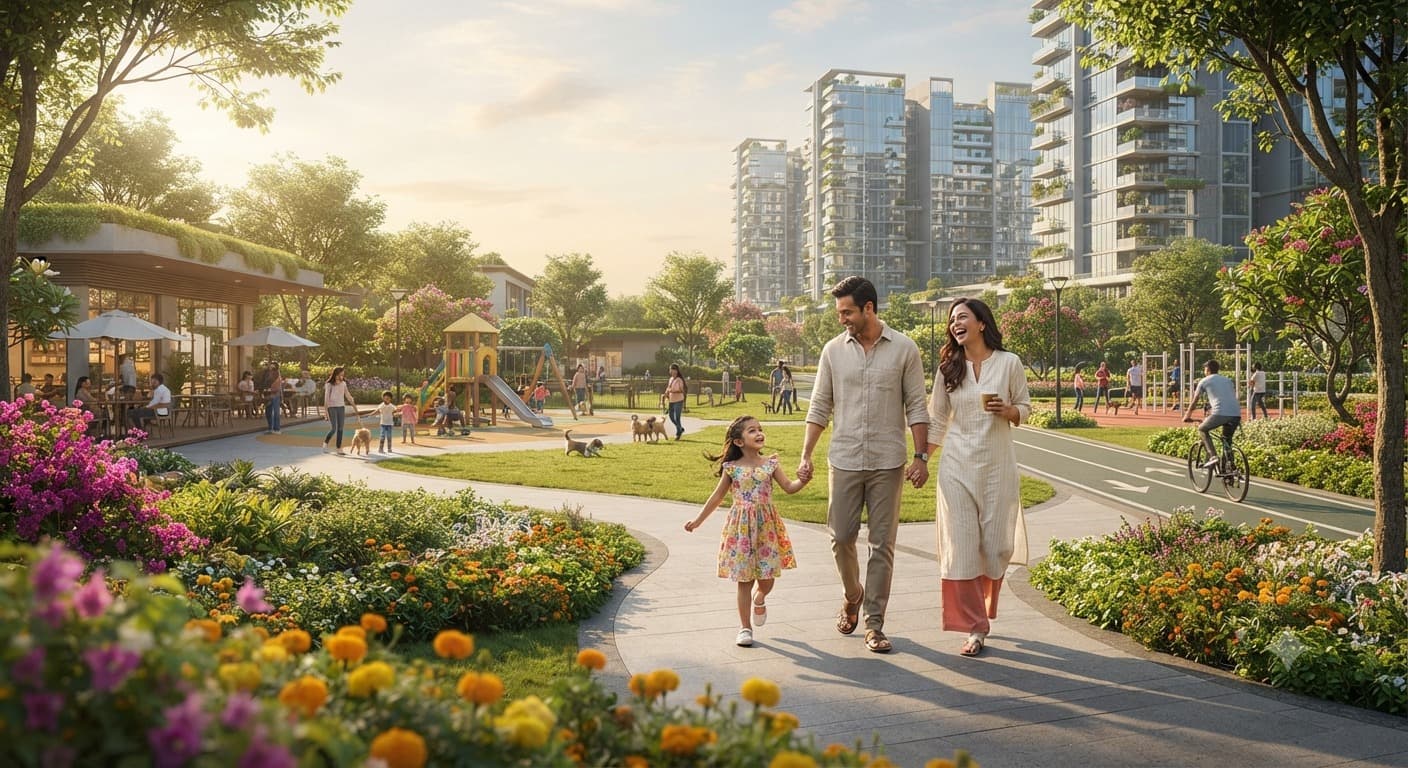
A neighbourhood where you can grab milk, drop kids at school, and reach a park without touching the car feels fundamentally calmer than one that demands driving for every errand. This isn't just convenience, it quietly reduces daily stress in ways people rarely credit to urban planning. Areas built around mixed use development, shops on the ground floor, homes above, tend to score higher on this front almost automatically.
Green Cover Isn't a Luxury, It's a Baseline
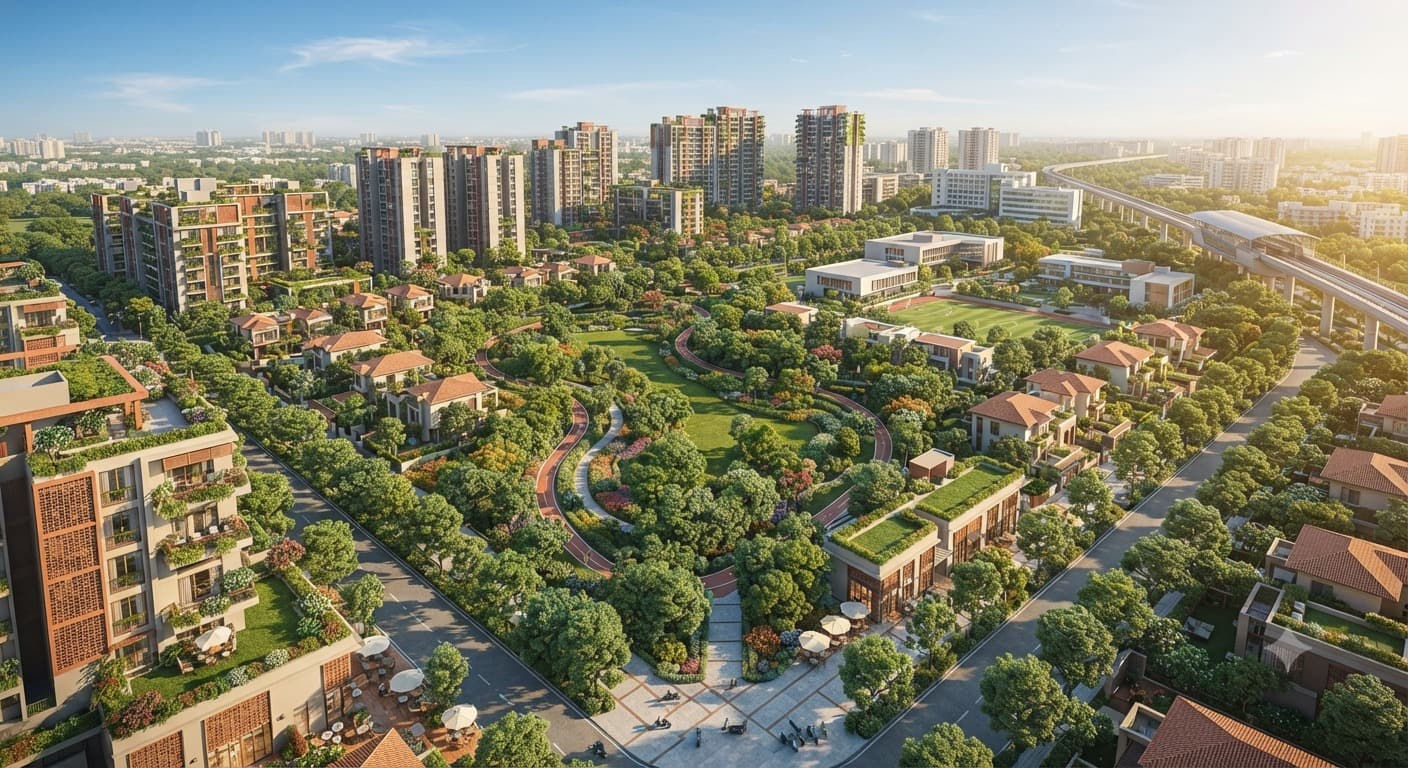
Locations with mature tree cover and accessible parks consistently report residents feeling more settled, and honestly, it shows the moment you step outside on a hot afternoon. A concrete heavy pocket without a single park nearby ages badly, both visually and in terms of actual liveability. Buyers evaluating residential neighbourhoods should treat green space the same way they treat square footage, as something non negotiable rather than a bonus.
Safety Is Felt Long Before It's Measured
Numbers on crime rates matter, sure, but what actually shapes a resident's sense of safety is smaller things, well lit streets, active local shops after dark, neighbours who know each other by name. A well patrolled but empty street can feel less safe than a modestly lit lane that's simply full of people. This is why some pockets with fewer visible security measures still feel safer than gated complexes with guards at every gate.
Social Infrastructure Ages a Neighbourhood Well
Good schools nearby matter obviously, but so do smaller things like a reliable local doctor, a neighbourhood market that hasn't been replaced by a mall, and community spaces where people actually gather. Areas that retain this social fabric tend to hold their quality of life rating for decades, while newer developments sometimes take years to build that same texture. It's the difference between a place that just has amenities and a place that feels lived in.
Commute Time Quietly Dictates Happiness
An hour long one way commute erodes free time in ways people underestimate until they've actually lived through it. Neighbourhoods positioned near major employment hubs or well connected metro corridors consistently rank higher in resident satisfaction surveys, simply because people get their evenings back. This is increasingly why buyers are willing to pay a premium for proximity over pure square footage.
Noise Levels Deserve More Attention Than They Get
A locality tucked slightly away from a main road, even by one lane, can feel dramatically calmer than one facing constant traffic. Buyers rarely factor this in during a daytime site visit, then regret it once they experience the same street at rush hour. Visiting a potential neighbourhood at different times of day genuinely changes what you notice.
Civic Responsiveness Makes or Breaks Long Term Comfort
Areas where municipal services, garbage collection, road repairs, water supply, function reliably tend to age gracefully, while neglected pockets deteriorate even if they started out premium. This is harder to judge from a single visit, so talking to existing residents about how quickly civic issues get resolved tells you more than any brochure will.
The Emotional Layer People Forget to Mention
Quality of life isn't purely logistical, it's also about whether a place feels like yours after a few months. Some neighbourhoods welcome newcomers naturally through shared spaces and local culture, others stay quietly closed off no matter how long you've lived there. That intangible sense of belonging often ends up mattering more than any single amenity on a checklist.
Summary
The best neighborhoods with high quality of life aren't necessarily the most expensive ones, they're the ones balancing walkability, green cover, safety, and genuine community feel. Commute time and civic responsiveness shape daily comfort just as much as visible amenities do. For anyone evaluating a residential neighbourhood, spending time there at different hours and talking to actual residents reveals far more than a glossy listing ever will.