
Metro or Tier-2: Where Does Your Property Money Actually Work Harder?
Summary
Metro vs. Tier-2 Indian property investment: Metros offer stability, liquidity; Tier-2s provide faster appreciation, better rental yields at accessible prices. Choose based on your capital, holding period, and goals.

Introduction
Walk into any family discussion about buying property in India and this question surfaces almost immediately. Should we buy in a metro city where everything is established, or look at a tier 2 city where prices are still within reach? It sounds simple. It rarely is.
Both sides of this debate have genuine merit. The problem is most buyers make the decision based on emotion or familiarity rather than on what the numbers actually suggest over ten years. Let us sort through it properly.
What Metro Cities Actually Offer
There is a reason cities like Mumbai, Delhi, and Bengaluru attract the lion's share of real estate India conversations year after year. They have deep employment markets, functioning civic infrastructure, consistent rental demand, and the kind of brand value that never fully disappears even during slow market cycles.
Metro city investment tends to deliver predictable, steady appreciation. Bengaluru's property market, for instance, has recorded price growth of close to 79 percent over five years in key corridors. Mumbai maintains demand through sheer population pressure and commercial density. The liquidity in these markets is also far superior, meaning when you want to sell, buyers exist.
The catch is entry price. A standard two-bedroom apartment in a reasonable Bengaluru neighbourhood now starts north of Rs 80 lakhs. In Mumbai, that number doubles or triples depending on where you look. The percentage of the population that can comfortably absorb those prices has shrunk considerably as values climbed.
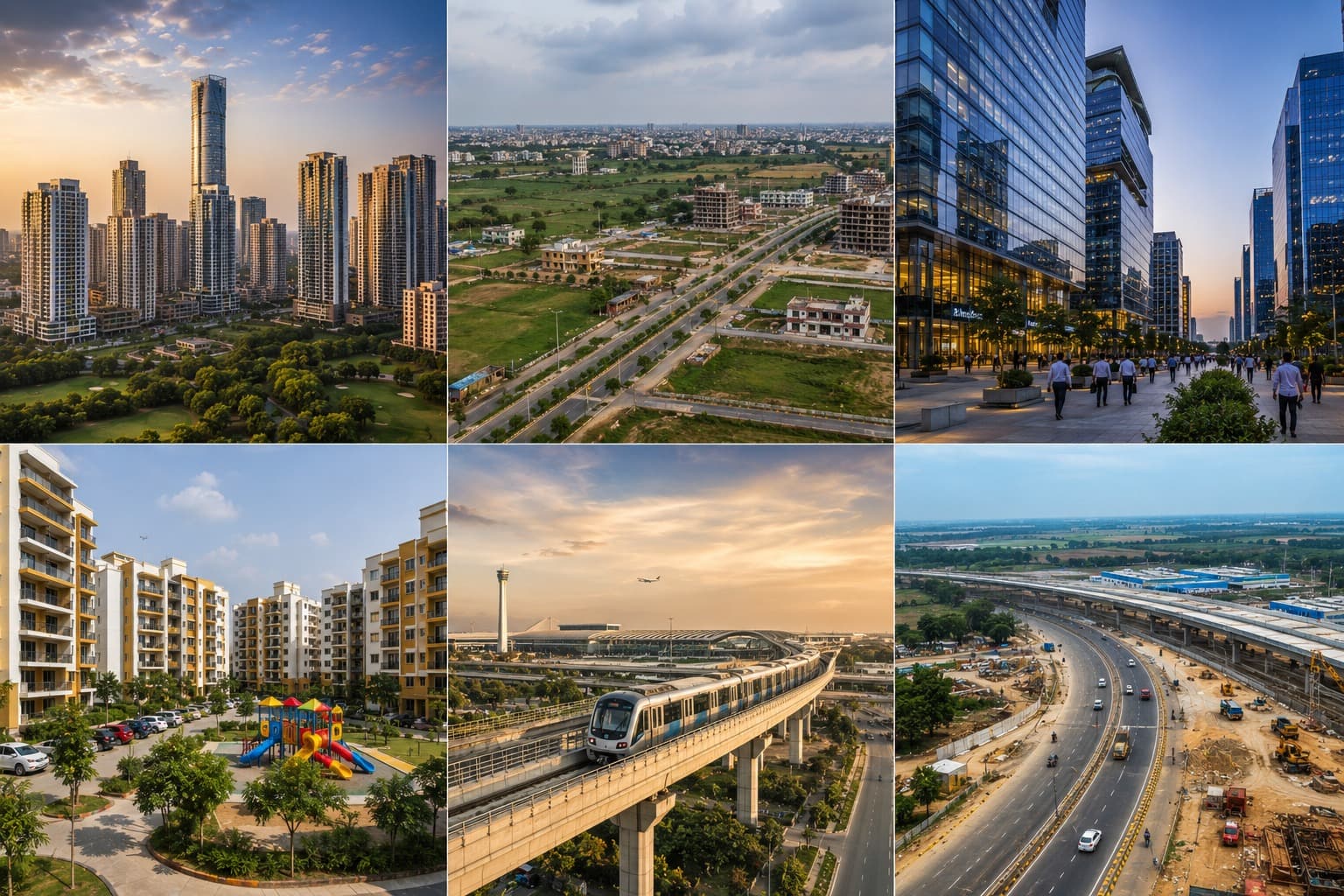
What Tier-2 Cities Are Actually Delivering
Here is where the conversation has genuinely shifted over the last three years. Tier 2 city real estate returns 2025 data is not the speculative story it once was. These are real numbers from registered transactions.
Lucknow posted capital appreciation touching 23 percent in 2025 alone, outpacing most Tier-1 markets. Indore has built a reputation as a logistics and startup base that is drawing corporate tenants into a market where entry prices still sit 50 to 70 percent below comparable Bengaluru properties. Jaipur is pulling second-home buyers and retirees at a pace that is visibly compressing the gap between new launch prices and resale values.
Tier 2 city property appreciation now averages between eight and twelve percent annually across the stronger markets, compared to six to seven percent in metros where high base prices limit the percentage upside. That gap matters significantly over a ten-year compounding horizon.
The Rental Yield Picture
Property returns India conversations often skip past rental yield because it feels secondary to capital gains. It should not. Metro cities offer nominal rental yields of three to four percent, which sounds respectable until you account for the enormous capital deployed to generate that income. The yield-on-cost figure in a city like Mumbai often drops below two percent for apartments purchased in the last five years.
Emerging tier 2 city markets, particularly those near industrial corridors or expanding IT campuses, are delivering four to five percent rental yields on entry-level investments. Ahmedabad and Coimbatore have attracted attention precisely for this combination of accessible pricing and growing tenant demand from young professionals relocating from metros.

How to Actually Decide
The honest answer is that neither category is universally better. Metro vs tier 2 city property India decisions depend on three personal variables: how much capital you have, how long you can hold, and what you need the asset to do.
If your holding period is under five years and you need liquidity, metro cities carry lower risk. If you have a seven-to-ten-year runway and want percentage growth on a more accessible starting price, tier 2 city real estate appreciation gives you a stronger mathematical argument. Many experienced investors now hold both, using metro assets for stability and affordable property tier 2 cities positions for upside.
Summary
The metro city vs tier 2 city property investment India 2025 debate has no single winner. Metro markets offer reliability, liquidity, and established ecosystems at a high entry cost. Tier 2 cities deliver faster percentage appreciation, better rental yields on invested capital, and genuinely affordable entry points that metros abandoned years ago. Match the city to your holding horizon, not your comfort zone, and the decision becomes considerably clearer.