
How to Spot a Genuine Green Building Before You Sign the Cheque
Summary
To spot a genuine green building in India, verify official IGBC certification or GRIHA rating, check the specific grade (e.g., Platinum, 5-star), and confirm it via public online registries. Look for tangible features like double-glazed windows and functional STPs to ensure long-term savings and avoid greenwashing.

Introduction
Every second project brochure in India today mentions the word green somewhere on the cover. A balcony garden and a rainwater pipe do not make a building sustainable, though, and buyers rarely know where the line sits. Understanding green building certification properly can save you lakhs in electricity bills over a decade, but only if you know how to tell a real certificate from a marketing sticker.
The Difference Between a Label and a Certification
A developer calling a project green is an opinion. A green building carrying an actual IGBC certification or a GRIHA rating has been assessed by an independent third party on measurable criteria like energy load, water recycling, and material sourcing. That distinction matters enormously, and it is the first thing a serious buyer should check.
Know Your Certification Bodies
India runs on three parallel systems. IGBC, set up by the Confederation of Indian Industry back in 2001, is the most commercially widespread and covers everything from homes to factories. GRIHA, developed by TERI and formally backed by the government since 2007, is the more indigenous system, tuned closely to Indian climate zones and mandatory for central government buildings. LEED, the global standard, is used mostly by multinational occupiers who want a certification recognised outside India too.
Ask for the Grading, Not Just the Name
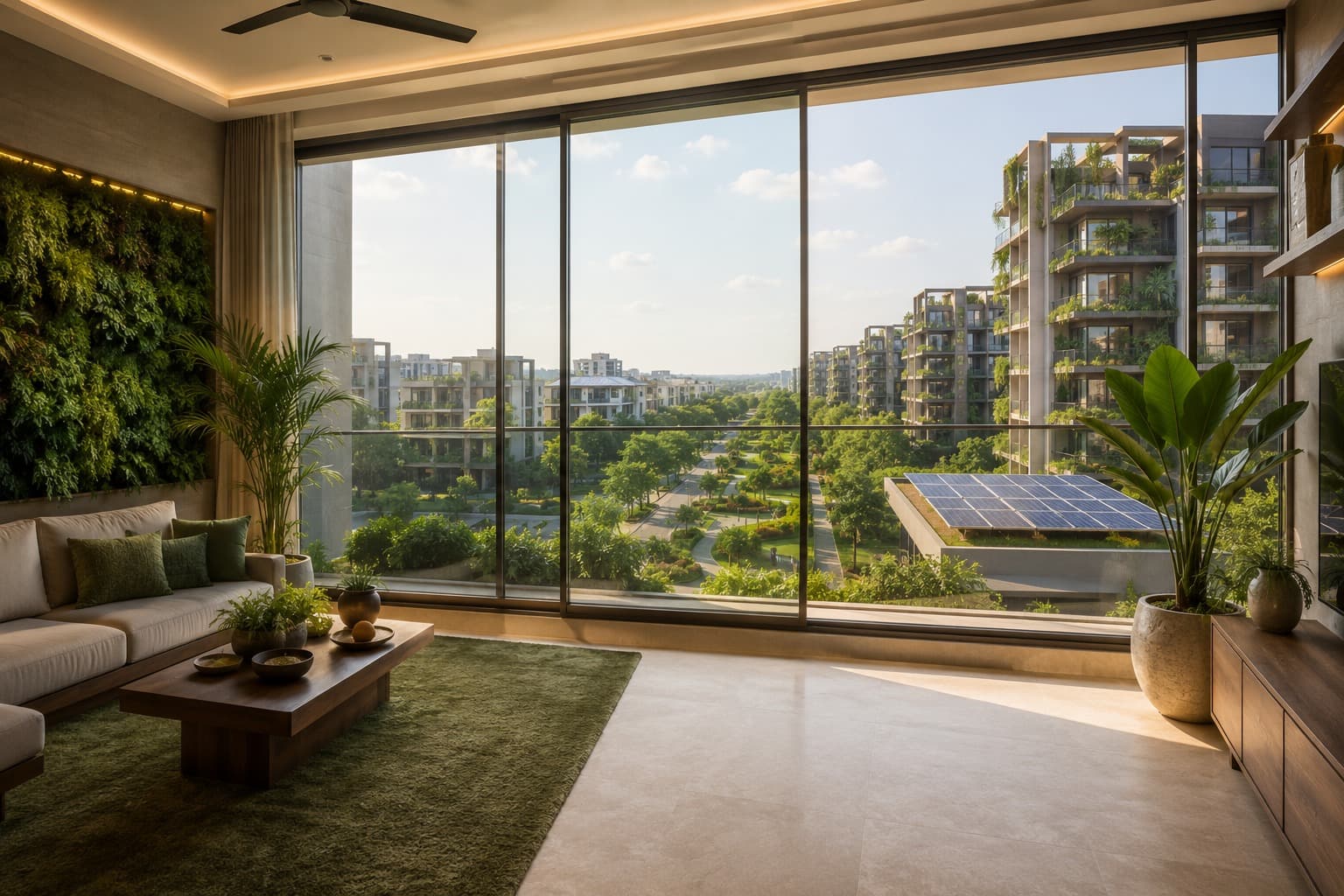
This is where most buyers stop too early. Hearing IGBC or GRIHA is not enough. IGBC ratings run from Certified up through Silver, Gold, and Platinum. GRIHA uses a star system out of five. A Certified or one star rating is the bare minimum passing a checklist, while Gold, Platinum, or four and five star ratings reflect genuine, measurable performance. If a sales executive cannot tell you the exact grade on request, treat that as a warning sign.
Verify It Yourself, Don't Just Trust the Brochure
Both IGBC and GRIHA maintain public project registries online where you can search by project name and city. A real certification will show up there with a registration or certificate number. If a project claims Platinum status but does not appear in the registry, or shows only as registered rather than certified, that gap is worth asking about directly before you pay any token amount.
Look Past the Certificate to the Actual Features
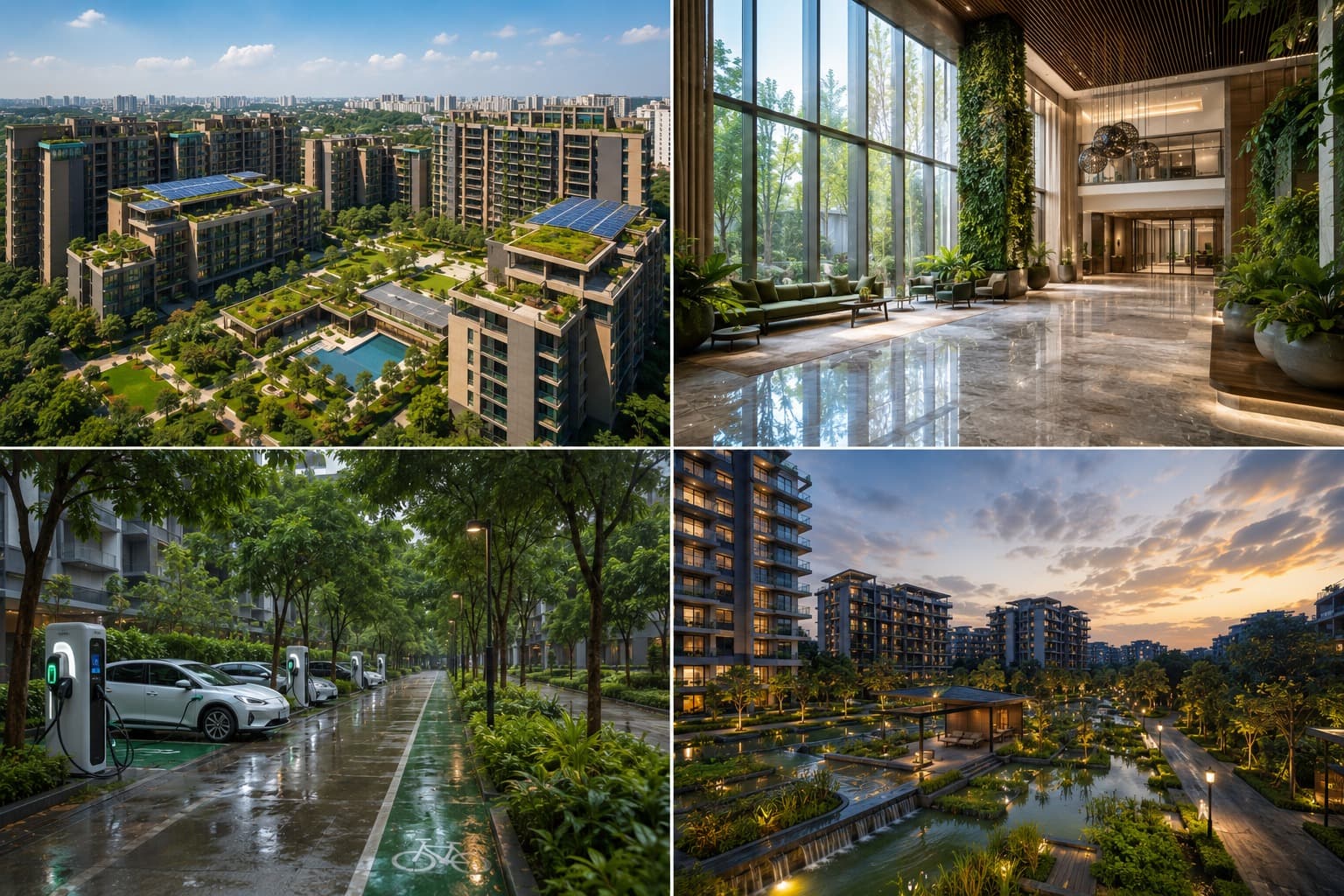
A genuinely sustainable building usually shows it in details a buyer can physically inspect. Double glazed windows, solar assisted common area lighting, sewage treatment plants that are actually running, and material choices like fly ash bricks or AAC blocks are not decorative choices. They are cost drivers that a developer would not add without pursuing certification seriously.
What This Actually Saves You Long Term
Certified projects in India have shown measurable cuts of around thirty to fifty percent in energy use and a similar drop in water consumption against conventional buildings of comparable size. For a household, that translates into a noticeably lighter monthly electricity bill, and for larger developments it often unlocks additional floor area ratio or property tax rebates depending on the state.
Watch Out for Greenwashing Tactics
Some projects use terms like eco enclave, green address, or nature living purely as naming conventions with zero backing certification. And why would a developer skip an official rating if the building is genuinely green? Usually because the certification process costs money and time that a marketing department would rather skip.
Questions to Ask Before You Commit
Ask for the certificate number, the certifying body, the exact star or metal level, and whether it is provisional or final. A provisional certificate issued at the design stage is not the same as one confirmed after construction and operation.
Summary
Genuine green building status in India comes down to verifiable IGBC certification or GRIHA rating, not brochure language. Buyers should check the exact grading level, confirm it against the official registry, and inspect physical features like glazing and water treatment before trusting any claim. A green home buyer checklist built around these checks protects you from greenwashing and ensures the long term utility savings a certified home is supposed to deliver actually materialise.