
How Premium Localities Affect Property Value in India
Summary
Premium localities in India significantly drive property value by offering superior connectivity, social infrastructure, and exclusivity. These areas, often characterized by land scarcity, consistently outperform broader markets, providing both lifestyle benefits for end-users and robust downside protection for investors.

Introduction
Ask any experienced property buyer what the single most important factor in a purchase decision is, and the answer comes back the same almost every time. Location. Not the floor plan. Not the builder brand. Not even the price per square foot in isolation.
A premium locality does something no amount of interior finishing can replicate. It creates a sustained floor under property value that holds even when broader markets slow down. Understanding what actually makes an area posh and why that label translates into hard rupees on the price tag is something every serious buyer in India needs to grasp before they commit.
The Price Gap Is Real and It Is Significant
The numbers speak for themselves. In Mumbai, property price appreciation in localities like Worli and Bandra West has pushed rates to between Rs 50,000 and Rs 85,000 per square foot. Altamount Road in South Mumbai sits at Rs 80,000 to Rs 1 lakh per square foot, making it among the most expensive residential addresses anywhere in Asia. Contrast this with peripheral suburban areas in the same city sitting at Rs 10,000 to Rs 15,000 per square foot and the gap becomes impossible to ignore.
In Hyderabad, Banjara Hills commands between Rs 25,000 and Rs 40,000 per square foot. Golf Course Road in Gurugram commands similar figures. These are not random numbers. They reflect a bundle of factors that buyers consistently pay a premium for, and understanding those factors is the key to evaluating whether a premium locality justifies its asking price.
Connectivity to Employment Centres
No single factor drives property value in urban India more reliably than proximity to major employment zones. Areas that sit within comfortable commuting distance of large commercial districts, IT parks, or financial hubs command a sustained price premium because the pool of potential buyers and tenants never shrinks.
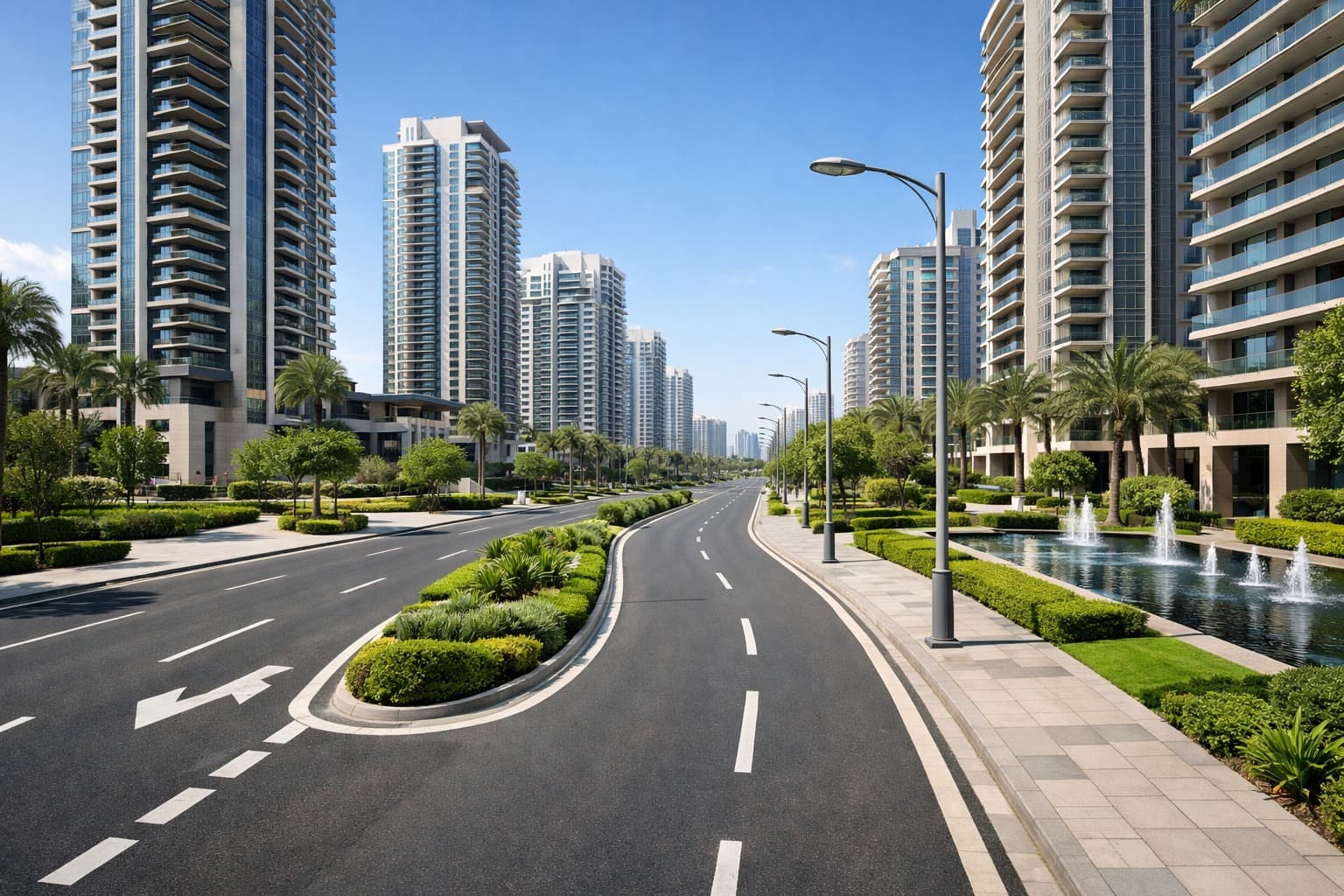
Worli's connection to Bandra Kurla Complex and Nariman Point, Banjara Hills' closeness to HITEC City, and Bandra West's positioning near BKC are all textbook examples of this dynamic. When residents can reach their workplace without battling two hours of traffic, the address becomes genuinely valuable rather than just aspirational.
Quality of Social Infrastructure
Top-ranked schools, reputed hospitals, premium shopping destinations, and quality restaurants cluster inside posh areas. And that clustering reinforces itself. Families with children pay specifically to be within the catchment zone of a reputed school. Buyers approaching retirement want reliable hospitals within fifteen minutes. Neither group is willing to compromise on this, which keeps demand for premium locality housing structurally strong year after year.
Malabar Hill in Mumbai offers St. Elizabeth's Hospital and The Cathedral School within its immediate vicinity. Powai draws families partly because of IIT Bombay and a cluster of multinational offices nearby. Exclusivity of social infrastructure is not incidental to premium pricing. It is a primary driver.
Land Scarcity and Supply Restriction
One of the most underappreciated reasons luxury real estate in established premium areas keeps appreciating is that new supply is physically constrained. There are only so many sea-facing plots in Juhu or hillside positions in Bandra. Once built out, these localities cannot be replicated. Developers cannot simply add more Worlis to Mumbai or more Golf Course Roads to Gurugram.
This supply ceiling combined with steady demand from high-net-worth buyers, NRIs, and corporate tenants creates an environment where property price appreciation tends to outpace the broader market over long holding periods. The average property price across Mumbai's Metropolitan Region rose 54 percent over four years to reach Rs 1.57 crore in 2025. Premium micro-markets within the city did considerably better than that average.
Safety, Community Profile and Exclusivity
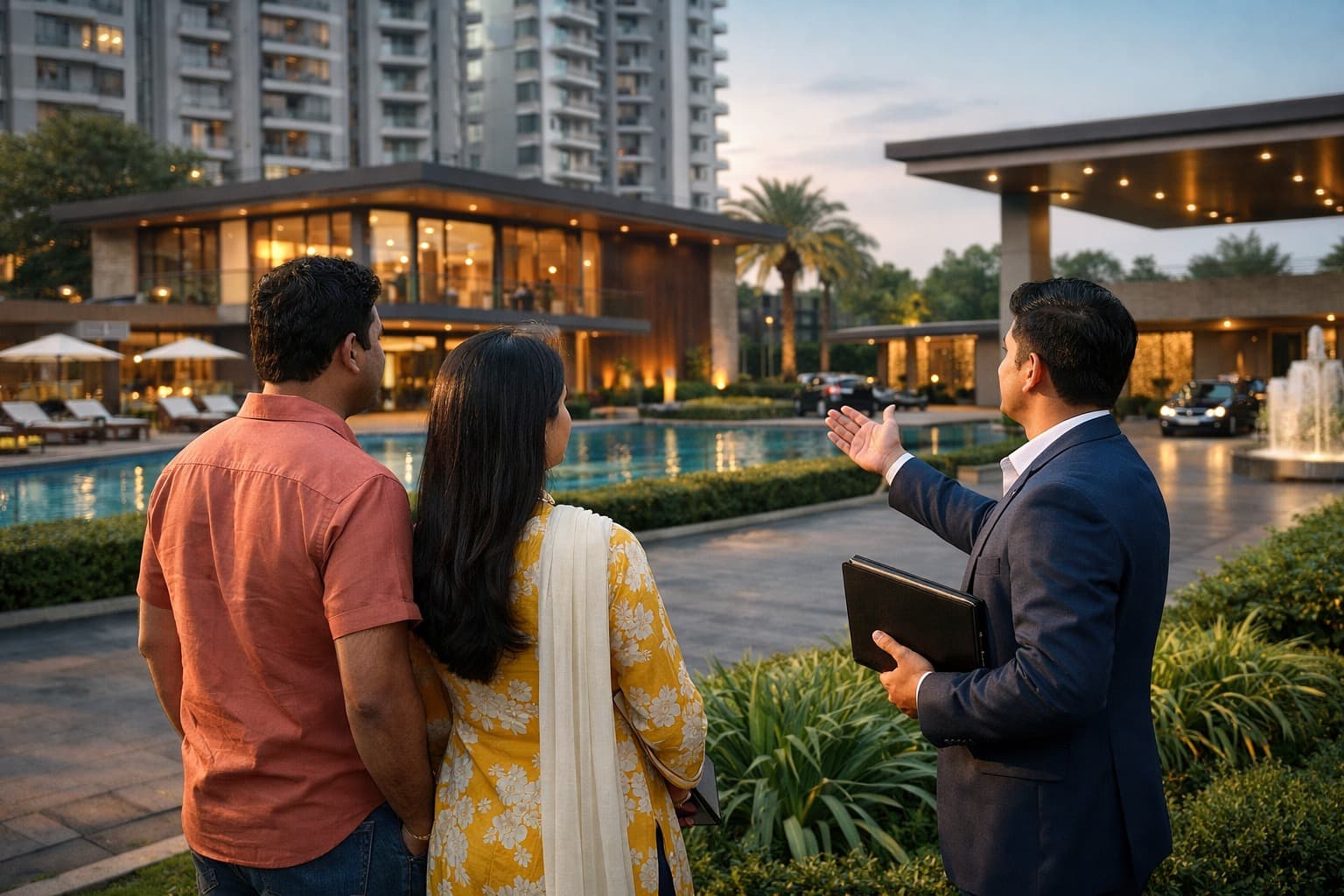
This factor is rarely discussed openly but it is very real. Posh areas attract a certain resident profile, and that profile itself becomes a draw for the next wave of buyers. Gated communities, private security, well-maintained roads, low crime perception, and the presence of established business families or celebrities in the neighbourhood all contribute to the desirability of an address.
Buyers at this price level are not simply purchasing square footage. They are purchasing a social identity, a safety net for their family, and access to a peer group that matters for their professional and social lives. Bandra West, Jubilee Hills in Hyderabad, and Alipore in Kolkata all carry this intangible premium alongside every tangible advantage.
What This Means for Buyers and Investors
For end users, a premium locality offers lifestyle returns that cannot be reduced to a spreadsheet. For investors, the case rests on downside protection. During market corrections, luxury real estate in established premium areas holds value far better than peripheral or mid-segment locations because demand from genuinely wealthy buyers rarely evaporates completely.
The smartest approach is to identify emerging localities that share the structural characteristics of today's premium areas but have not yet been fully priced in. Sectors like Noida's Sector 150, Yelahanka in Bengaluru, and Hinjewadi in Pune are displaying early signals of that transformation.
Summary
Premium locality status is not simply a label. It is a measurable cluster of advantages including connectivity, social infrastructure, supply scarcity, community profile, and consistent demand that together defend and grow property value over time. From Worli to Golf Course Road to Banjara Hills, India's posh areas consistently deliver property price appreciation that outpaces broader market averages. For any buyer evaluating luxury real estate investment India, understanding these factors is not optional. It is the foundation of every sound decision.