
Homes That Think Ahead: The Quiet Engineering Behind Sustainable Housing in India
Summary
Sustainable housing in India has evolved into a core design principle, driven by economic and environmental factors. It integrates smart engineering, efficient water/energy solutions, and sustainable materials, offering long-term savings despite a slight upfront cost. This trend is rapidly expanding nationwide, becoming a baseline expectation for modern homebuyers.

Introduction
Ask any builder from a decade ago what "green" meant and you'd probably get a shrug, maybe a mention of a few extra plants in the lobby. That's changed. Today, a serious developer treats sustainable housing as a design problem to be solved before the first brick goes down, not a marketing sticker added at the end. Buyers ask sharper questions now, about water bills, about summer heat inside the flat, about whether the building will still feel efficient a decade from now.
Why This Shift Actually Happened
Electricity costs climbing every year had a lot to do with it. So did water scarcity scares in cities that once assumed they'd never run dry. Developers noticed something else too, that flats marketed as energy efficient homes were selling faster and holding value better, which turned sustainability from a nice idea into a business decision almost overnight.
Getting the Rating Right From Day One
Most green buildings in India are certified under IGBC, the body that grew out of the Confederation of Indian Industry back in 2001, or under GRIHA, which TERI built specifically for Indian climate conditions. A project can also lean on EDGE if the developer wants something globally recognised with hard, measurable numbers attached. None of these are decorative badges. They force architects to rethink orientation, shading, and material choices from the ground up.
Water Is Where the Real Discipline Shows
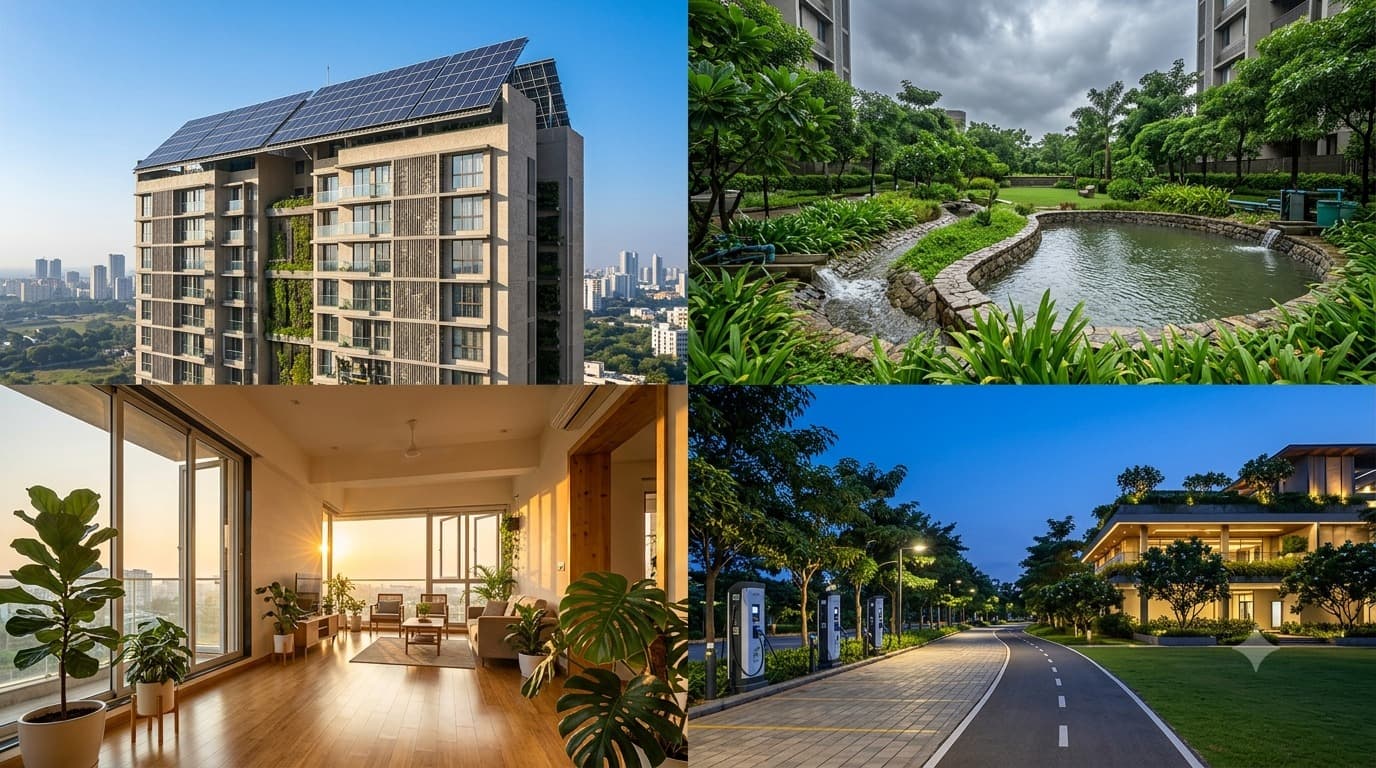
Rainwater harvesting pits aren't optional extras anymore in a well planned sustainable residential project, they're baked into the site layout. Low flow fixtures, greywater recycling for gardens, sewage treatment plants that actually get used instead of sitting idle, these details rarely make it into a brochure photo but they're what separates a genuinely green building from one that just looks that way.
Energy Choices That Add Up Over Time
Solar panels on the terrace, common area lighting on motion sensors, and window placement designed around the sun's path rather than the view alone, these choices compound. A building consuming forty percent less power than a conventional one isn't a fluke, it's the result of decisions made at the drawing board stage, long before residents move in and start paying bills.
The Materials Nobody Notices
Fly ash bricks, AAC blocks, and locally sourced stone show up more often now than imported marble ever did in mid market housing. Cement replaced partly with industrial byproducts cuts the carbon footprint of a project meaningfully, and it's cheaper too, which is probably why developers adopted it faster than any government mandate could have forced them to.
What This Actually Costs a Buyer
Here's the honest bit. A certified green building typically costs somewhere between three and eight percent more to construct than a conventional one. But that premium tends to get recovered within five to eight years through lower electricity and water bills, and after that, the savings are basically free money every single year the family lives there.
Tier Two Cities Are Catching Up Fast
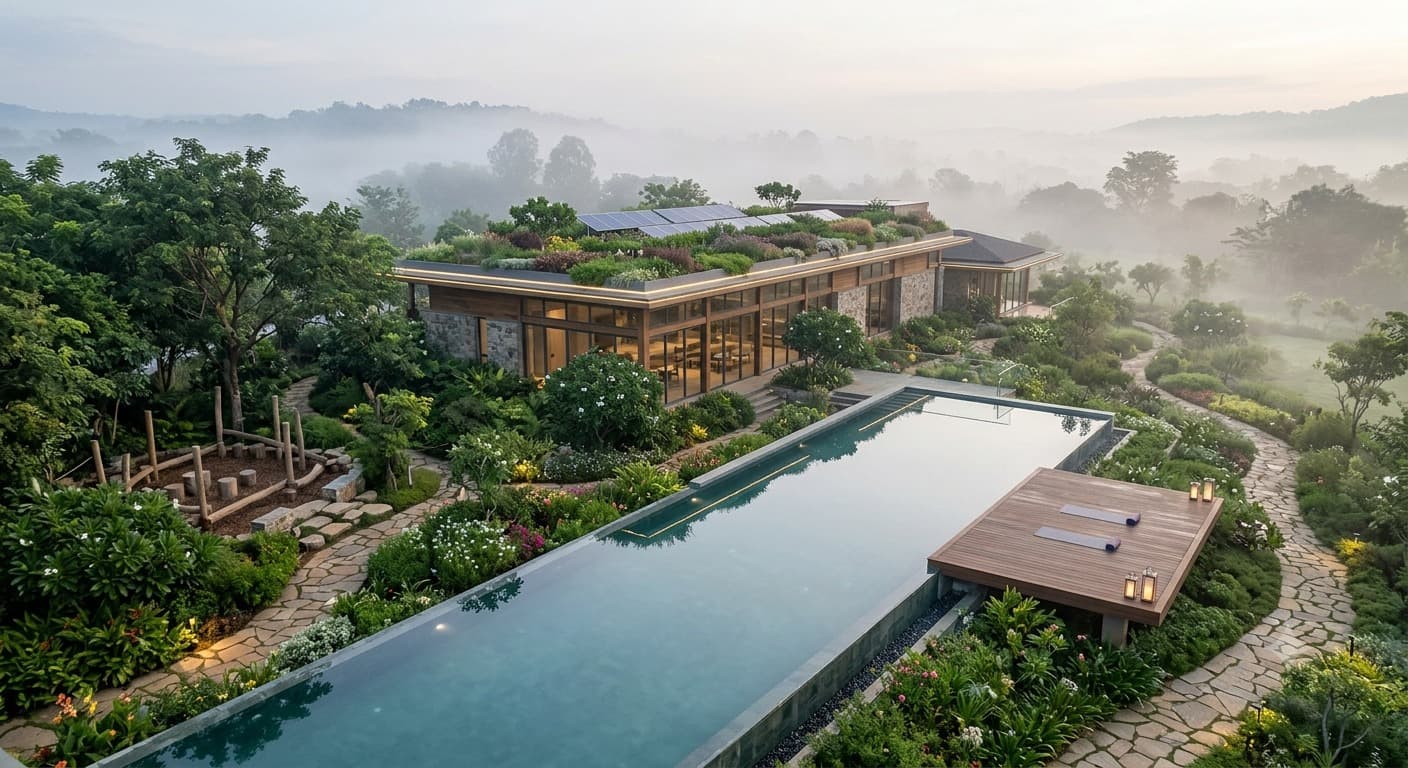
Pune has become something of a hub for this movement, and Indore, Bhubaneswar, and cities across Madhya Pradesh are running their own sustainability conclaves now. It's not just a Mumbai or Bengaluru conversation anymore. Smaller cities with newer housing stock are, in some ways, better positioned to build green from scratch than older metros retrofitting outdated buildings.
Where the Whole Sector Is Headed
Regulators are tightening norms, states are offering property tax rebates and faster approvals for certified projects, and buyers keep getting more informed with every purchase cycle. Give it five years and unrated apartments might struggle to sell at all in the segments that matter most, simply because comparison shopping has become second nature to homebuyers.
Summary
Sustainable housing in India has moved from a fringe idea to a core part of how serious developers plan sustainable residential projects. Certifications like IGBC and GRIHA push builders toward smarter water use, better materials, and genuinely energy efficient homes, and while green buildings cost slightly more upfront, the savings recover that gap within years. With demand rising in Tier 2 cities too, sustainability is becoming less of a choice and more of a baseline expectation for anyone buying a home today.