
Green Homes, Real Money: Do Eco-Friendly Projects Actually Deliver Better Returns?
Summary
Eco-friendly real estate in India offers measurable financial returns, with certified green buildings commanding higher rents and resale values (5-15%) and significantly lower operating costs. This shift makes sustainable property investment a rational financial decision, not just an ethical one.

Introduction
There was a time when calling a project "eco-friendly" was essentially a marketing exercise. Developers would plant a few trees in the render, mention rainwater harvesting in a brochure footnote, and move on. Buyers, in turn, would nod politely and then ask about the car parking. That dynamic has changed in ways the industry did not fully anticipate. Eco-friendly homes are no longer a niche preference in Indian real estate. They are increasingly a financial argument, and one with real numbers behind it.
The question worth asking honestly is whether green building investment returns in India are actually better than conventional projects, or whether the sustainability premium is still more about feel-good marketing than measurable rupee gains.
What the Market Is Telling Buyers
India ranked third globally for LEED certified property in 2024, with 370 projects earning certification covering over 8.5 million square metres of built area. That is not a small number. It signals that developers across the country have made a serious commercial calculation: sustainability-rated buildings command better pricing and attract a different class of tenant and buyer.
The clearest evidence of this comes from the commercial leasing segment. In the first quarter of 2025, eight out of every ten square feet leased in India's top office markets went into green-certified buildings. Green building offices in cities like Bengaluru, Gurugram, and Mumbai are commanding rental rates 10 to 15 percent higher than non-certified spaces of comparable size and location. Flexible office operators in certified buildings have reportedly pulled nearly 50 percent more in rental value than equivalent non-certified peers.
These are not soft claims. They are transactional outcomes.
The Residential Picture
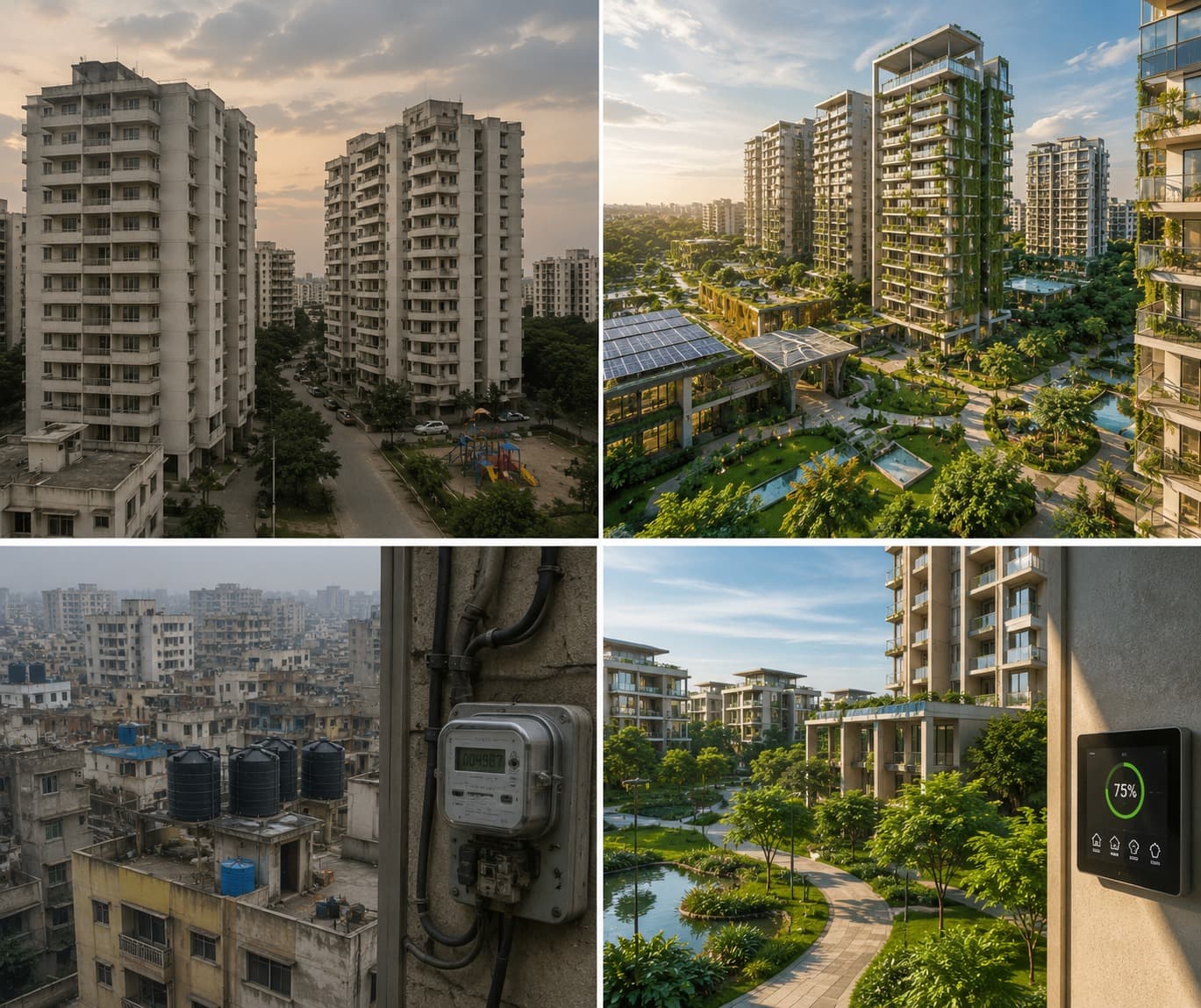
On the residential side, eco-friendly projects ROI India tells a story that is building momentum but is slightly harder to measure uniformly across markets. Sustainable homes with features like solar rooftop panels, dual-pipe plumbing, organic waste composters, and energy-efficient glass typically carry a 5 to 10 percent price premium at launch over conventionally built projects in the same locality.
The upfront cost adds up. Green buildings cost roughly 2 to 8 percent more to construct than standard buildings. Developers pass some of that along. But here is where the long-term arithmetic starts to flip in the buyer's favour. Operational savings on electricity and water bills in a well-designed eco-friendly home can run 20 to 50 percent lower than a conventional apartment. That gap compounds meaningfully over a ten or fifteen year holding period.
Sustainable homes resale value also shows a consistent premium. Buyers shopping in the resale market are increasingly willing to pay more for a GRIHA or IGBC green rating property, partly because of lower monthly running costs and partly because corporate tenants and NRI buyers specifically seek out green-certified buildings when they enter the rental or resale market.
Where the Numbers Work Best
The green property ROI story is not uniform across all segments and cities. It works most powerfully in four situations. First, Grade A commercial properties in major metros where MNCs and tech firms have explicit ESG mandates that require certified workspaces. Second, premium residential projects in cities like Bengaluru, Pune, and Hyderabad where the target buyer pool includes working professionals who understand and value operating cost efficiency. Third, projects with solar infrastructure and rainwater harvesting where monthly savings are visible on the maintenance bill from day one. And fourth, developments targeting NRI buyers, who consistently pay a premium for properties with international-grade environmental credentials because they are comparing them against housing standards in the UK, US, or Gulf.
The payback window on the green premium at purchase typically runs three to five years. After that crossover point, the owner is essentially saving money every month relative to a conventional property occupant, while simultaneously sitting on an asset that has a larger buyer pool when the time comes to sell.
What Buyers Should Watch For
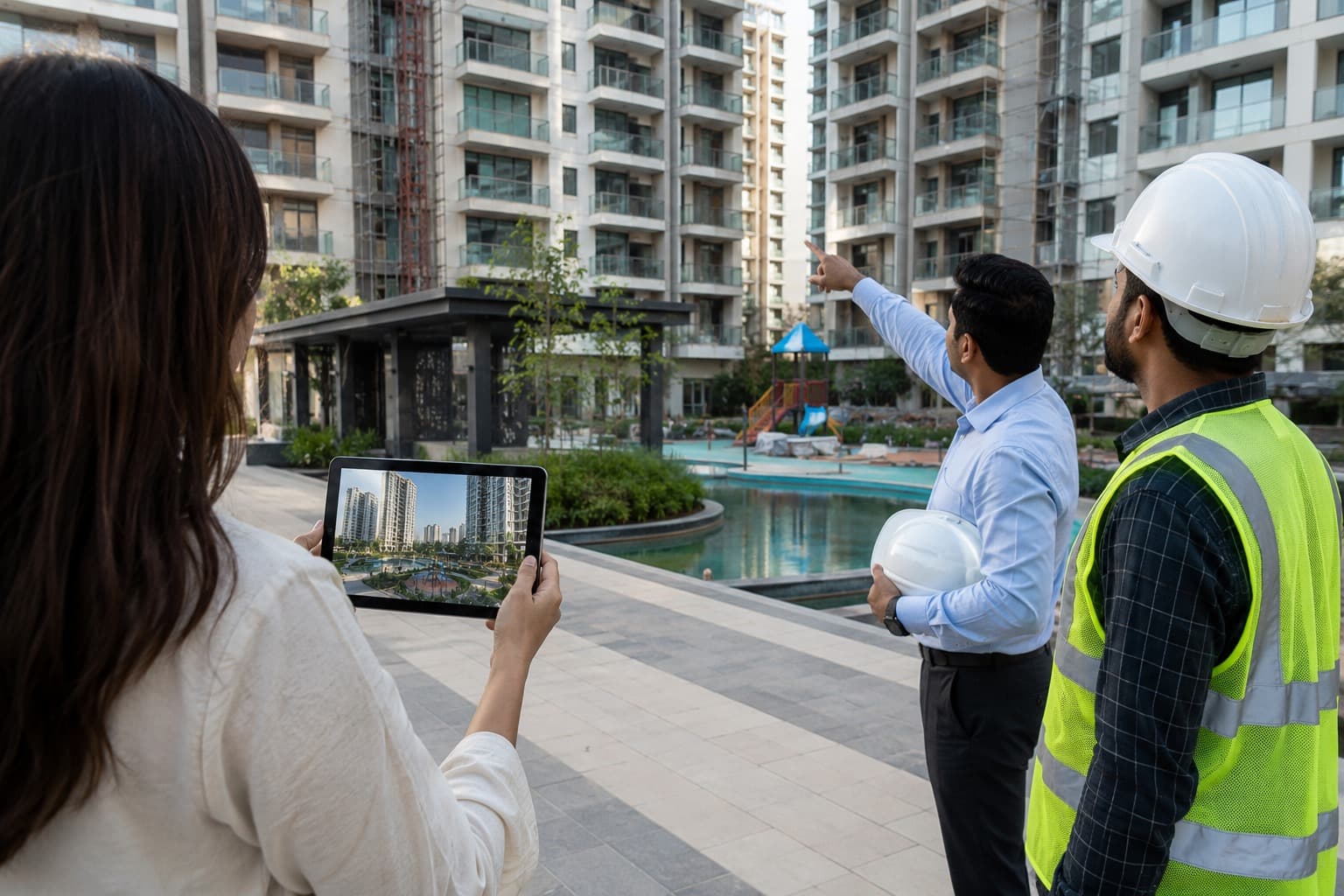
Not every project slapping the word "sustainable" on its hoarding is actually delivering eco-friendly homes with real certification. The difference between a genuinely certified LEED certified or IGBC-rated building and one that simply has a solar panel on the terrace is enormous in financial terms. Ask specifically for the certification tier, Certified, Silver, Gold, or Platinum, and verify it through the certifying body before committing.
Government policy is moving in the same direction as market demand. The Energy Conservation Building Code and Smart Cities Mission are creating regulatory pressure on new construction to meet green benchmarks, which means future supply will be increasingly green-rated. That shifts pricing power toward buyers who got in earlier.
Summary
Eco-friendly projects in India do deliver better returns, but only when the green credentials are genuine and the location supports premium demand. LEED certified and IGBC green rating properties command 5 to 10 percent higher resale value, 10 to 15 percent better rental premiums in commercial segments, and substantially lower operating costs across the holding period. The sustainable real estate investment returns India story is no longer theoretical. With India now ranked third globally in green certification volume and eighty percent of premium office leasing landing in certified buildings, eco-friendly housing project investments are crossing from ethical choice into financially rational decision territory.