
Does Living Near a Metro Station Justify the Higher Price Tag?
Summary
Paying a premium for metro-connected homes in India can be justified by predictable commutes, cost savings, and consistent property value appreciation. However, it's crucial to assess if the metro is operational and supported by last-mile infrastructure to ensure the investment is truly worthwhile.

Introduction
Every property agent in India has a favourite line these days. It usually sounds something like this: "Sir, metro connectivity is five minutes away." Sometimes it is true. Often it is a generous interpretation of walking distance. But regardless of the sales pitch, the question that actually matters to you as a buyer is simpler and more personal. Is the extra money you spend on a metro connected home India actually worth it in the long run?
What the Numbers Tell You
Across Indian cities, properties sitting within a walkable distance from an operational metro station tend to command noticeably higher prices compared to similar apartments further away. In cities like Bengaluru, Pune, and Delhi NCR, this difference has been tracked at roughly 10 to 20 percent over comparable non-metro corridors. That is not a small gap when you are already stretching your budget for a decent two-bedroom apartment.

The Daily Life Argument
Here is the thing people forget when they are obsessing over square footage and amenity lists. You will leave your home every single working day. How that commute feels, how long it takes, how unpredictable it is, these things quietly shape your quality of life more than most buyers account for. A metro proximity advantage means your travel time becomes something you can plan around. No traffic jams rerouting your morning. No fuel costs swinging wildly every month. That predictability has real value, even if it does not show up in a brochure.
Which Cities Are Seeing the Sharpest Premiums
In Bengaluru, the Namma Metro expansions connecting Whitefield, Electronic City, and HSR Layout have genuinely transformed how buyers look at what was once considered far-flung territory. Areas along the Yellow Line, which became operational in August 2025, are already showing price firmness. In Pune, micro-markets like Wakad, Baner, and Hinjewadi aligned with the new metro corridors have seen strong demand growth. Delhi NCR, particularly along the Dwarka Expressway and NH-24 belt, tells a similar story of peripheral areas becoming mainstream because the infrastructure arrived.
When the Premium Does Not Make Sense
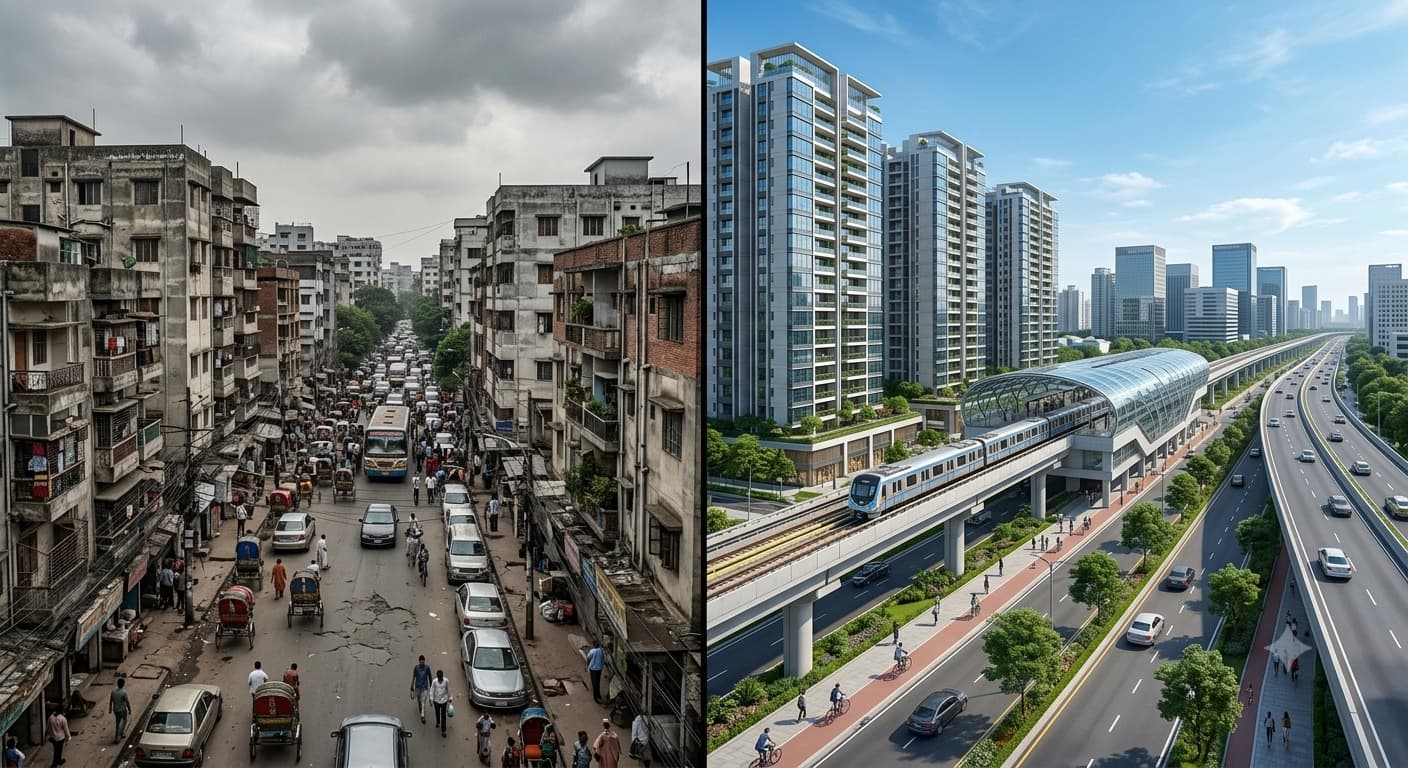
Not every situation calls for paying top rupee for metro station property appreciation. If the station is operational only on paper or under construction with no confirmed timeline, you are essentially betting your money on a promise. Similarly, if the area around the station lacks basic last-mile infrastructure, proper pavements, feeder autos, or safe lighting, then the convenience advantage shrinks considerably. A metro stop alone does not transform a neighbourhood.
The Investor vs End User Lens
For someone buying purely to rent out, real estate investment near metro lines India has historically shown stronger rental yields and faster tenant turnover. Renters, especially young professionals, prioritise commute convenience above almost everything else. For end users, the calculation is more personal. Does this metro impact on real estate translate into a lifestyle gain that your family will actually experience every day? If the answer is yes, the premium starts to feel reasonable.
What Buyers Often Underestimate
People tend to calculate the EMI difference on a higher-priced apartment but forget to subtract what they save monthly on fuel, cab rides, vehicle maintenance, and sheer commuting stress. Over a five-year period, those savings can be meaningful.
Summary
Paying a premium for metro connectivity is not automatically wise or wasteful. It depends on whether the line is operational, whether last-mile infrastructure exists, and whether the commute benefit matches your daily life. Across Indian cities, metro connected homes India have shown consistent property value near metro appreciation and stronger rental demand. For most working families and investors, a verified metro proximity advantage remains one of the most defensible reasons to spend a little more when buying a home.