
Commercial Hotspots for Startups and SMEs: Where Growing Businesses Are Setting Up Shop
Summary
India's startups and SMEs are increasingly adopting flexible workspaces over traditional offices. This guide highlights key commercial hotspots across major metros like Bengaluru and Hyderabad, alongside emerging Tier 2 cities, showcasing where growing businesses are strategically setting up shop to align with talent, clients, and capital.

The Office Is Back, But Not the Way You Remember
The days of a ten-person startup signing a long-term lease on a traditional office are largely over. That model required capital most early-stage companies simply do not have, locked them into locations before they knew where their talent was coming from, and saddled founders with facility management headaches that had nothing to do with building a business.
What replaced it has quietly reshaped commercial real estate across India. Flexible workspaces, co-working hubs, and purpose-designed SME commercial zones have become the dominant way that smaller businesses consume office space. And the cities that understood this shift early are now pulling the most business activity.
Why Flexible Space Won the Argument
The numbers settled this debate some time ago. Flex workspaces now account for close to 20 percent of total office leasing in India's major cities. That is not a fringe preference. That is a structural shift in how businesses of all sizes think about occupying space.
For a startup trying to conserve runway, a co-working membership eliminates the upfront deposit, skips the interior fit-out cost, and provides a professional address on day one. For an SME that has outgrown its founder's spare room but is not yet ready to commit to 5,000 square feet, a managed office on a six-month term is exactly the right product. The market built what growing businesses needed, and growing businesses responded.
Bengaluru: The Benchmark for Startup Commercial Space
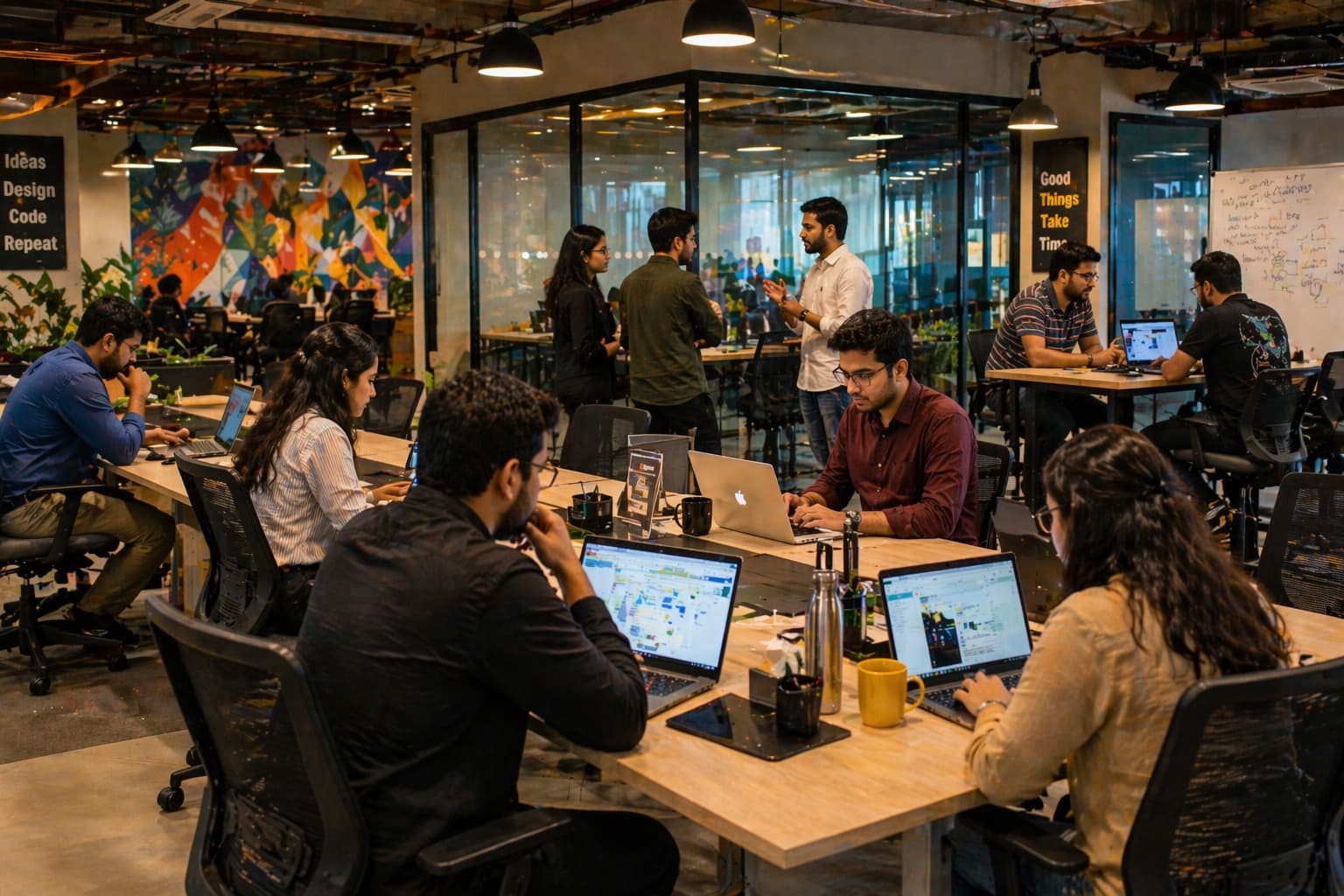
If there is one city that defines the commercial hotspot conversation for startups, it is Bengaluru. Whitefield, Outer Ring Road, and HSR Layout carry a density of co-working operators, incubators, and managed office campuses that no other Indian city comes close to matching.
The IT and startup ecosystem here feeds itself. Talent is concentrated in these zones, which means investors, customers, and partners are all within reach. Property prices have risen sharply, with areas like Sarjapur Road and Electronic City seeing close to 79 percent appreciation over the last few years. But rental values for flex seats have kept pace without making co-working unaffordable for seed-stage companies because the per-seat model distributes costs across dozens of tenants in a single floor plate.
Hyderabad: The Practical Alternative
Here is the thing about Hyderabad that not enough people say plainly. It offers almost everything Bengaluru does for commercial space, but at a price that gives startups and SMEs genuine breathing room.
Gachibowli and HITEC City are legitimate global business addresses. The city hosts GCCs for some of the world's largest technology and financial services companies, which means the surrounding commercial ecosystem is built to a high standard. Average commercial rents in Hyderabad run meaningfully below Bengaluru, which is an operational advantage that compounds over a lease term. For SMEs in fintech, pharma tech, or healthcare that need proximity to enterprise clients without metro-level overheads, Hyderabad makes a compelling case.
Pune and Gurugram: Different Strengths, Same Outcome
Pune's commercial hotspots in Hinjewadi, Baner, and Kharadi serve a specific kind of business well. IT services companies, SaaS startups, and engineering-first product teams all cluster here because the talent pipeline from Pune's engineering colleges feeds directly into these zones. A forthcoming metro extension through Hinjewadi will cut commute times considerably, which historically tends to trigger a rental appreciation cycle in the surrounding area.
Gurugram operates at a different pitch. Cyber City, Golf Course Road, and Sohna Road serve companies that need proximity to Delhi's decision-makers, enterprise clients, and international travel connections. For consulting firms, legal tech startups, and SMEs servicing corporate accounts in Delhi-NCR, being based in Gurugram is less a lifestyle choice and more a business necessity.
Tier 2 Cities Are Building Their Own Story
The conversation has expanded well beyond the traditional metros. Lucknow, Indore, Jaipur, and Nagpur are all seeing meaningful growth in co-working supply and SME commercial demand. These cities added roughly 187,000 IT jobs in 2024 alone, and that employment base needs somewhere to sit.
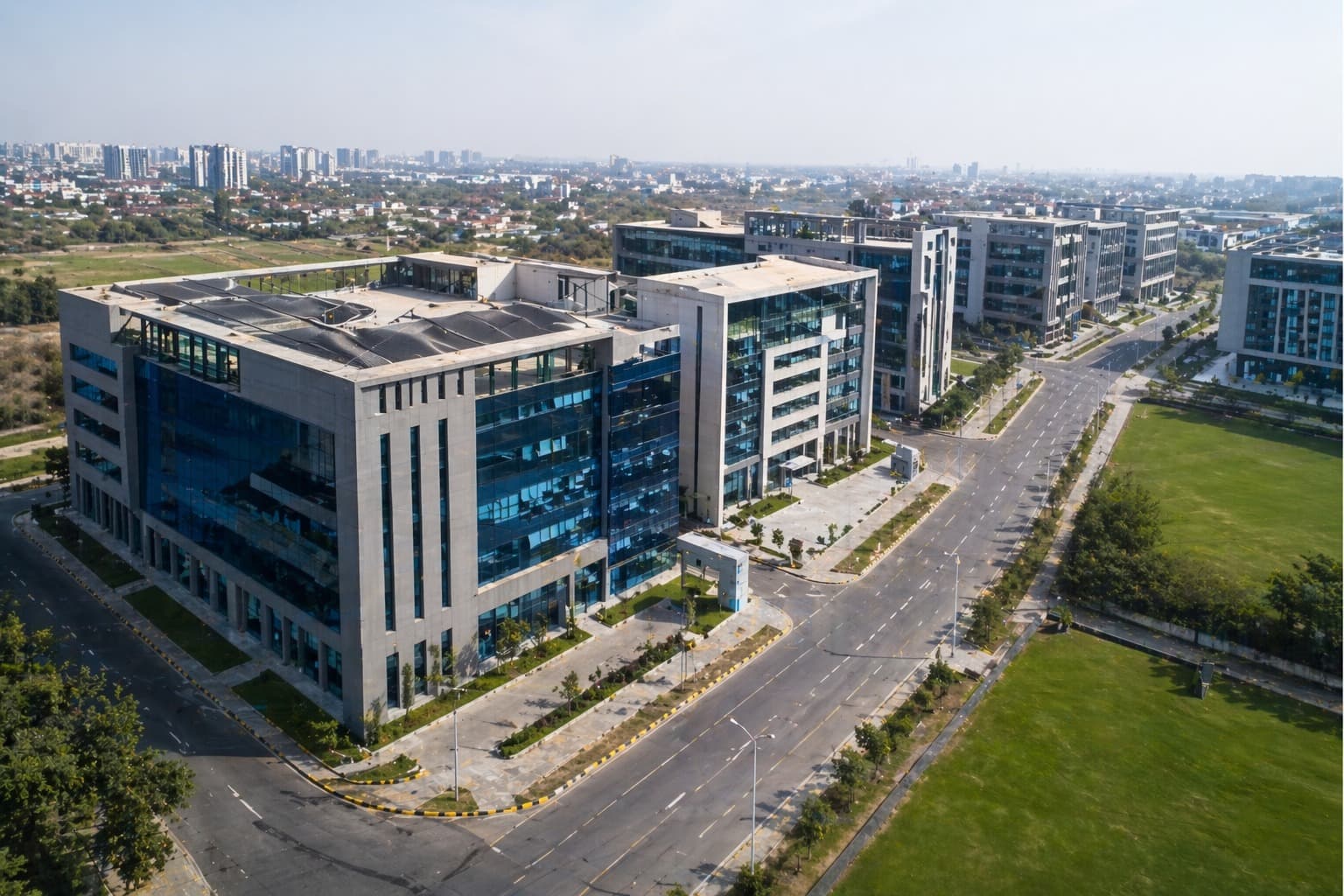
Indore has been particularly consistent, recording 8 to 12 percent annual property appreciation over the last five years while remaining affordable enough for a first-time SME investor. Nagpur's strategic location inside the Delhi-Mumbai Industrial Corridor positions it well for logistics-linked businesses that need affordable commercial space with road and rail connectivity.
Land costs in these cities are 50 to 70 percent below comparable locations in the metros. For startups willing to think carefully about where they plant their operational roots, that gap represents genuine long-term savings.
The Retail Side of the Commercial Hotspot Story
Startups and SMEs are not just office tenants. Many of them are retailers, experience brands, and service businesses that need consumer-facing commercial space. Mumbai's Bandra, Andheri, and Lower Parel remain premium retail hotspots with strong footfall. Chennai's Velachery and Anna Nagar serve a growing middle-class consumer base consistently. Kolkata's Salt Lake and New Town are absorbing organised retail demand from a population with rising disposable incomes.
Summary
The best commercial hotspots for startups and SMEs in India in 2026 are not necessarily the most expensive ones. Bengaluru and Gurugram lead on ecosystem depth. Hyderabad and Pune offer a better cost-to-quality balance. And tier 2 cities like Indore, Nagpur, and Lucknow are building co-working and SME office infrastructure fast enough to become credible alternatives. The smartest growing businesses are matching their commercial address to where their talent, clients, and capital actually live, not where convention tells them to be.