Introduction
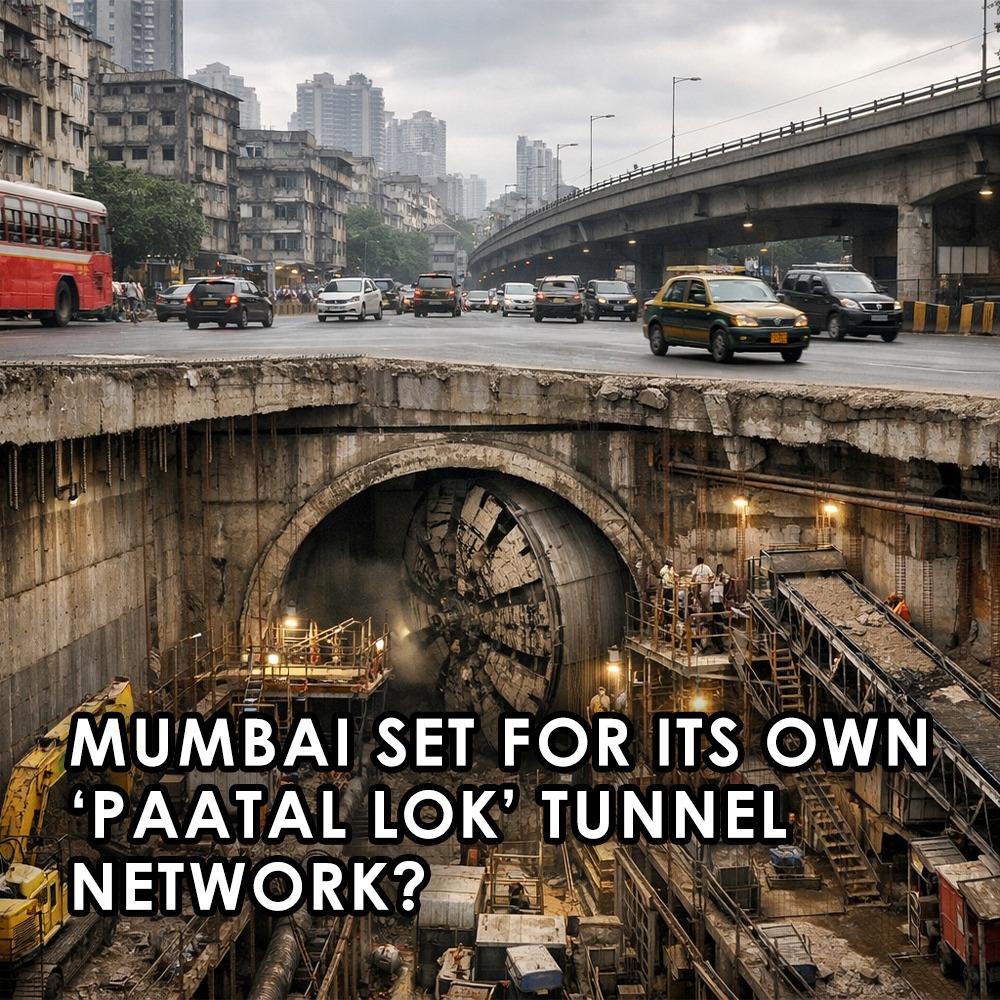
Mumbai has long struggled with traffic congestion due to limited road space and high population density. As vehicle numbers rise each year, traditional road expansion has become increasingly difficult. To address this challenge, the Maharashtra government has announced an ambitious plan focused on underground connectivity. The mumbai underground tunnel network aims to act as a parallel road system beneath the city. This project, described as a transformative mumbai traffic solution, is expected to significantly improve travel speed and reduce pressure on existing roads.
What Is the ‘Paatal Lok’ Tunnel Concept
The proposed underground system has been informally referred to as the paatal lok tunnel network. The term highlights the idea of a hidden road grid running below Mumbai’s surface. According to Devendra Fadnavis, this network will function as a shadow system to existing arterial roads. Instead of relying only on surface-level expansion, the tunnels will allow traffic to move seamlessly underground, creating an entirely new layer of urban mobility.
Estimated Cost and Project Phases
The mumbai tunnel project is estimated to cost around ₹1.05 lakh crore, making it one of India’s largest urban infrastructure investments. The project will be executed in three phases. The first phase includes a 16-kilometre tunnel connecting Worli to the airport. The second phase focuses on a 10-kilometre East-West corridor. The third phase includes a 44-kilometre North-South corridor, forming the backbone of the mumbai underground transport infrastructure project.
How the Tunnel Network Will Ease Traffic
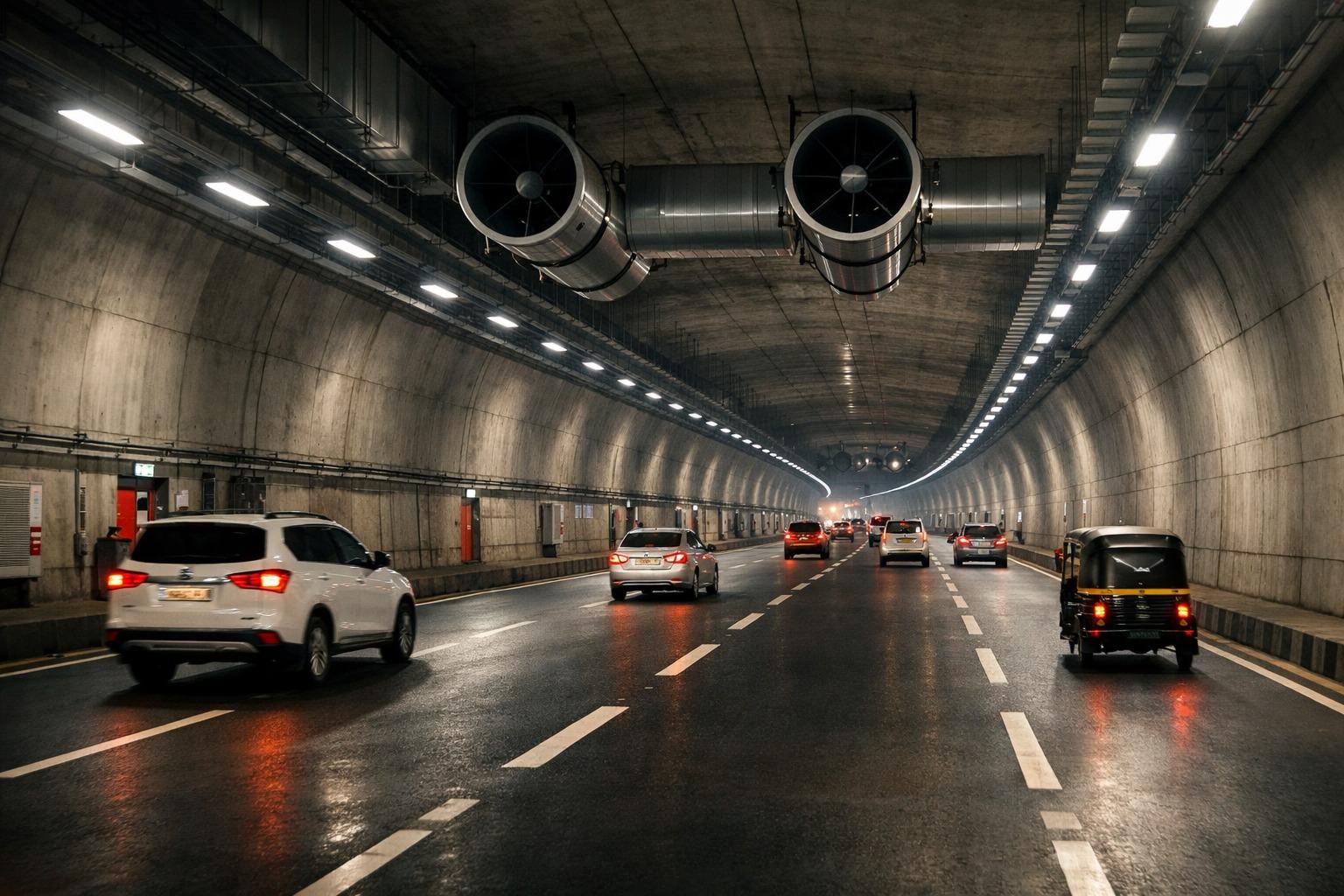
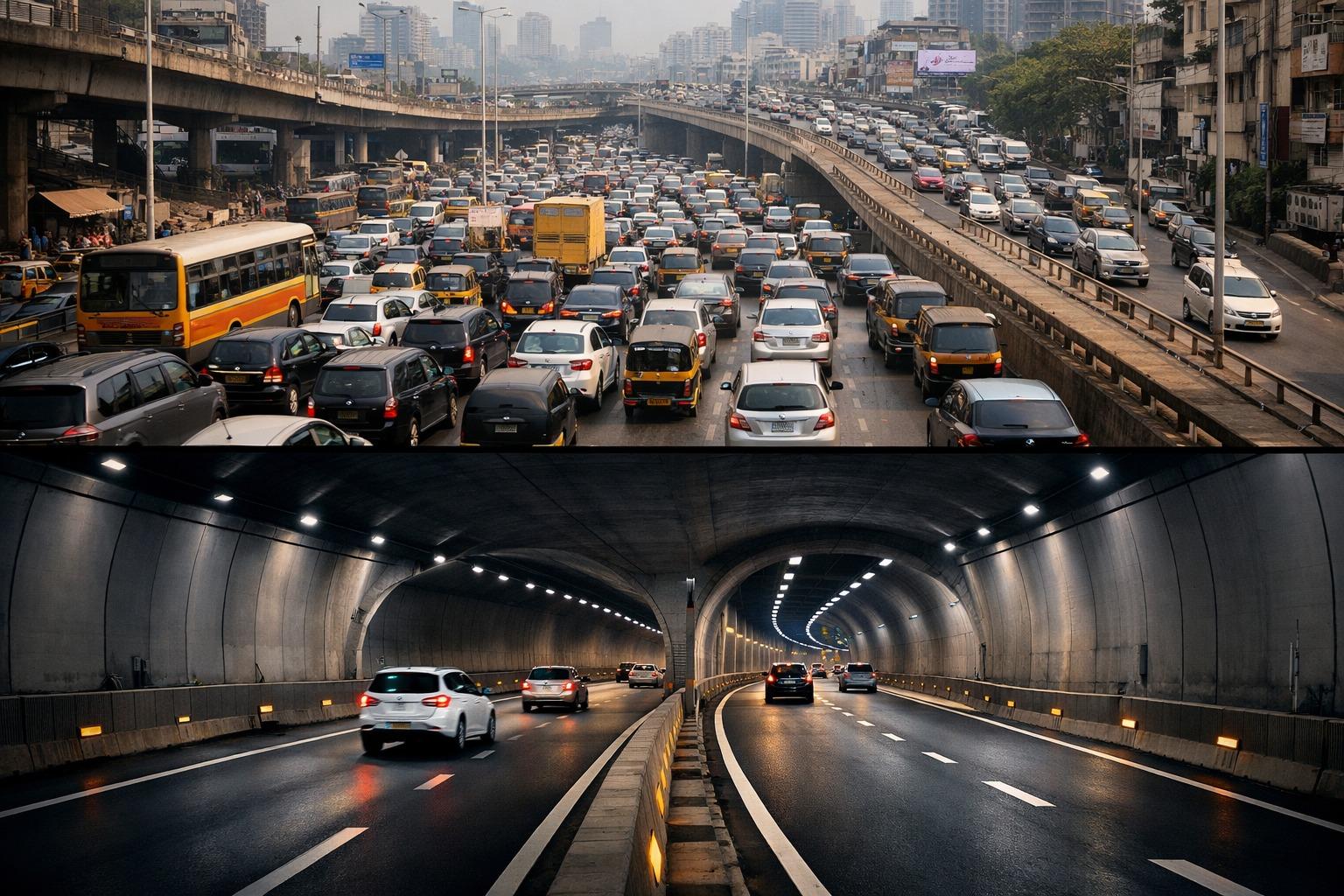
Mumbai’s surface roads are heavily congested, especially during peak hours. The new underground tunnels Mumbai plan is designed to divert long-distance and through traffic away from surface roads. This will reduce bottlenecks and improve average travel speeds. The underground routes are expected to support speeds of up to 80 kilometres per hour. By acting as a mumbai traffic congestion solution, the tunnel network will improve daily commuting for both private and commercial vehicles.
Parallel Roads to Key Highways
A major feature of the plan is the creation of parallel underground roads to existing highways. The coastal road from south Mumbai to Bhayandar will serve as a barrier-free alternative to the Western Express Highway. Nearly sixty percent of Mumbai’s traffic currently depends on this route. The underground system will provide relief by offering faster and uninterrupted travel options, strengthening the mumbai road infrastructure project.
East-West and North-South Connectivity
Several tunnel corridors are already under construction to improve east-west movement. Projects such as the Thane-Borivali and Mulund-Goregaon tunnels aim to reduce travel time between key suburban zones. The Worli-Shivdi connector will enable smooth movement from the Atal Setu to the Bandra-Worli Sea Link. These links form a vital part of the underground road tunnels to ease Mumbai traffic strategy.
Airport and Business District Access
Improving access to major commercial and transport hubs is another priority. A proposed tunnel from Bandra to the Bandra Kurla Complex will enhance connectivity to the domestic airport. The government estimates that travel from south Mumbai to the airport could be reduced to just twenty minutes. Additionally, a tunnel connecting the Atal Setu to Girgaon Chowpatty via the Eastern Express Highway is expected to reduce existing traffic jams significantly.
Integration With Metro and Public Transport
The underground tunnel network will complement Mumbai’s expanding Metro corridors. While Metro systems focus on public transport, the tunnel network targets road traffic movement. Together, they will create a multi-modal transport ecosystem. This integrated approach strengthens mumbai infrastructure planning by balancing private vehicle usage with mass transit expansion.
Environmental and Urban Benefits
Shifting traffic underground offers environmental advantages. Reduced surface congestion can lower fuel consumption and emissions. Fewer idling vehicles will improve air quality in densely populated areas. The tunnels also minimise the need for large-scale land acquisition, preserving urban spaces. These benefits support sustainable goals within maharashtra infrastructure news initiatives.
Broader Impact on Urban Mobility
Once completed, the tunnel network is expected to reshape how people move across Mumbai. Faster travel times will improve productivity and quality of life. Logistics and emergency services will benefit from predictable routes. The devendra fadnavis mumbai tunnel network plan reflects a long-term vision for a city where growth is supported by smart infrastructure rather than surface expansion alone.
Implementation Timeline and Challenges
While the vision is ambitious, execution will require careful planning. Geological conditions, coordination between agencies, and phased construction will be critical. The government has indicated that some major tunnel links will be completed within three years. Managing disruption during construction will be a key focus to ensure public support for the mumbai set for underground tunnel network initiative.
Conclusion
Mumbai’s underground tunnel project represents a bold step toward solving chronic traffic issues. By creating a parallel road system beneath the city, the government aims to unlock faster, safer, and more efficient mobility. If executed as planned, this project could redefine urban transport in India’s financial capital.
Summary
Mumbai is preparing to build a massive underground tunnel network to ease traffic congestion and improve mobility. The ₹1.05 lakh crore project will be developed in phases and act as a parallel road system beneath the city. Designed to complement Metro expansion, the tunnels will improve east-west and north-south connectivity, reduce travel time, and lower congestion on surface roads. The initiative reflects a long-term infrastructure vision aimed at creating faster, cleaner, and more efficient urban movement.