
Why the Indian Office Has Stopped Looking Like an Office
Summary
Indian office spaces have fundamentally transformed post-2020, now dominated by flexible, managed solutions. This shift, driven by hybrid work, cost efficiency, and enterprise demand, has made agility the core real estate strategy across the country.

Introduction
Walk into a corporate office today and it barely resembles what existed before 2020. Fixed cubicles have given way to shared floors, long leases have given way to month to month arrangements, and the whole idea of what office space India even means has quietly been rewritten. The pandemic gets credit for starting this, but the changes that followed have gone far beyond a temporary adjustment. What began as a survival tactic has become a permanent operating philosophy for how Indian businesses think about real estate.
The Five Year Reset Nobody Fully Predicted
Back in 2020, flexible workspace demand was a rounding error compared to traditional leasing. That has changed dramatically. Demand for flex space has grown close to sixfold since then, and what started as a niche product for startups now sits firmly in the plans of the largest multinational occupiers operating in the country. Nobody in 2020 was forecasting this scale of shift, and yet here we are.
From Hot Desks to Enterprise Grade Campuses
The earliest flex offices were little more than glorified business centres with shared cabins. Then came the coworking wave, all bean bags and open floors aimed at freelancers and small teams. What exists now is a different animal entirely. Managed office solutions dominate the conversation, offering enterprises fully customised, branded spaces with none of the capital burden of building it themselves.
Hybrid Work Rewired Real Estate Priorities
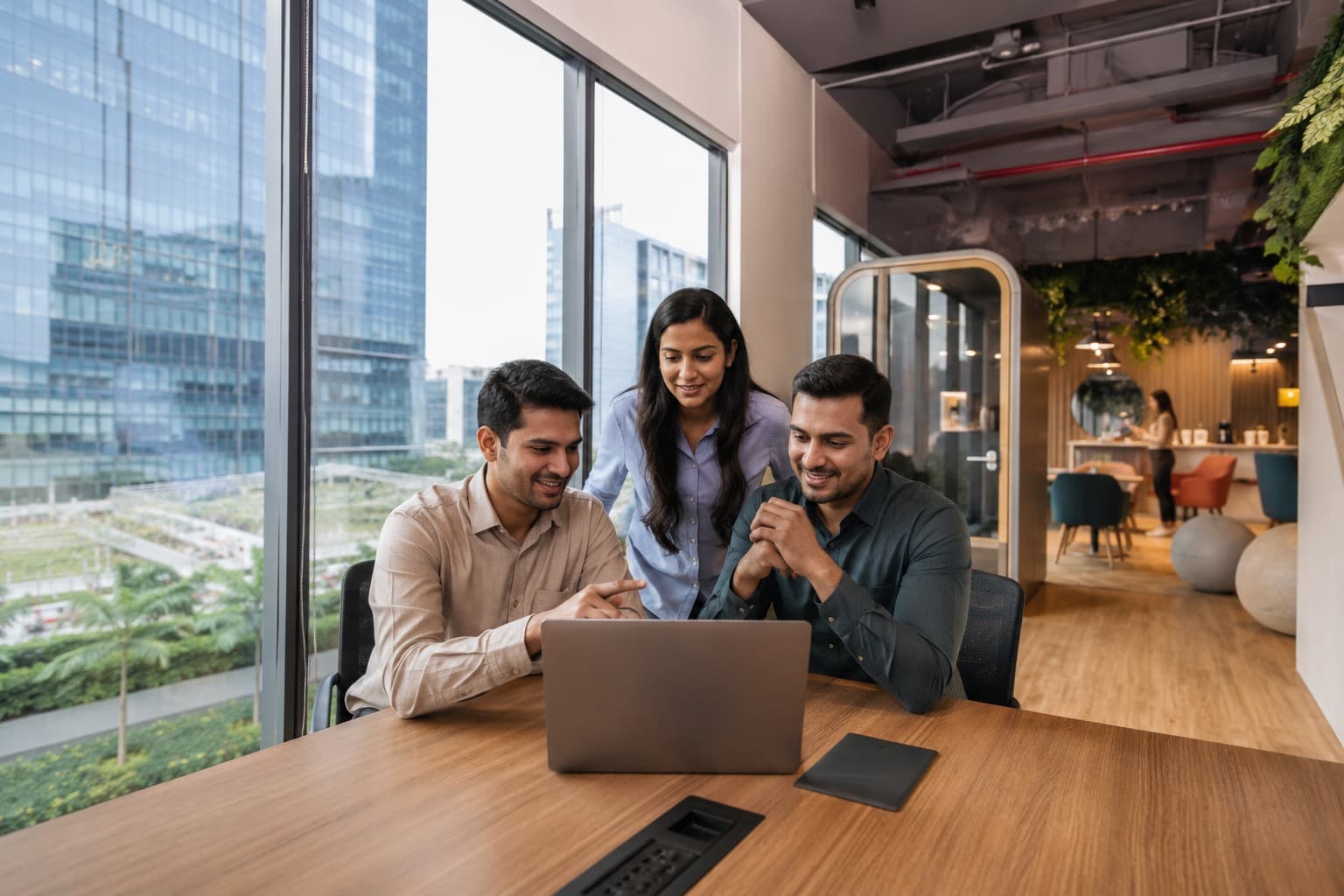
Companies are no longer asking how much space they need for every employee on the roster. They're asking how much space they need for however many people actually show up on a given day. That single question has reshaped hybrid work office design completely, pushing occupiers toward shorter commitments and away from rigid five to nine year leases that assumed everyone would be at their desk daily.
International Firms Are the Ones Driving This, Not Startups
Here's a detail that surprises a lot of people outside the industry. It isn't scrappy startups leading the flex space boom anymore. International enterprises and Global Capability Centres now account for the bulk of flex seat absorption, using these arrangements to enter India quickly without locking themselves into decade long commitments before they even know their final headcount.
Bengaluru Still Leads, But the Map Is Widening
Bengaluru remains the undisputed capital of India's flexible workspace story, holding close to a third of the national inventory. But Delhi NCR, Pune, and Hyderabad have all built serious scale of their own, and increasingly, Tier 2 cities like Jaipur and Kochi are seeing their own quiet version of this trend, largely because businesses are chasing talent that no longer wants to relocate to a metro.
The Cost Argument Keeps Getting Stronger
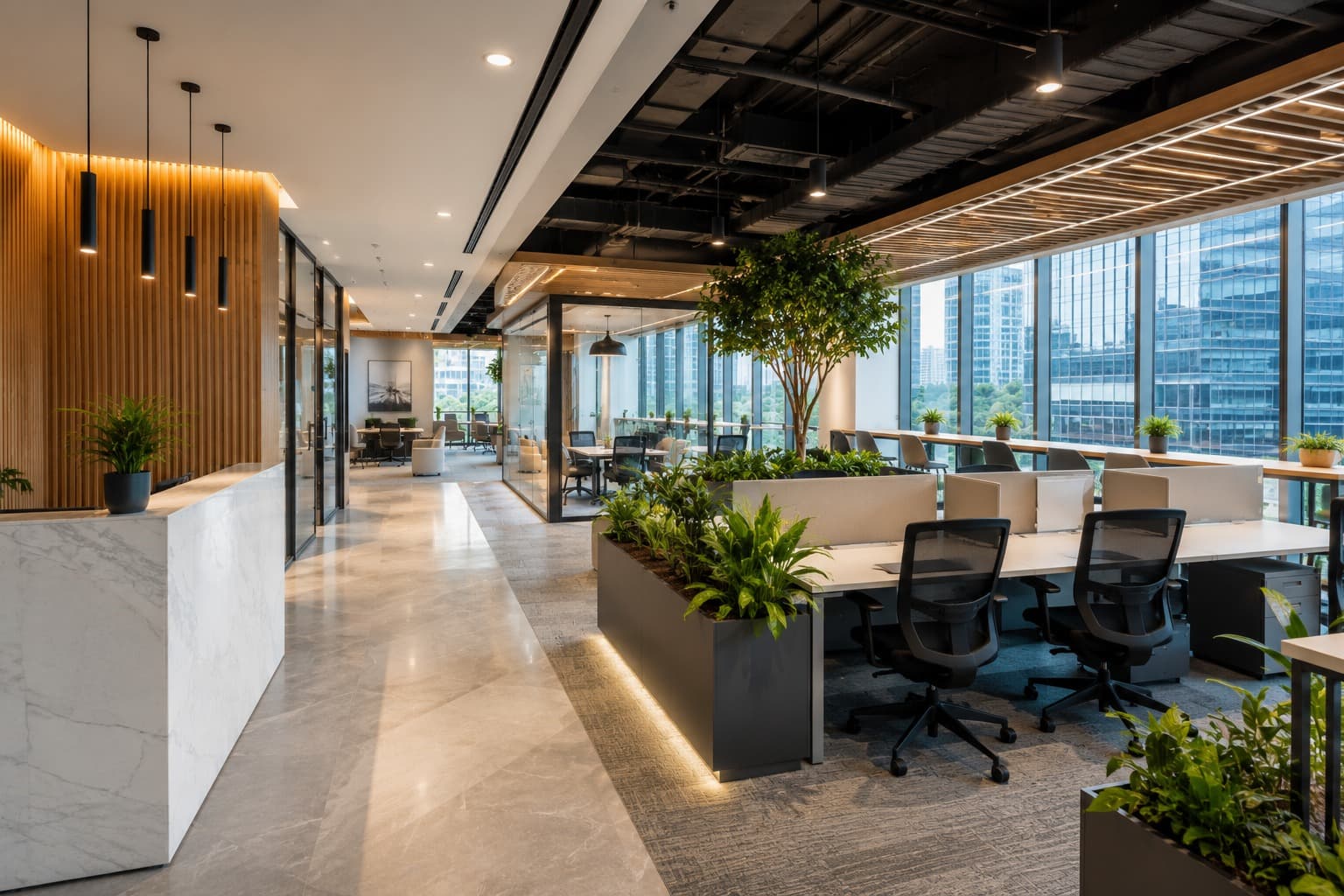
Fit out expenses in Indian metros run at a fraction of what comparable Western markets charge, and that gap only became more attractive once companies started counting every rupee post pandemic. Businesses save meaningfully on real estate costs per employee when they choose managed or flexible arrangements over building out a traditional office from scratch, and that arithmetic is hard to argue against once finance teams get involved. Add the shorter security deposit cycles flex arrangements demand compared to a conventional lease, and the appeal compounds further for anyone watching cash flow closely.
Where This Leaves Landlords and Developers
Property owners who once measured success purely in square footage leased are now competing on service, technology integration, and how quickly they can hand over a functioning office. Grade A office space with strong amenities is winning the flight to quality that has emerged across this segment, and developers slow to adapt are increasingly being left behind by occupiers who have far more choice than they did five years ago.
Summary
The story of commercial real estate in India since 2020 is really the story of flexibility winning over permanence. Flexible office space India demand has grown at a pace nobody anticipated, hybrid work office design has replaced rigid floor plans, and managed office solutions now sit at the centre of how enterprises plan their footprint. Office leasing trends point toward one clear direction: agility has become the whole strategy, not just a temporary workaround.