
Why Owning a Shop Near a Metro Station Is One of the Smartest Moves in Indian Real Estate Right Now
Summary
Investing in a shop near an Indian metro station offers guaranteed daily footfall, superior rental yields, and strong capital appreciation. It's a foundational commercial asset, making it a smart move for both investors and entrepreneurs in urban real estate.

Introduction
Location has always been the first rule of commercial real estate. But in Indian cities today, location without connectivity is becoming increasingly irrelevant. A shop that sits three kilometres from the nearest metro station and a shop that sits forty metres from one are no longer in the same business category, even if they are in the same city. The gap between the two is widening every year. Retail spaces near metro stations have emerged as one of the most dependable commercial assets in India's urban property market. And the reasons go far beyond just footfall.
Daily Guaranteed Footfall Is the Foundation
A metro station is essentially a daily crowd generator. Tens of thousands of commuters pass through every operational station across cities like Delhi, Mumbai, Bengaluru, Hyderabad, and Chennai. A shop placed within that flow does not have to create its own audience. The audience arrives on schedule, seven days a week, regardless of season or economic cycle. This is the core advantage that separates metro retail investment from almost every other commercial format. Traditional high-street shops depend on weekend rushes, festive seasons, and marketing spend. Metro-adjacent shops run on daily necessity.
What Happens to Rental Yields
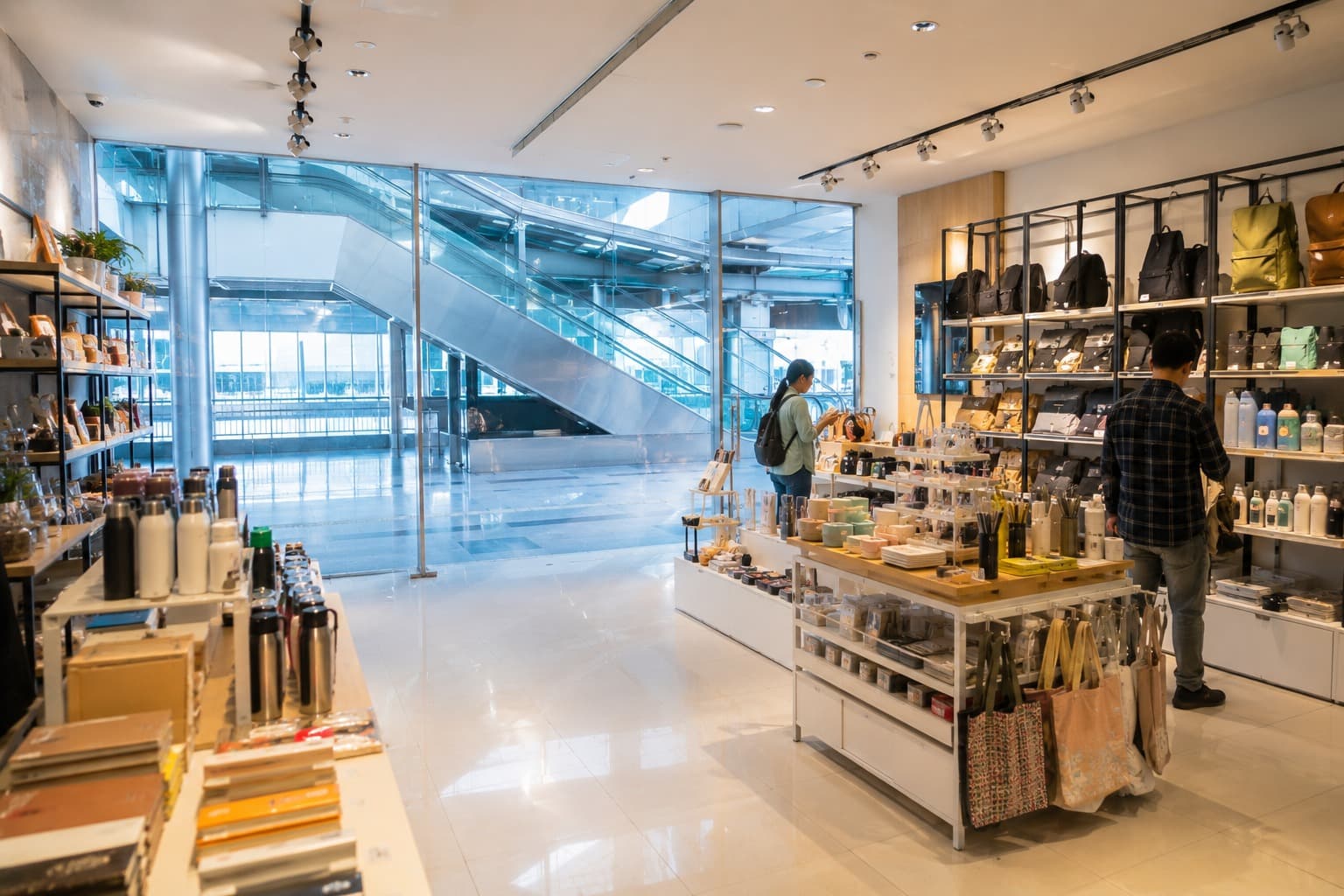
Shops located near operational metro stations consistently generate higher rental returns compared to similar commercial spaces without transit access. Across major Indian metros, the rental premium for well-positioned shops near metro stations typically ranges from 15 to 30 percent above comparable non-metro areas. For investors, this translates directly into stronger monthly income and better leasing stability. Tenants are willing to pay more for high-footfall locations, and vacancy cycles are shorter. A shop near a metro rarely sits empty for long.
Capital Appreciation Follows the Rail Line
Beyond monthly rentals, commercial property near metro station appreciation has been one of the more reliable trends in Indian real estate over the last decade. As new metro corridors are announced and construction begins, property values in adjacent areas start moving upward almost immediately. By the time a station becomes operational, early investors have typically already seen significant gains. Cities like Pune, Ahmedabad, and Navi Mumbai are currently in the construction phase of their respective metro expansions. Metro retail space appreciation in these corridors is already being priced in by developers and investors who understand the pattern.
The Business Case Is Not Just for Investors
Entrepreneurs and small business owners often overlook metro retail investment because entry prices seem higher than non-metro locations. That is a short-term calculation that usually turns out to be costly. A food stall, pharmacy, phone accessories outlet, or travel services counter placed near a metro exit needs minimal marketing to survive. The station does the marketing every day. For F&B businesses in particular, metro-adjacent locations offer a captive audience with consistent purchasing behaviour. Working professionals who commute are predictable buyers of quick breakfast options, packaged snacks, and daily necessities.
Choosing the Right Station Matters
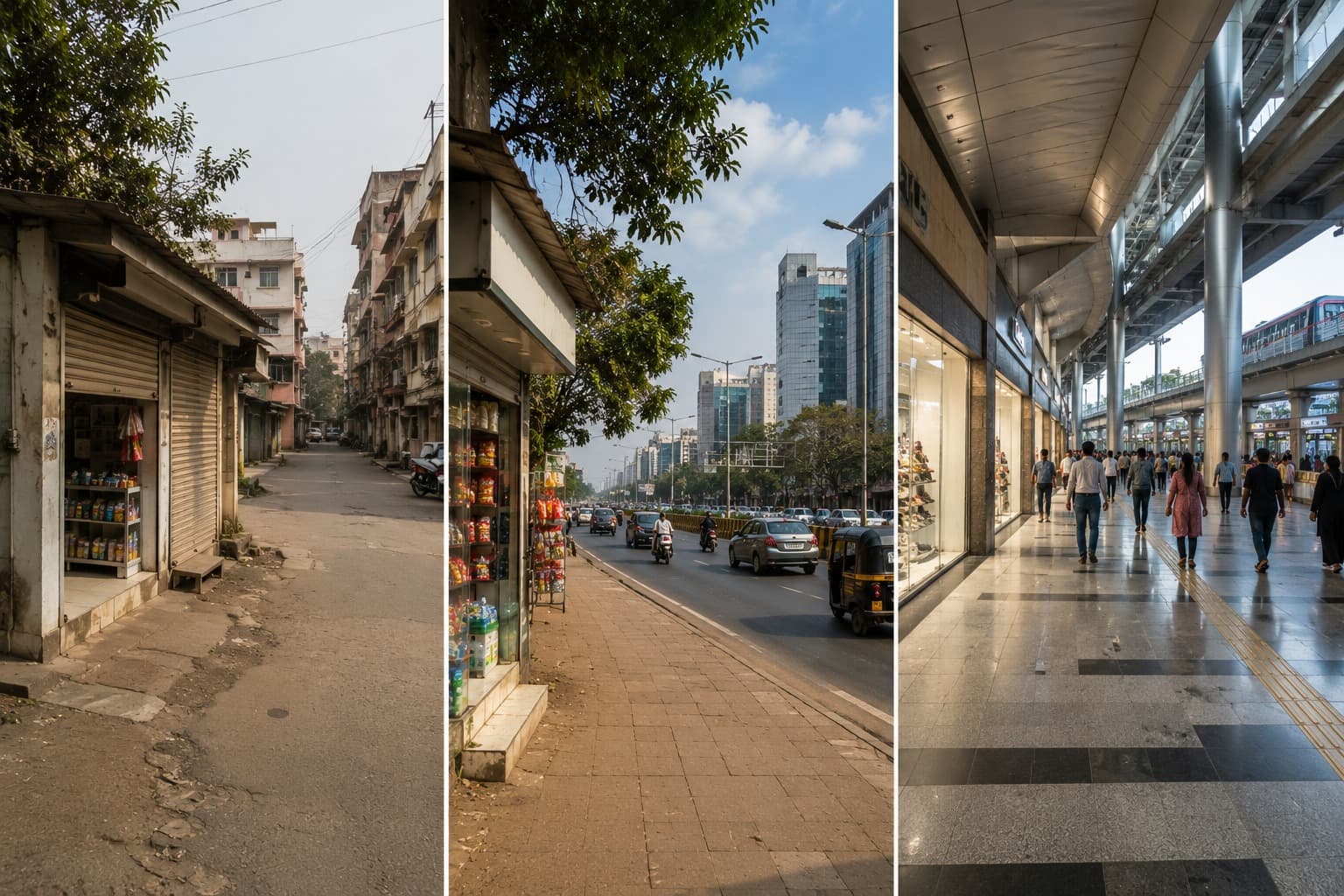
Not every station is equal. How metro connectivity increases footfall for retail shops depends significantly on whether the station is a terminal point, an interchange, or a mid-route stop. Interchange stations that connect two or more lines generate dramatically higher crowds and therefore stronger commercial value. Investors evaluating retail space near metro should prioritise interchange and terminal locations over quieter mid-route stops.
Summary
Benefits of owning a shop near a metro station in India include guaranteed daily footfall, premium rental yields, faster vacancy turnaround, and consistent long-term capital appreciation. As Indian cities accelerate their metro expansion programmes through 2026 and beyond, retail spaces near metro stations are becoming foundational commercial assets. Whether you are an investor looking for stable returns or an entrepreneur choosing your first business location, the metro corridor is one of the most defensible bets in urban Indian real estate today.