
Why Certain Homes Feel Like a Crore Even When They Are Not
Summary
This blog reveals how simple, affordable design choices make a home feel luxurious, regardless of its actual cost. It highlights key elements like defined entrances, layered lighting, neutral colors, minimal clutter, and smart material placement that transform perception, especially for Indian homebuyers.

Introduction
Walk into two homes with the same carpet area, same builder grade, and roughly the same location. One of them feels like you just stepped into a five-star lobby. The other feels like a government quarter. The price of both? Nearly identical. So what exactly is going on?
This is something that confuses a lot of Indian homebuyers, and honestly, most people never stop to think about it. The difference between an expensive looking home and an actually expensive one comes down to a handful of design decisions that cost almost nothing to get right.
It Starts at the Door
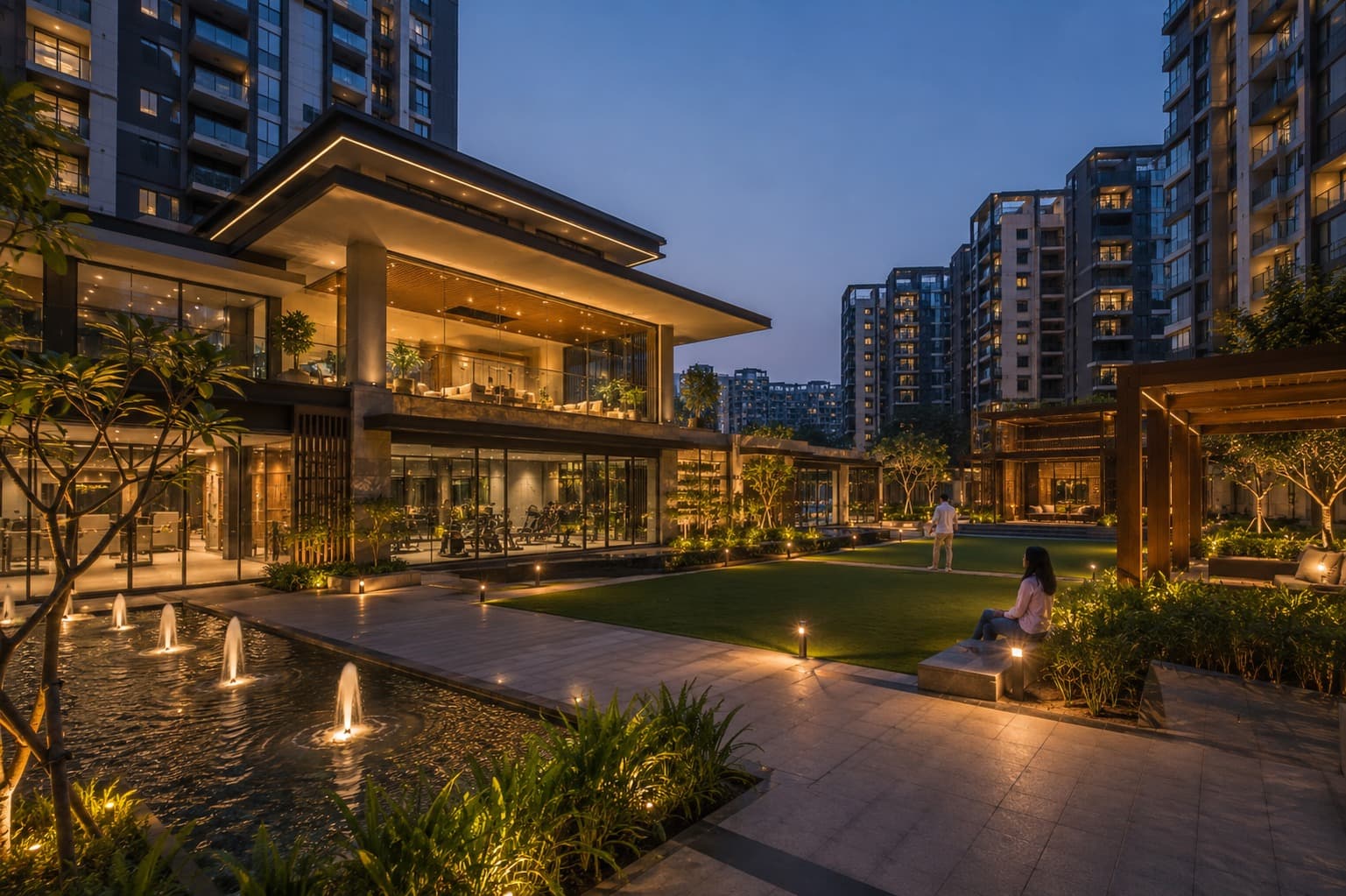
The entrance sets the entire mood of a home within the first three seconds. A clean, well-lit entry, even one that is just a two-foot corridor, tells your brain whether to relax or stay guarded. Homes that feel premium almost always have a defined entry point, even if it is just a shoe rack, a small mirror, and a wall lamp. That combination alone shifts perception more than any expensive sofa in the next room.
Ceiling Height and Lighting Are Doing Heavy Lifting
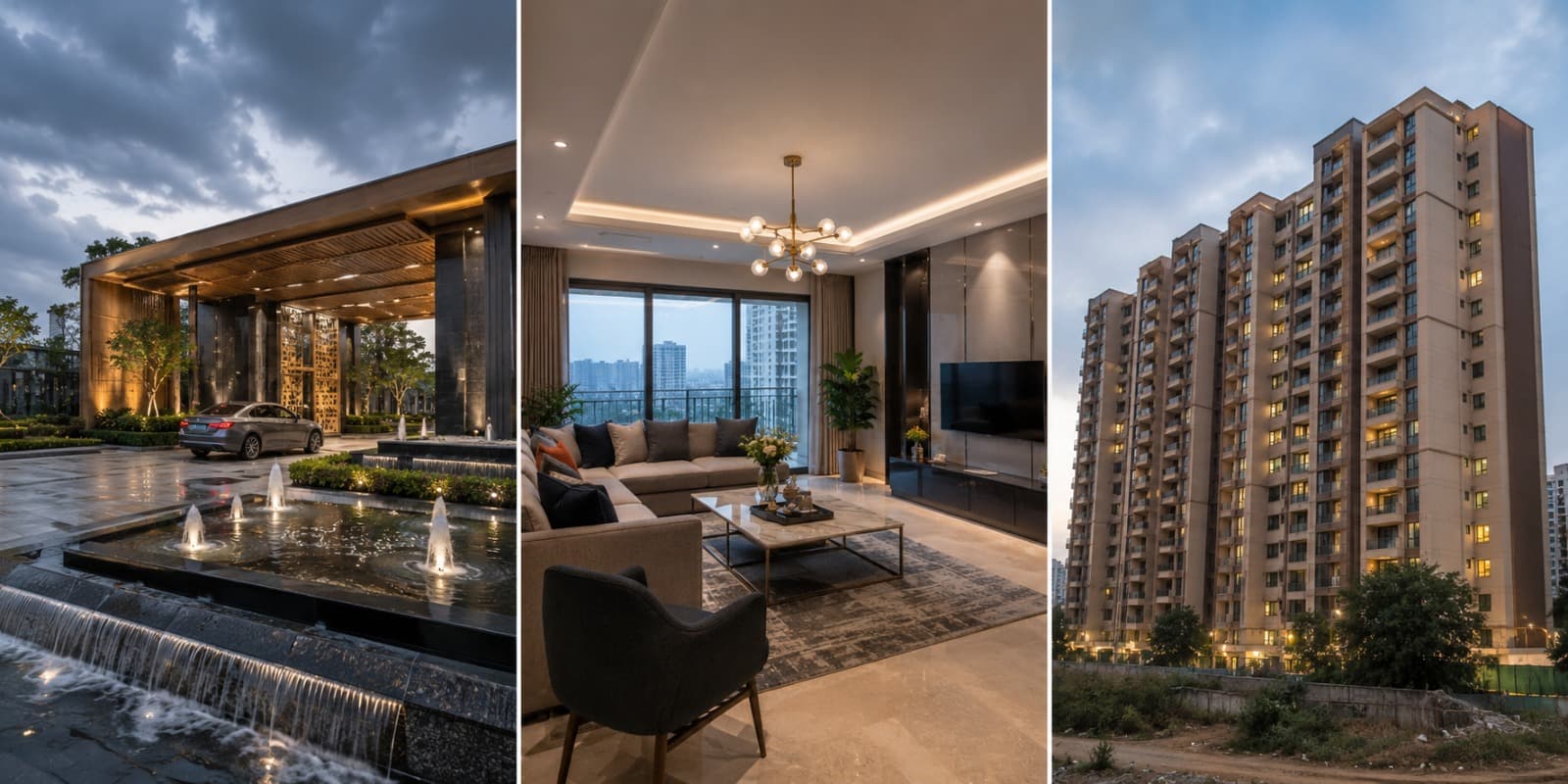
Most people blame furnishings for why a home looks cheap or costly. But ceiling height and lighting are the actual culprits. A home with 10-foot ceilings and warm, layered lighting will feel expensive even with mid-range furniture. A home with 8-foot ceilings and a single tubelight in the centre will feel cramped regardless of what the owner has spent on sofas.
How to make your home look luxurious without a major renovation? Start with the lights. Replace harsh white tube lights with warm-toned LEDs placed at different heights across the room. The change is dramatic. And it costs maybe a few thousand rupees.
The Colour Logic That Most People Miss
Affordable luxury home interiors consistently rely on neutral base colours with one deliberate accent. Homes that look chaotic and cheap often have five different wall colours fighting each other. Premium-feeling homes keep walls in off-white, warm grey, or muted earthy tones, then add depth through cushions, curtains, or a single accent wall.
Indian homes in particular tend to go bold too quickly. There is nothing wrong with colour. But there is a sequence to it, and most people skip the sequence.
Clutter Is the Single Biggest Destroyer of Luxury
You can put the most expensive furniture in a room and fill it with thirty decorative items, and it will still feel like a general store. Home interior design tips India often skip this part because it is uncomfortable to say: the average Indian home has too many things on display.
Homes that feel genuinely premium have breathing room. Surfaces are mostly clear. Décor is minimal and purposeful. A single sculpture on a shelf communicates more elegance than seven objects crowded together.
Material Perception Over Actual Material
Laminates that mimic wood grain, tiles that read like marble, printed fabric that resembles linen. None of these is expensive. But placed correctly, with good lighting and clean lines around them, these materials read as costly. What the eye actually responds to is texture contrast and visual consistency, not the material certificate.
Summary
Why some homes look expensive even when they aren't comes down to a few deliberate choices: entry definition, warm layered lighting, neutral colour strategy, controlled clutter, and material placement over material cost. Home interior design tips for Indian buyers are rarely about budget. They are about understanding how the human eye reads a space. Get these basics right and your home will feel like a luxury address, no matter what the registry says.