
What Vastu Says Must Leave Your Home for Good
Summary
Vastu Shastra reveals how certain home items can drain energy and hinder well-being. This guide identifies five common things to remove—like broken objects, clutter, or dying plants—to clear stagnation and invite positive flow into your living space for greater harmony.

The Energy Your Home Is Carrying
Most people attribute a difficult phase in life to external circumstances. A tough job market. Family pressure. Just an unlucky season. But Vastu Shastra raises a different question entirely: what if the home itself is contributing to the heaviness?
This ancient science of space and energy is not about superstition. It is about understanding how objects, placements, and arrangements within a home interact with the people living in it. Some things drain rather than support. The first step is knowing which ones.
Here are five things your home may genuinely need to lose.
Objects That Are Broken and Going Nowhere
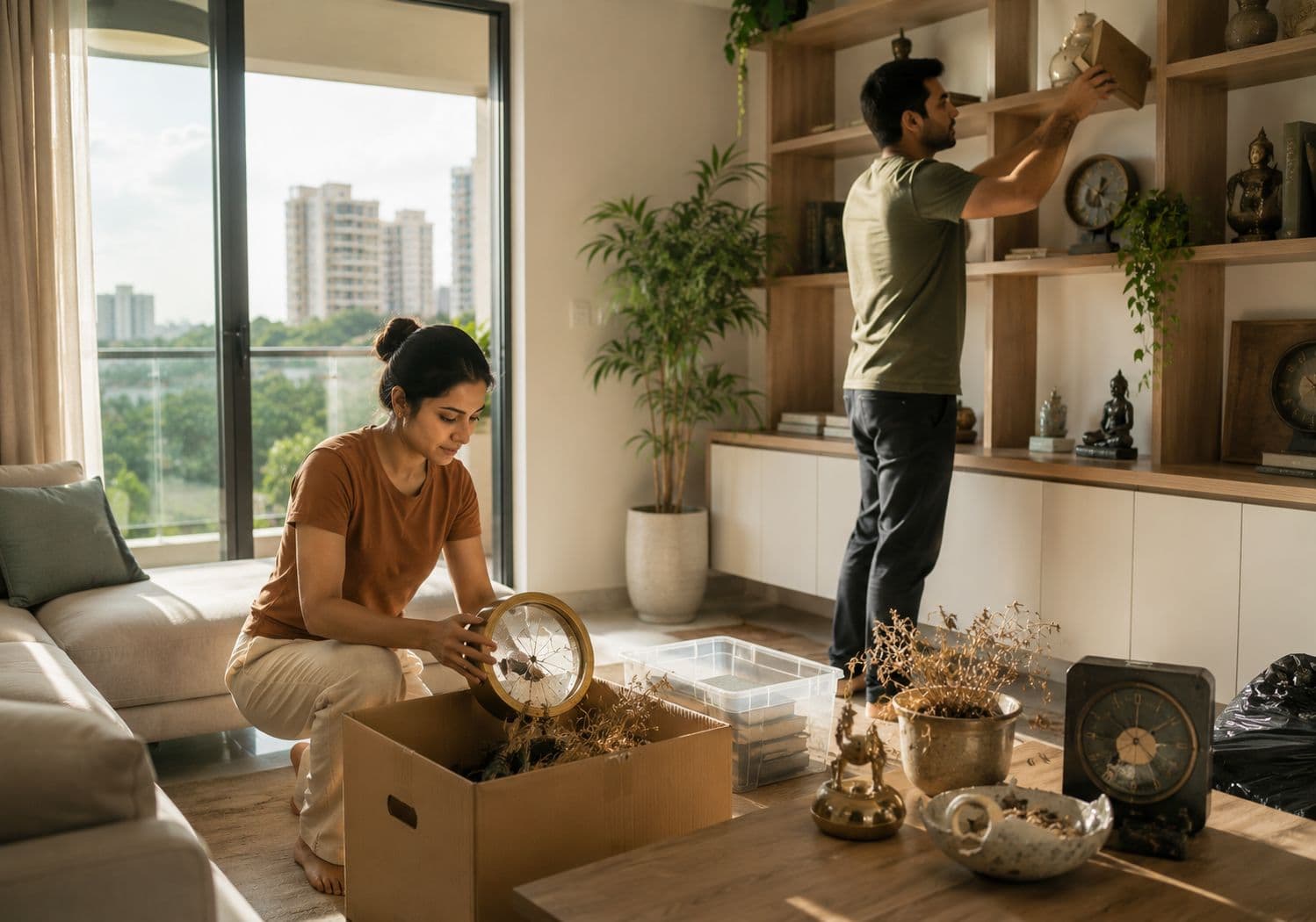
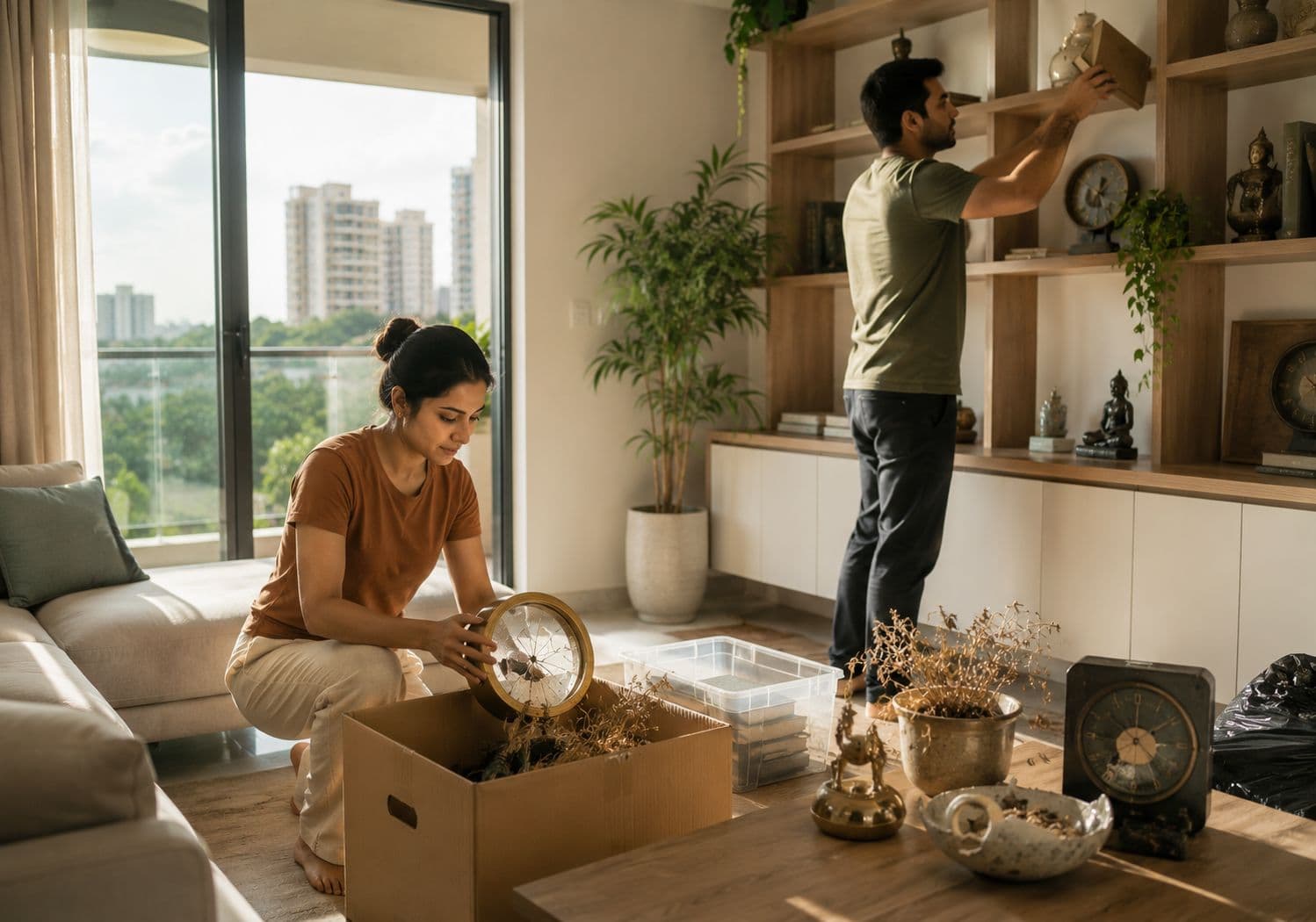
A stopped wall clock feels like a small thing to ignore. A cracked ceramic bowl pushed to the back of the kitchen shelf feels small too. So does a mirror with a thin fracture across one corner. These objects seem harmless. They are not.
Vastu treats non-functional objects as energy traps, particularly stopped clocks. A clock that no longer runs is considered a symbol of stagnation, specifically in financial movement and decision-making. All clocks should sit along the north or northeast wall and must stay operational at all times. One that cannot be repaired has no place remaining on the wall.
Cracked mirrors scatter rather than circulate energy through a room. The moment a fracture appears, the mirror should be replaced, not retained simply because most of it still looks usable.
The Clutter You Have Stopped Registering
Every home has developed a corner where unwanted things quietly accumulate. Boxes from an old move. Appliances waiting for a repair that keeps getting postponed. Clothes unworn for three years. The eye stops seeing them after a while. But Vastu points out that unseen does not mean inactive.
Unused objects create pockets of stagnant energy. They block the natural circulation that keeps a home feeling alive and clear. The northeast corner of the home deserves the most attention here. Vastu considers it the most auspicious and energetically active zone inside a house. Filling it with storage, heavy furniture, or accumulated junk suppresses exactly the energy this direction is meant to generate. Clearing it and keeping it open and light creates a shift that residents consistently notice.
Plants That Have Been Struggling Too Long
A live, healthy plant is one of the more effective natural tools in Vastu. It carries prana, purifies the air, and brings something genuinely living into the space around it. But a plant that is visibly failing does the reverse. Yellowed leaves, collapsed stems, and dry crumbling soil signal that a plant is now introducing the energy of decay into the room it occupies.
A dying plant should be removed without sentiment. The same applies to thorny indoor plants like cactus, which Vastu traditionally associates with interpersonal friction and conflict within the household. Tulsi near the northeast is considered deeply positive, but only when truly thriving with consistent water and light, not when neglected and left to struggle.
A Mirror Sitting in the Wrong Spot
Mirrors are energy-active in a way that most household objects simply are not. When placed thoughtfully, they circulate light and energy through a space effectively. When placed carelessly, they create problems that are genuinely difficult to trace back to their source.
Two placements deserve correction. A mirror positioned directly facing the main entrance reflects incoming positive energy back outside before it settles into the home. The front door in Vastu is the primary channel for good energy entering the house, and a mirror opposite it directly cancels that function. The second placement to fix is a mirror that reflects the sleeping body through the night. This is associated with restlessness, disturbed sleep, and a low-level disharmony that builds gradually within relationships. Both situations share the same simple fix. Move the mirror to face a side wall where it reflects neither the door nor the bed.
Artwork That Pulls the Room Down
Wall art tends to be chosen for visual appeal rather than for what it actually depicts. Vastu pays close attention to the emotional content of images because it understands how deeply the visual environment shapes daily mood.
Paintings showing grief, stormy scenes, solitary figures, or conflict create a quiet but consistent downward pull on the emotional atmosphere of the home. Photographs of those who have passed away are better kept in a personal or devotional space rather than displayed where the family gathers for meals and conversation every day. In their place, images of open landscapes, blooming trees, rising sun, and joyful moments do something measurably different for any room.
A Simple Truth Worth Sitting With
None of these changes require money or professional intervention. They require only the honesty to look at what is actually inside the home and the willingness to let go of what stopped serving a purpose. The environment shapes the people living in it far more quietly and consistently than most of us have been taught to acknowledge.