
What to Do When Your Landlord Doesn't Return Your Security Deposit: A Tenant's Guide
Summary
Frustrated your landlord isn't returning your security deposit? This guide outlines a step-by-step approach, from documenting the property condition to legal action, ensuring you recover what's rightfully yours. Understand your tenant rights in India!

Introduction
It is one of the most frustrating situations a tenant can find themselves in. You have vacated the property cleanly, returned the keys, settled all dues, and then... silence. Or worse, a list of deductions that feel completely made up.
Security deposit refund India disputes are genuinely common. Most tenants do not know their rights clearly enough to push back effectively, and many landlords count on exactly that. But there is a clear, structured path you can follow to get your money back, and it does not always have to end in a courtroom.
First, Understand What the Law Actually Says
There is no single central law in India that governs security deposit India timelines uniformly. Different states have their own Rent Control Acts and tenancy regulations. However, under the Model Tenancy Act 2021, which several states have adopted or are in the process of adopting, a landlord is required to return the security deposit within one month of the tenant vacating the premises, after accounting for any legitimate deductions.
Even in states that have not adopted the Model Tenancy Act, your rental agreement is a legally binding document. If it specifies a refund timeline, that clause is enforceable. If it does not specify one, courts generally apply a reasonableness standard, and most adjudicators consider one to two months a fair window.
Step One: Document Everything Before You Leave
The single most important thing you can do to protect yourself in a security deposit dispute India is to create an undeniable paper trail at the time of vacating itself.
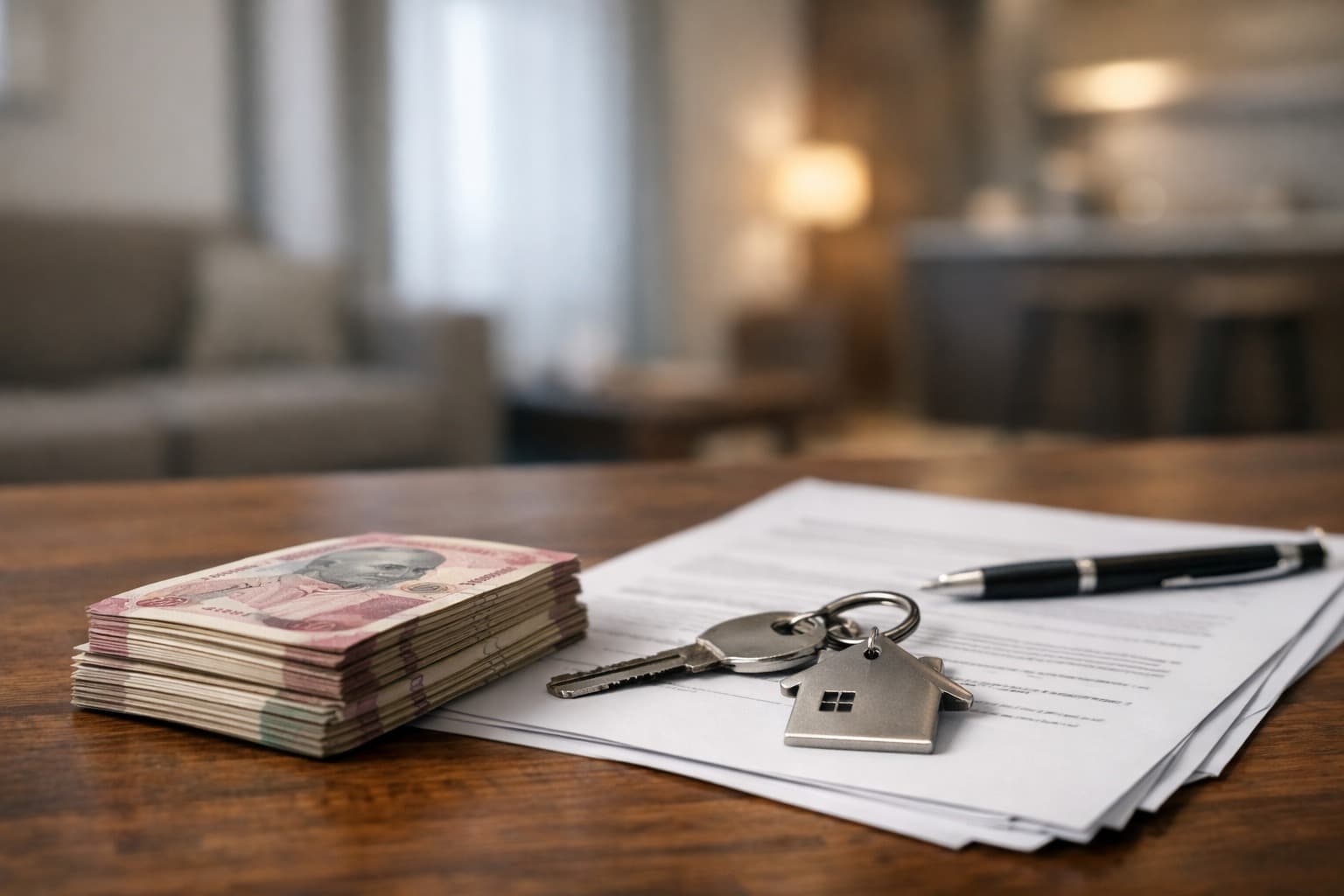
Do a walkthrough of the property with your landlord or their representative and take timestamped photographs and videos of every room, every wall, every fitting. Note pre-existing damage that was there when you moved in and compare it against the condition at exit. If anything was damaged during your tenancy, acknowledge it honestly. Courts take a dim view of tenants who dispute entirely legitimate deductions.
Get a written acknowledgement from the landlord confirming the date of handover and the condition of the property. Even a WhatsApp message confirming receipt of keys creates a timestamped record that becomes useful later.
Step Two: Send a Formal Written Reminder
If the refund has not come through within the agreed or reasonable timeframe, start with a polite but firm written reminder. A WhatsApp message or email clearly stating the amount due, the vacating date, and requesting a timeline for refund works well as a first step.
Keep the tone neutral. The goal at this stage is to resolve it without escalation. Many landlords delay simply out of inertia, and a direct, documented reminder often moves things along. What this step also does is create a written record showing you attempted to resolve the dispute amicably before taking any further action, which matters if this eventually goes to a legal forum.
Step Three: Send a Legal Notice
If the informal reminder does not produce results within two to three weeks, the next step is a legal notice to landlord for security deposit refund India.
A legal notice is a formal written communication, usually drafted and sent by a lawyer, demanding payment within a specific timeframe, typically 15 to 30 days, and stating the legal consequences of non-compliance. It does not mean you are filing a case. It means you are formally signalling that you will if the matter is not resolved.
The cost of sending a legal notice through a lawyer typically ranges from Rs 500 to Rs 3,000 depending on the city and the lawyer. Many landlords respond to a legal notice because they know the next step is a formal complaint or court proceeding, which is more expensive and time-consuming for everyone.
Step Four: File a Complaint With the Rent Authority
How to file a complaint against landlord deposit India through official channels is your next option if the legal notice goes unanswered.

Under the Model Tenancy Act, states that have adopted it have designated Rent Authorities, usually at the district level, where tenants can file formal complaints. The process is relatively straightforward, requires copies of your rental agreement, communication records, proof of vacating, and the details of the deposit paid. The Rent Authority has the power to direct the landlord to refund the deposit and can impose penalties for wrongful withholding.
In states without a Rent Authority, you can approach the District Consumer Forum under the Consumer Protection Act if the deposit withholding is accompanied by deficiency of service. Alternatively, you can file a civil suit in a small claims or civil court for recovery of the amount.
Step Five: Approach Consumer Court or Civil Court
For deposits above Rs 1 lakh, a civil recovery suit is the most effective route if all else fails. For smaller amounts, tenant rights under Rent Control Act provide access to Rent Control Courts in many states, which are specifically designed to handle landlord-tenant disputes quickly and at low cost.
The case is strongest when you have your rental agreement, proof of deposit payment, vacating documentation, photographs, and all prior communication neatly organised. Cases with clear documentation tend to resolve faster and more favorably.
Summary
If your landlord is not returning the deposit India, you have a clear escalation path available. Start by documenting the property condition thoroughly at vacating, then send a written reminder, followed by a legal notice for security deposit refund. If those steps fail, file with the Rent Authority in your state or approach the Consumer Forum or Civil Court depending on the deposit amount. Tenant rights India are stronger than most renters realise, and a well-documented dispute, handled step by step, gives you a genuinely good chance of recovering what is legally yours.
Video will be embedded from: https://www.youtube.com/watch?v=kVy3XC7tXgQ