
Water Storage and Supply Checklist for Property Buyers
Summary
Don't overlook water! This checklist helps property buyers assess water storage & supply reliability. Avoid future headaches by evaluating sources, capacity, quality, and backup systems before you buy.

Introduction
Water availability is one of the most important factors while buying, renting, or investing in a property. Many buyers focus on location, price, and amenities but ignore water systems until problems arise. Poor water storage and unreliable supply can affect daily life, maintenance costs, and even resale value. This blog provides a simple and practical checklist for checking water storage and supply before finalising a home, helping you avoid future inconvenience and unexpected expenses.
Why Water Storage and Supply Matter
A property may look perfect, but without a reliable water system, living becomes difficult. In many Indian cities, municipal water is limited and seasonal. Buildings depend on borewells and tankers. Adequate storage ensures uninterrupted supply during shortages. From an investment point of view, properties with strong water infrastructure attract better tenants and retain value over time.
Check the Main Water Sources
The first step is to understand where the water comes from. Ask whether the building depends on municipal supply, borewell water, tanker water, or a combination. Municipal water is usually the most reliable and cost-effective. Borewells are useful but may dry up in summer. Tanker water increases monthly costs. A balanced mix of sources is usually safer for long-term living.
Evaluate Water Storage Capacity
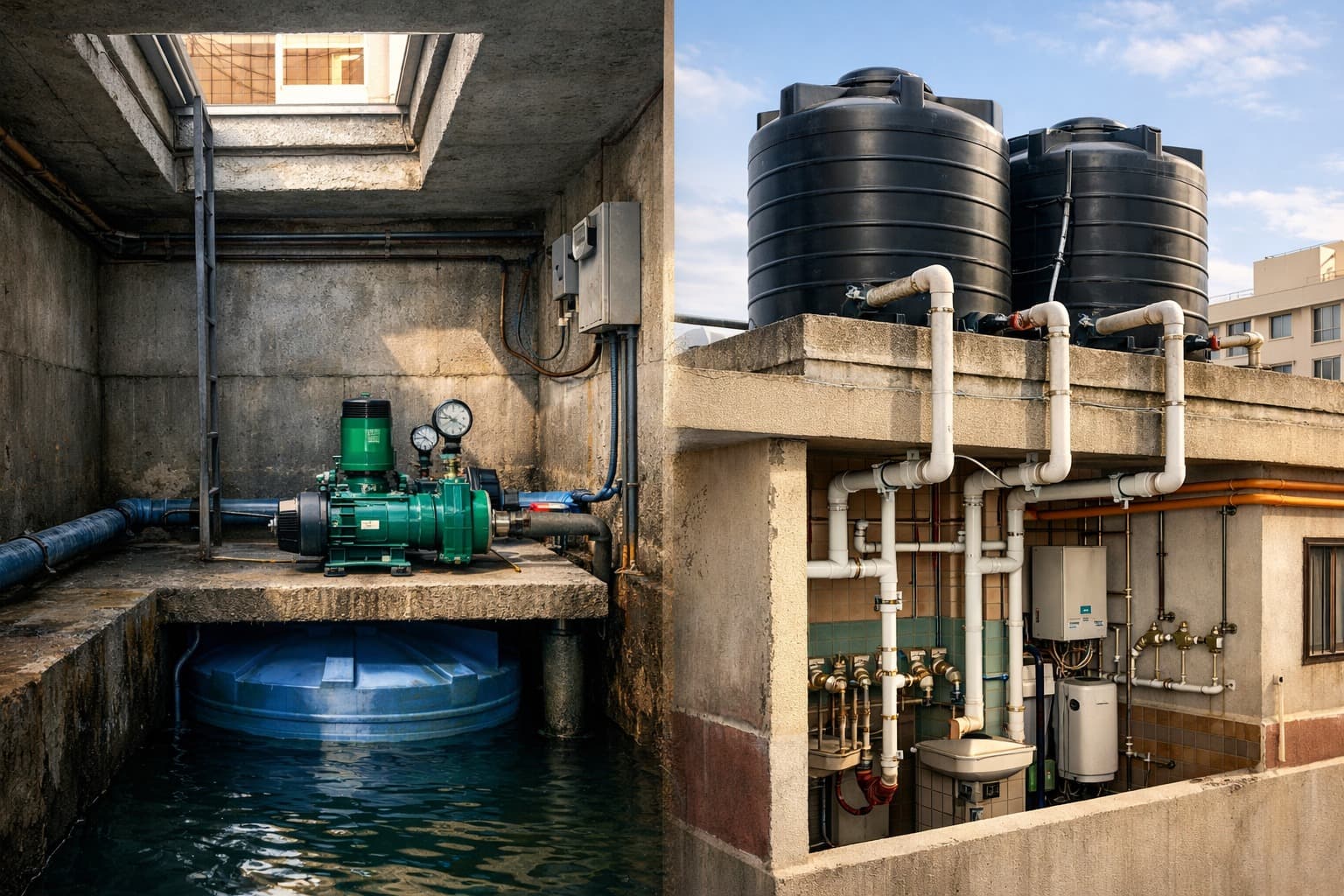
Storage capacity determines how long a building can manage without fresh supply. Check the size of underground tanks and overhead tanks. Ideally, storage should be sufficient for at least two to three days of normal usage. Ask how many litres are allocated per flat. Buildings with inadequate storage often face shortages during peak usage or supply cuts.
Inspect Water Quality
Water quality affects health and plumbing systems. Ask if the society has tested the water recently and whether a TDS report is available. Check if common RO or filtration systems are installed. During site visits, observe the colour, smell, and taste of tap water. Hard water can cause staining and damage fittings, leading to higher maintenance costs.
Review the Water Distribution System
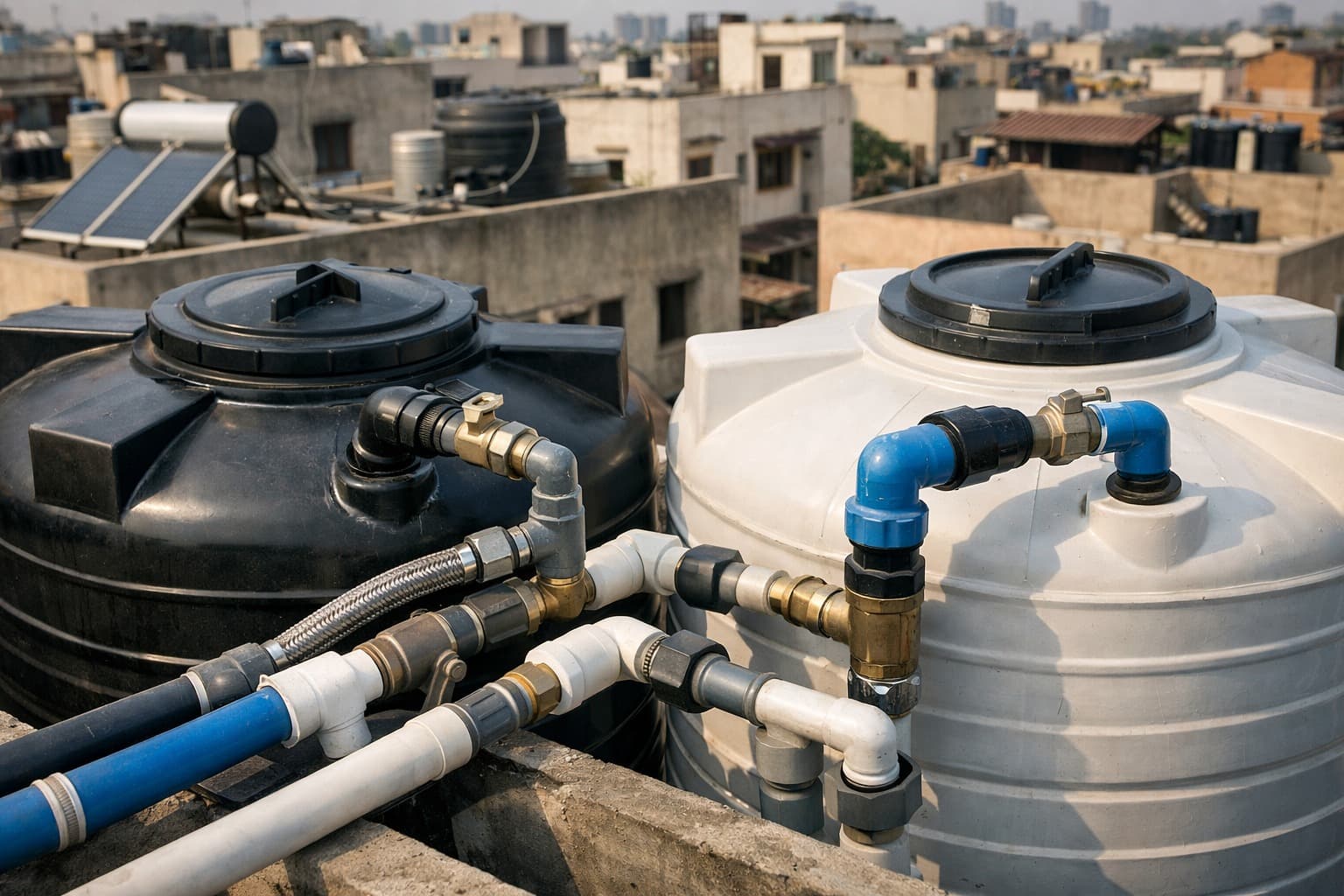
A good storage system is useless if distribution is poor. Check water pressure at different times of the day, especially on higher floors. Low pressure during mornings and evenings is a common issue. Inspect pipelines for leaks or rust. Confirm whether water is supplied round the clock or at fixed timings.
Backup Arrangements During Shortage
Every building should have a backup plan. Ask if the society has permanent tanker suppliers and how quickly water can be arranged during emergencies. Understand the cost of tanker water and how it is charged to residents. Also confirm the presence of separate fire water tanks, which are mandatory for safety compliance.
Maintenance and Cleaning Practices
Regular cleaning of water tanks is essential for hygiene. Ask how often underground and overhead tanks are cleaned. Ideally, this should be done at least twice a year. Check whether professional agencies are used and if records are maintained. Poor maintenance can lead to contamination and health issues.
Rainwater Harvesting System
Rainwater harvesting reduces dependency on external water sources. Check if the building has a functional rainwater harvesting system. Ask whether the collected water is used for groundwater recharge or stored for usage. Ensure the system is maintained and not just installed for approval purposes. Functional rainwater systems are a strong positive sign.
Water Metering and Usage Control
Water metering helps manage consumption and reduce wastage. Ask if individual water meters are installed for each flat. Usage-based billing is fairer and encourages conservation. Understand how water charges are calculated and whether penalties apply for excessive usage. Transparent billing reflects good society management.
Legal Approvals and Compliance
Verify that the building has legal water connections approved by local authorities. Borewells should be registered and permitted. Check for any past notices or disputes related to illegal water usage. Properties with unclear water approvals may face future restrictions or penalties.
Feedback from Existing Residents
Speaking to residents provides real insights. Ask about water availability during summer months and past shortage experiences. Enquire about tanker dependency and additional charges. Resident feedback often reveals issues that are not visible during short site visits.
Water Supply from an Investment Perspective
From an investor’s point of view, water reliability directly impacts rental demand. Tenants prefer properties with consistent supply and lower tanker dependency. Poor water systems increase vacancy risk and reduce rental value. Long-term appreciation is also stronger in projects with sustainable water management.
Common Mistakes Buyers Should Avoid
Many buyers assume that new buildings automatically have good water systems. Others ignore storage capacity and focus only on source availability. Another common mistake is not accounting for tanker costs in monthly expenses. Avoid relying on verbal assurances and always check physical infrastructure.
Long-Term Impact on Daily Living
Water issues affect daily routines, hygiene, and overall comfort. Inconsistent supply leads to stress and conflicts within societies. Properties with well-managed water systems offer smoother living experiences and lower long-term costs. This makes water infrastructure as important as location and construction quality.
Summary
Checking water storage and supply is not optional, it is essential. A thorough review helps you make an informed decision and protects you from future inconvenience. Whether you are a homebuyer, tenant, or investor, using this checklist will help you choose a property that supports comfortable living and long-term value. A reliable water system is a silent asset that proves its worth every single day.