
Vastu Remedies for West Facing Flats: A Comprehensive Guide for Indian Homebuyers
Summary
Busting myths about west-facing flats! This guide provides Vastu remedies for Indian homebuyers, covering door placement, room arrangement, and colors for prosperity and harmony. Learn how to make your west-facing flat auspicious!

Introduction
Walk into any property site visit across Mumbai, Bengaluru, or Delhi, and you will overhear at least one family quietly debating the direction of the flat. And if the answer is west, someone in the group is usually already shaking their head. The west facing house has earned an unfair reputation in popular imagination. Many homebuyers dismiss perfectly good apartments simply because the entrance opens toward the setting sun.
But Vastu for flats does not actually say the west is bad. What it says is far more nuanced. Every direction carries its own energy, its own set of possibilities, and its own conditions for when it works best. A west facing flat Vastu plan, when laid out correctly, can support prosperity, social standing, and a genuinely harmonious home environment. The problem is not the direction. The problem is what happens when people do not know the rules that come with it.
This guide breaks all of it down, room by room, remedy by remedy.
What Exactly Is a West Facing Flat?
The definition is simpler than most people think.
Stand at your main entrance door, face outward as if you are leaving the flat, and check the direction you are facing. If you are looking west, your home is west facing. That is it. Many people confuse the direction the flat receives light from with the direction it faces, but it is always determined by the entrance.
In apartment complexes, this creates interesting situations. Units on the same floor can face different directions based on which side the lift lobby opens to. Always confirm the facing direction of the main door specifically, not the building or the wing.
Why West Facing Homes Get a Bad Name Unfairly
The bias against west facing home tips essentially comes from one legitimate concern: afternoon heat.
In most parts of India, the sun travels from east to south to west across the day. A flat whose entrance faces west receives the strongest direct sunlight in the later hours of the afternoon, particularly during summer. In cities like Ahmedabad, Nagpur, or Chennai, where summer temperatures climb sharply, this additional heat load is a real practical concern for air conditioning costs and indoor comfort.
But that is a climate management issue, not a cosmic one. Vastu experts consistently point out that the earth's own axis of rotation tilts at approximately 23.5 degrees and is constantly in motion. The idea that a fixed compass direction is inherently unlucky for all people under all circumstances does not align with how Vastu Shastra, as a system of spatial science, actually works.
The west direction in Vastu is governed by Shani, or Saturn, and its corresponding element is space or akasha. It is associated with service to others, intellectual depth, and social impact. These are hardly inauspicious qualities.
Which Professions Thrive in a West Facing Flat
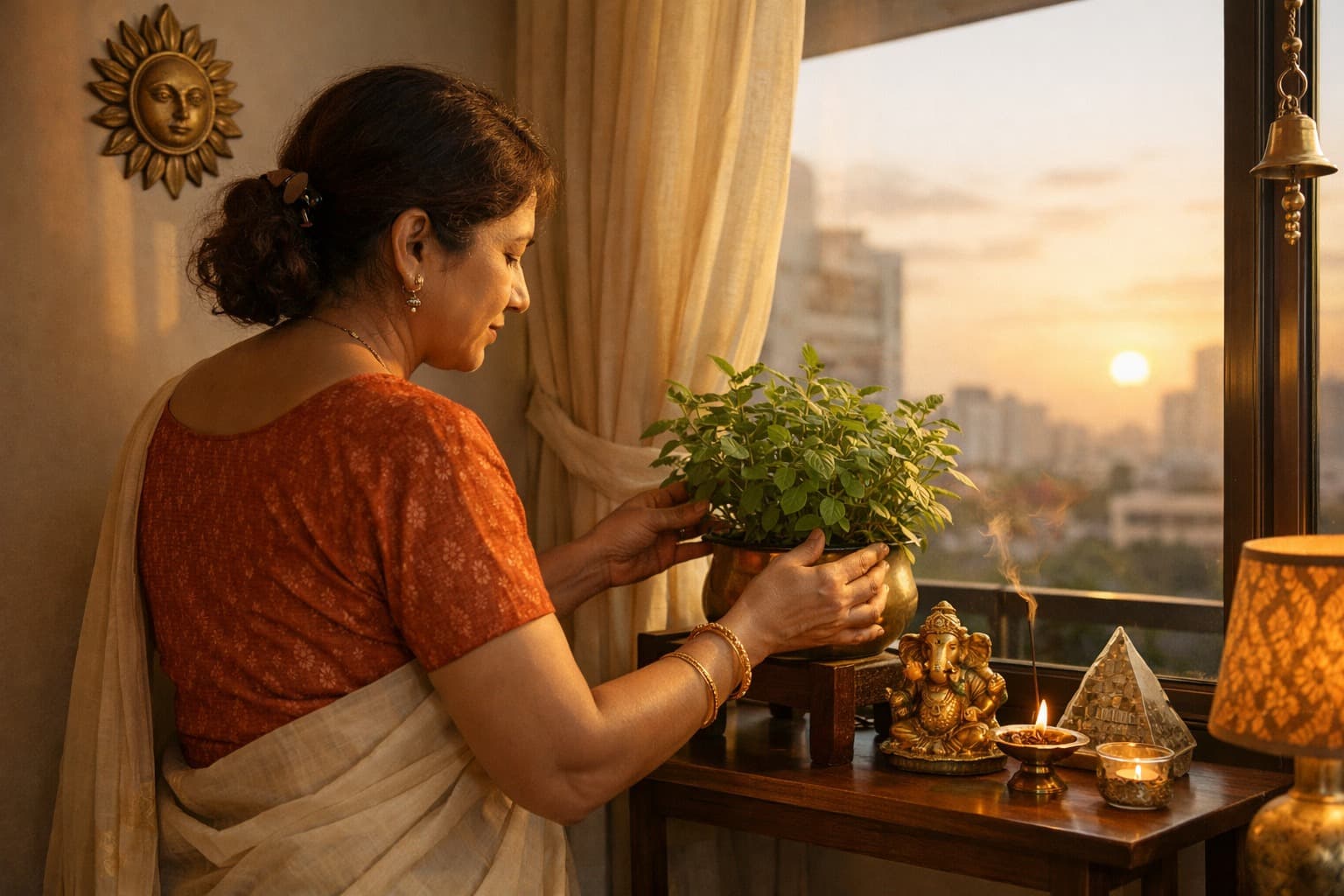
Vastu consultants have long maintained that a west facing house tends to support people in certain fields more than others.
Doctors, nurses, lawyers, financial advisors, teachers, artists, and those in public service are specifically identified as people who tend to find west facing homes particularly aligned with their energies. Chefs, detectives, and gardeners also fall into this category. The underlying logic is that the west supports those whose work is defined by contributing to others, whether through healing, guidance, education, or creative expression.
Politicians, religious leaders, and people in business also tend to thrive here. The west direction in Vastu carries associations with social recognition and the ability to build networks. For anyone whose professional success depends on visibility and public goodwill, a well-arranged west facing flat Vastu plan can be genuinely supportive.
The Main Door: Where Most West Facing Vastu Goes Wrong
The entrance of any home carries the most weight in west facing home tips, and this is precisely where most Vastu remedies for west-facing flats begin.
According to senior Vastu consultant Shaktikanta Desai of AtoZ Associates, the main door of a west facing house should be positioned either exactly in the centre of the western wall or shifted slightly toward the northwest. The southwest placement of the main door is what creates genuine Vastu trouble and should be completely avoided.
Vastu practitioners divide the western wall into nine equal segments called padas, running from the northwest corner down to the southwest corner. The fifth and sixth padas from the northwest end are considered the most auspicious positions for the entrance. The seventh, eighth, and ninth padas, which are in the southwest zone, are regarded as unfavourable because this region carries heavier, more stagnant energy in the Vastu framework.
For the door colour, soft shades like light blue work well for west and north facing doors. Avoid deep or aggressive colours on the main entrance of a west facing flat Vastu layout.
Room Placement Guide for West Facing Flats
Getting the internal layout right is where Vastu for flats delivers the most practical value. The placement of each room in a west facing home has a specific preferred direction.
The master bedroom belongs in the southwest zone. This is considered one of the most settled and grounding corners of any home, and its placement here supports stability in relationships and restful sleep.
The kitchen should be positioned in the southeast. This is the zone of Agni, or fire, in Vastu, and placing the cooking area here is considered ideal regardless of the direction the home faces. One rule that applies here, and across all Vastu layouts, is that the kitchen must never share a wall with or be placed directly above or below the pooja room, bedroom, or toilet.
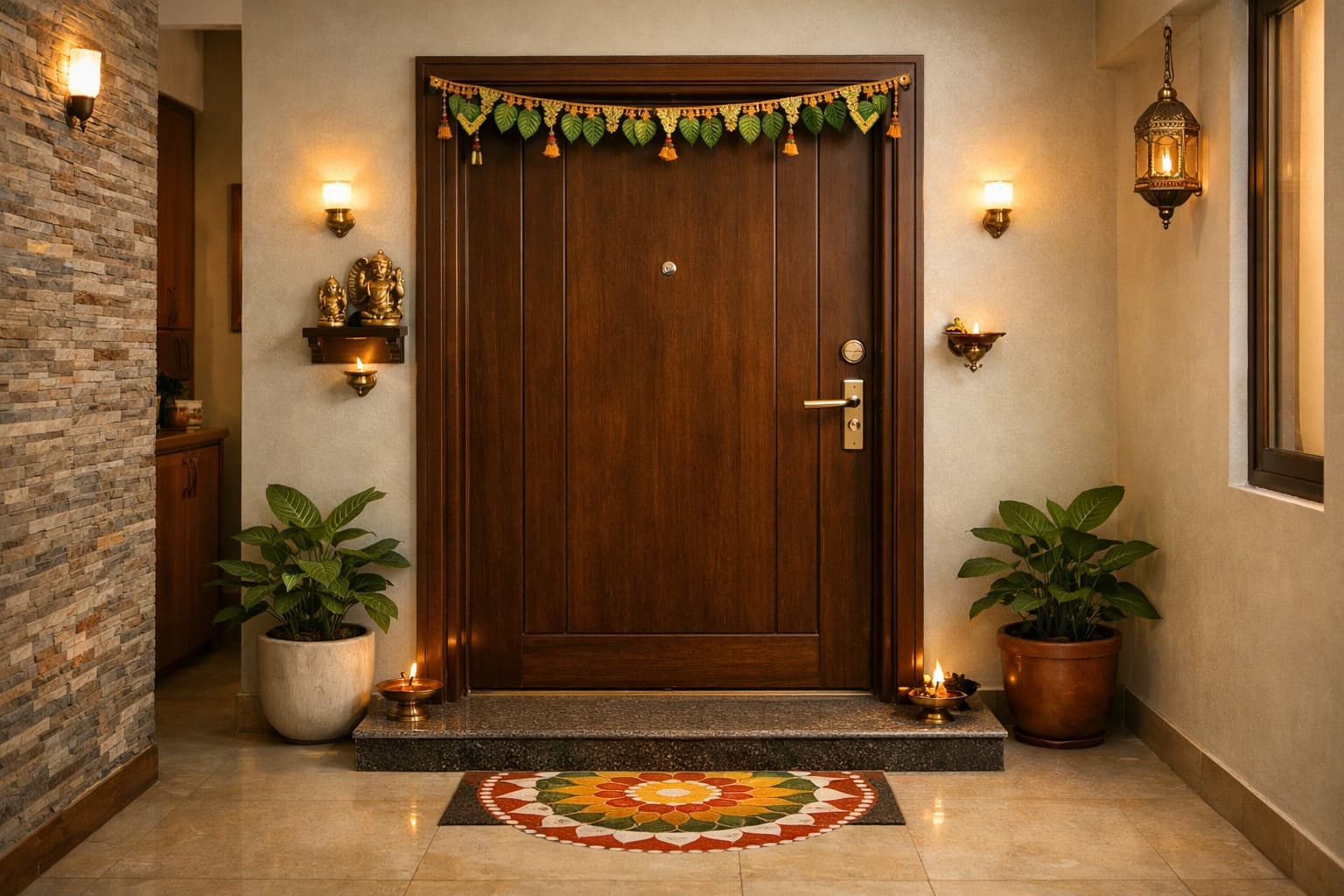
The pooja room or home temple works best in the northeast, east, or west zones. When placed in the west, the deity idols and photographs should face east so that the person praying faces west during worship.
Children's rooms belong in the south, west, or northwest portions of the flat. The northwest zone is also ideal for a guest room, since it carries the energy of movement and transition rather than long-term settlement.
The living room should occupy the east, north, northeast, or northwest part of the flat. Study rooms and dining areas work well in the west zone. Staircases, if present, belong in the south, southwest, or western sections of the home.
A simple but important detail: windows should be placed in the north and east walls. Avoid cutting openings in the west and south walls beyond what is structurally necessary.
Vastu Colours for a West Facing Home
The colour palette you choose for your walls in a west facing flat Vastu setup is not a minor aesthetic decision. In Vastu thinking, colours carry elemental associations and affect the quality of energy in a space.
The most recommended shades for a west facing house are white, silver, beige, cream, and yellow. These are neutral, reflective tones that balance the stronger western energy without fighting against it.
Light blue is specifically mentioned as beneficial if the flat extends more in the western direction than any other. Off-white and cream are safe for any room in the house. What you want to avoid is an excess of bright, saturated colours across the flat. One or two accent walls with a warmer tone are fine, but an overly stimulating palette can disrupt the sense of calm that a well-arranged west facing home naturally produces.
Summary
A west facing flat Vastu plan is neither inherently fortunate nor unfortunate. When the main door placement, room arrangement, wall colours, and key Vastu remedies are correctly applied, a west facing house can be deeply supportive of health, prosperity, and social success. Vastu tips for west facing house consistently point to professions in service, education, law, and the arts as the most naturally aligned with this direction. With the right layout and simple corrective measures for any existing Vastu defects, a west facing home can offer exactly the stability and positive energy every Indian homebuyer hopes to find.