
Vastu for East-Facing Flats: A Comprehensive Guide
Summary
Unlock positivity and well-being with Vastu for east-facing flats! Learn key guidelines for entrance, room placement, and remedies to create a harmonious home aligned with Vastu principles.

Introduction
Choosing a home is not only a financial decision but also an emotional one for Indian families. Many buyers believe that direction plays a strong role in long-term peace and prosperity. An east facing house vastu plan is often preferred because it welcomes the rising sun, symbolising growth and new beginnings. However, direction alone does not decide whether a home is good or bad. Proper room placement, entrance position, and balance of natural elements are equally important. This guide explains how vastu for east facing flats works in real life and how buyers can use it wisely.
What Is an East-Facing Flat as Per Vastu
A flat is considered east-facing when the main entrance opens towards the east. Road direction or balcony placement does not decide this. As per east facing flat vastu, the entrance direction is the primary factor. East is ruled by the Sun and represents energy, health, and clarity. When planned correctly, an east-facing flat supports discipline, positivity, and mental strength.
Importance of East Direction in Vastu Shastra
East is associated with light, knowledge, and life force. Morning sunlight entering the home improves mood and physical well-being. This is why east facing home vastu tips stress open spaces and windows in the east. Balanced energy in this zone promotes optimism, creativity, and spiritual growth, making daily life calmer and more focused.
East Facing Main Door Vastu Guidelines
The main entrance should ideally be placed in the central portion of the east wall. According to east facing house vastu plan, the 5th pada is the most auspicious, followed by the 3rd and 4th. Avoid extreme northeast and southeast corners. The entrance should be clean, well-lit, and free from obstructions. This allows positive energy to flow smoothly into the home.
Living Room Placement for East-Facing Flats
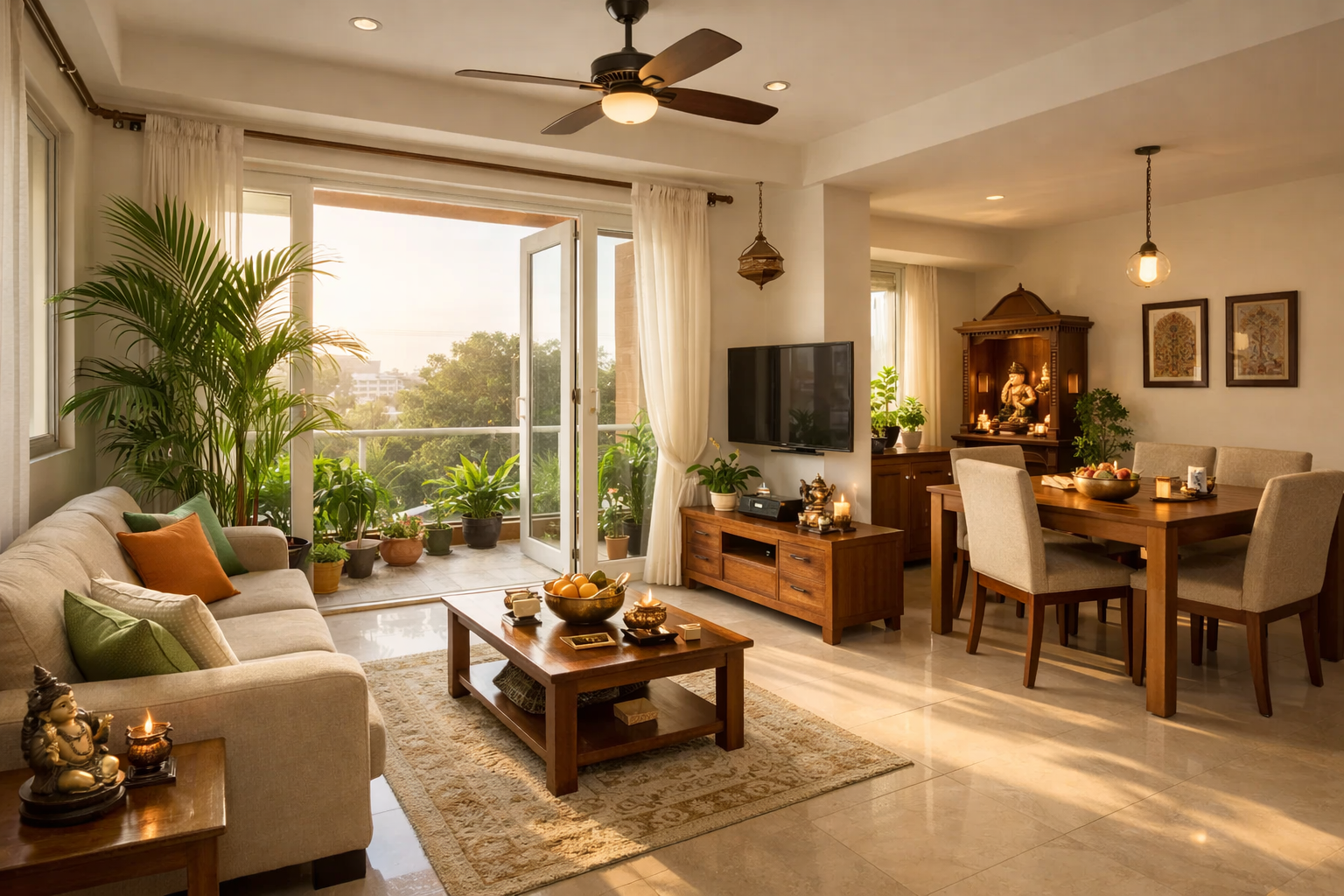
The living room should be in the northeast or east zone. This area receives maximum light and supports social harmony. Heavy furniture must be placed in the southwest or west parts of the room. Seating should ideally face east or north. Following these vastu rules for east facing house helps create a welcoming and energetic atmosphere.
Bedroom Vastu for Stability and Comfort
The master bedroom should be in the southwest zone for emotional and financial stability. Children’s bedrooms are suitable in the west or northwest. Avoid bedrooms in the northeast. While sleeping, the head should face south or east. This guideline is a key part of any east facing flat vastu guide, as wrong sleeping direction can disturb rest and health.
Kitchen Vastu in East-Facing Homes
The kitchen represents fire energy and should be placed in the southeast. If not possible, northwest is acceptable. Avoid kitchens in the north, northeast, or west. While cooking, one should face east. Correct kitchen placement strengthens health and harmony, which is central to east facing home design vastu principles.
Pooja Room and Study Room Placement
The northeast is the most auspicious location for the pooja room. East and west are secondary options. The study room should be in the east, north, or northeast to improve focus and learning. Keeping these areas clean and calm enhances the benefits of east facing house vastu planning.
Bathroom, Balcony, and Open Areas
Bathrooms should be in the south, southwest, west, or northwest zones. Avoid toilets in the northeast or east. Balconies and open spaces are best placed in the east to allow sunlight and ventilation. These elements play a crucial role in vastu for east facing flats by maintaining energy balance.
Benefits of an East-Facing Flat
A well-planned east-facing flat offers many advantages. These include better health, positive thinking, spiritual growth, and improved family relationships. Exposure to morning sunlight increases energy and productivity. These east facing house benefits are experienced fully only when Vastu principles are followed correctly inside the home.
Who Should Prefer East-Facing Flats
East-facing homes are suitable for students, teachers, professionals, and people seeking mental clarity. They are also good for families focused on discipline and routine. However, suitability varies by lifestyle and belief. Applying vastu tips for east facing flat practically is more important than blindly following direction trends.
Common Vastu Doshas and Easy Remedies
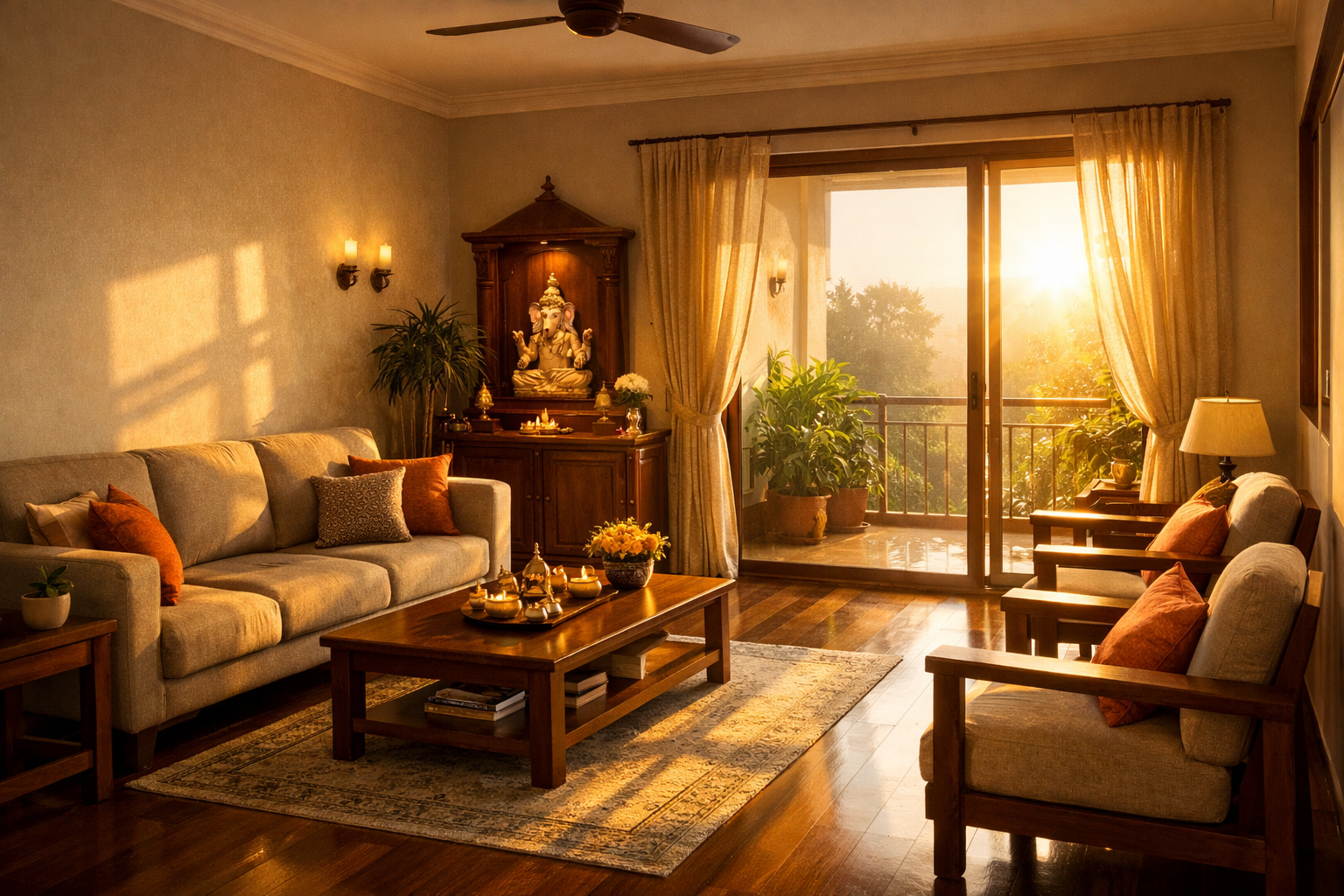
Common issues include toilets in the northeast, blocked east zones, or incorrect entrance placement. Remedies include keeping the east open, using mirrors carefully, placing symbols like the rising sun, and avoiding clutter. These solutions help correct east facing house vastu dos and donts without major reconstruction.
Real Estate Impact of East-Facing Vastu Homes
From a buyer perspective, east-facing flats often attract strong demand due to traditional beliefs. Many buyers search online asking is east facing flat good as per vastu shastra before purchasing. Vastu-compliant homes usually enjoy better resale appeal and emotional satisfaction for end users.
Practical Tips Before Buying an East-Facing Flat
Buyers should verify entrance direction, room placement, ventilation, and natural light. A simple Vastu consultation can prevent long-term discomfort. Balanced planning ensures peace of mind, functional living, and better property value over time.
Summary
An east-facing flat can offer health, positivity, and peace when designed as per Vastu Shastra. Correct entrance placement, proper room zoning, and open east spaces are essential. While east direction is considered auspicious, results depend on complete internal planning. By following basic Vastu rules and simple remedies, homebuyers can create a harmonious living environment that supports well-being, clarity, and long-term happiness for the entire family.