
Understanding Penalty Clauses in Buyer Agreements for Property Deals
Summary
Protect yourself in property deals! This guide explains how penalty clauses in buyer agreements work, covering termination rights, indemnity, outstanding dues, and the importance of legal review to avoid disputes.

Introduction
Property transactions involve large sums of money and high emotional investment. Yet, many buyers face uncertainty when sellers withdraw from deals at the last moment. In several cases, the sale agreement lacks safeguards to protect the buyer. This is why understanding how penalty clauses work in buyer agreements is essential. A well-drafted agreement ensures fairness and accountability. Buyers must ensure that all important clauses are clearly stated to avoid financial loss and legal complications during a property deal.
Why Buyer Agreements Need Strong Clauses
A buyer agreement defines the responsibilities of both parties. If terms are vague or incomplete, disputes can arise. In secondary market transactions, sellers sometimes cancel deals after receiving better offers. Without protective clauses, buyers are left with no remedy. Including clear sale agreement clauses ensures transparency and builds trust. These clauses reduce risk and ensure that commitments made during negotiation are honoured.
Right to Terminate the Deal
One of the most important buyer rights in property deal is the right to terminate. The agreement should allow the buyer to exit if legal documents are invalid or incomplete. If the buyer discovers ownership disputes or missing approvals, termination should be permitted. The clause should also state that if a home loan is rejected, the buyer will not be held liable. This protects buyers from financial strain caused by factors beyond their control.
Importance of the Penalty Clause
A penalty clause in buyer agreement discourages sellers from backing out without reason. This clause acts as a financial deterrent. If the seller cancels the transaction, the clause should require them to return the token amount along with an equal penalty. Including a real estate penalty clause ensures that sellers think twice before breaching the agreement. It also compensates the buyer for time, effort, and opportunity loss.

How Penalty Clauses Protect Buyers
Penalty clauses shift risk away from buyers. In many real estate contract disputes, buyers suffer losses due to sudden cancellations. A clearly defined penalty provides legal backing. Courts generally uphold such clauses if they are reasonable. For buyers, this clause strengthens negotiation power and ensures that the seller remains committed until registration.
Outstanding Dues Clause
A property sale agreement India must specify responsibility for outstanding dues. These include electricity bills, water charges, property tax, and society maintenance fees. The agreement should clearly state that the seller must clear all dues before execution of the sale deed. This prevents sellers from demanding additional money later. It also ensures that buyers do not inherit unpaid liabilities.
Indemnity Clause Explained
An indemnity clause protects buyers from future legal disputes. If legal heirs, lenders, or third parties raise claims after the sale, this clause safeguards the buyer. Penalty and indemnity clauses in property agreement work together to minimise risk. Indemnity is essential in cases where ownership history is complex. It ensures that the seller bears responsibility for past issues related to the property.
Force Majeure Clause
Unexpected events can disrupt transactions. A force majeure clause addresses such situations. Natural disasters, severe damage to property, or death of either party may make completion impossible. The clause should state that neither party can enforce the agreement under such circumstances. Including this clause makes the real estate contract more balanced and realistic.
Seller’s Right of Access Before Registration
Buyers must understand that ownership transfers only after registration. Until then, the seller retains access rights. The agreement should clarify that the property is sold on an “as-is-where-is” basis. Buyers cannot demand renovation or changes before possession. Clear wording prevents misunderstandings during the transition phase of the property deal.
Why Legal Review Is Essential
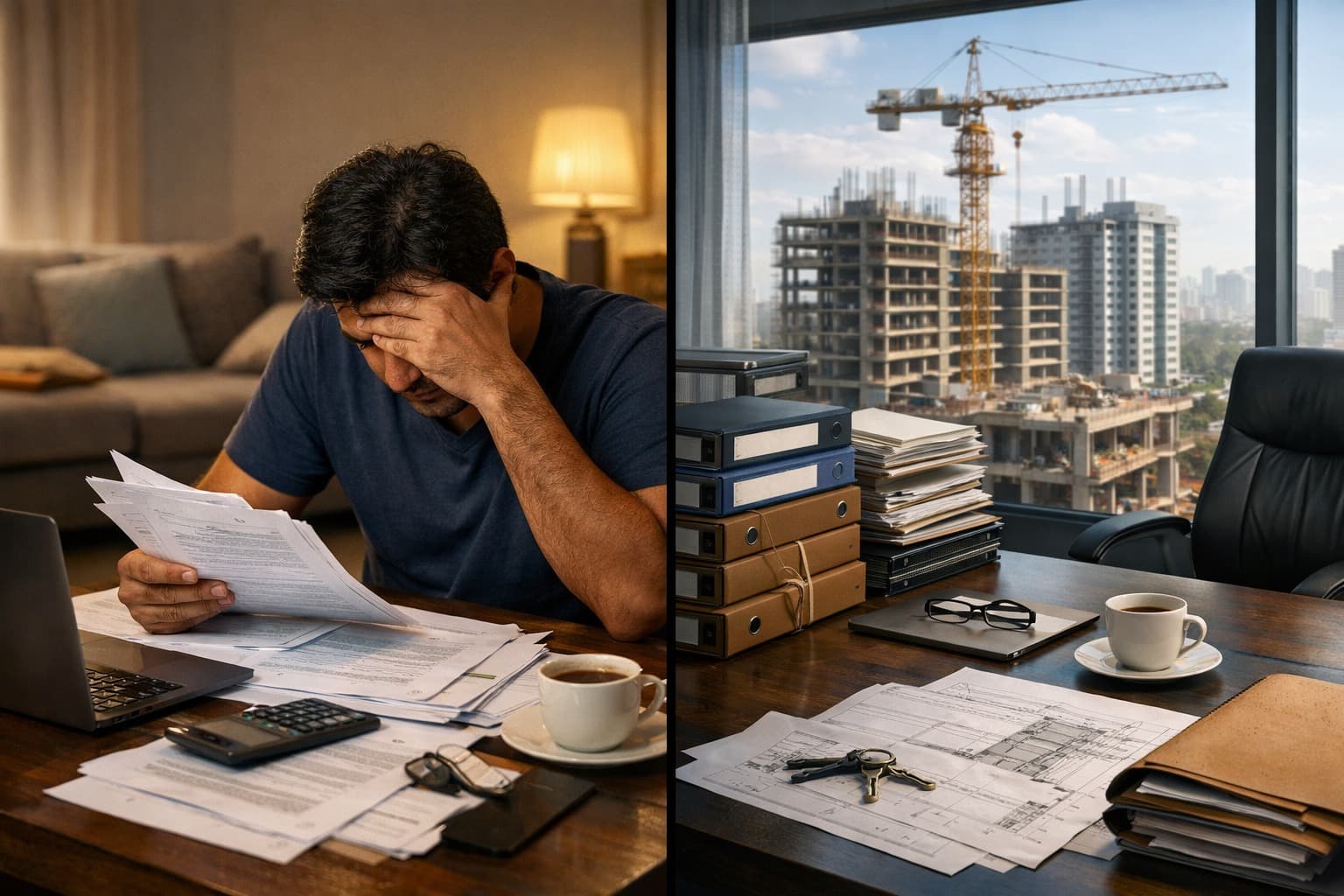
Even standard templates may miss critical details. Buyers should consult a legal expert before signing. A lawyer ensures that must have clauses in property sale agreement are included and customised. This reduces future disputes and ensures enforceability. Legal review also helps buyers understand obligations they might otherwise overlook.
Common Mistakes Buyers Should Avoid
Many buyers rush into agreements due to fear of losing a deal. Skipping clauses or accepting vague terms is risky. Never rely on verbal assurances. Always insist that every commitment is written into the buyer agreement. Paying attention to detail protects buyers from long-term consequences.
Final Thoughts on Buyer Protection
A property transaction should be secure and transparent. Including protective clauses strengthens the buyer’s position. From termination rights to penalties and indemnities, every clause plays a role. Understanding buyer protection clauses in real estate contracts empowers buyers to make informed decisions and avoid costly disputes.
Summary
Penalty clauses play a vital role in protecting buyers in property transactions. A well-drafted buyer agreement should include termination rights, penalty clauses, indemnity provisions, and clarity on outstanding dues. These clauses discourage sellers from cancelling deals unfairly and safeguard buyers from legal and financial risks. Buyers should always seek legal review before signing a sale agreement. Clear documentation and proper clauses ensure transparency, accountability, and peace of mind throughout the property buying process.