
Understanding Built-Up Area: What Builders Include and Why It Matters
Summary
Built-up area includes carpet area, walls, balconies, and utility spaces, reflecting the apartment's constructed footprint. Understanding its components helps buyers assess space efficiency and pricing, preventing misunderstandings about usable living space.

Introduction
When buying a flat, buyers often focus on the total area mentioned in brochures without fully understanding what that number represents. One of the most commonly used terms by developers is built-up area. Many buyers assume that built-up area reflects the actual living space, which is not entirely correct. Understanding what builders include in the built-up area is essential to evaluate pricing, space efficiency, and overall value. This blog explains the components of built-up area in a simple and practical manner for homebuyers.
Understanding Built-up Area in Real Estate
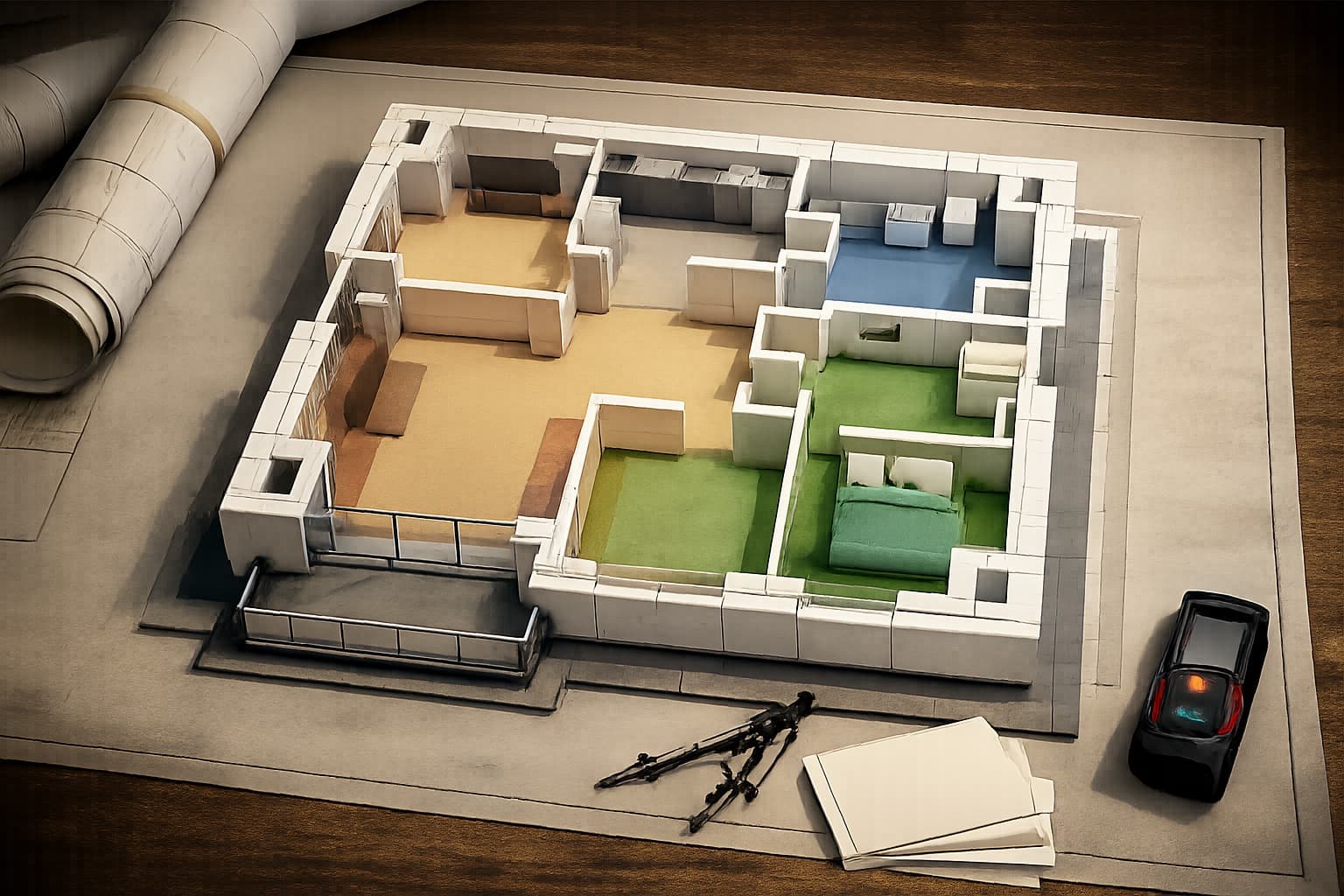
Built-up area is a measurement that lies between carpet area and super built-up area. It represents the constructed area of a flat, including usable and non-usable components. Understanding built-up area in apartments helps buyers differentiate between livable space and construction elements. Builders often use built-up area to describe the physical footprint of the flat, which is larger than carpet area but smaller than super built-up area.
Why Builders Use Built-up Area
Builders prefer built-up area because it includes structural elements that form part of construction costs. Walls, balconies, and utility spaces require materials and labour, even though they may not be fully usable. By quoting flat built-up area, developers present a more comprehensive picture of construction size. However, buyers must understand this measurement clearly to avoid confusing it with actual usable space.
Carpet Area Included in Built-up Area
The foundation of built-up area is carpet area. Carpet area forms the core usable space of the flat and includes bedrooms, living rooms, kitchens, bathrooms, and internal corridors. Every built-up area calculation starts with carpet area as the base. Since carpet area determines daily comfort, buyers should always identify how much of the built-up area consists of actual livable space.
Internal and External Walls
One major component that builders include in built-up area is wall thickness. Both internal partition walls and external structural walls are counted. These walls reduce usable space but are essential for construction stability and privacy. The difference between carpet area and built-up area is largely due to the inclusion of wall thickness, which can account for a significant portion of the total area.
Balconies and Verandas
Balconies and verandas are commonly included in built-up area. While these spaces add ventilation and aesthetic value, they are not part of the core living area. Builders include them because they are constructed spaces attached to the flat. Buyers should check whether balconies are fully or partially included in the built-up area in flats, as this can affect the usable area ratio.
Utility Areas and Service Spaces
Utility areas such as wash areas attached to kitchens are often included in built-up area. These spaces are functional but limited in usability. Builders consider them part of the apartment’s constructed footprint. Understanding these inclusions helps buyers assess how efficiently the apartment size has been planned and whether the layout supports daily needs.
Ducts and Shafts Adjacent to the Flat
In some cases, ducts and service shafts that are exclusive to a flat may be included in built-up area. These spaces house plumbing, electrical, or ventilation systems. Although buyers cannot use these areas, they form part of construction. This is an important aspect of real estate area terms that buyers should clarify before finalizing a purchase.
Staircase and Lift Areas
Staircases and lifts inside the apartment unit, such as in duplex or penthouse units, are included in built-up area. However, common staircases and lifts serving the entire building are not part of built-up area and are instead included in super built-up area. This distinction is important when understanding built-up area components.
What Is Not Included in Built-up Area
Common areas like lobbies, corridors, clubhouses, gyms, and swimming pools are not included in built-up area. These spaces are added later when calculating super built-up area. Buyers should not confuse these shared amenities with built-up area, as doing so can lead to misunderstanding of property area figures quoted by builders.

How Built-up Area Affects Pricing
Although pricing is often calculated using super built-up area, built-up area influences base construction costs. A flat with thicker walls or larger balconies may have a higher built-up area but similar carpet area. Buyers should evaluate cost per square foot based on carpet area for a fair comparison. Understanding built-up area calculation for homebuyers helps prevent overpayment.
Common Buyer Misunderstandings
Many buyers assume that built-up area reflects usable living space, which leads to disappointment after possession. Another common mistake is not checking the carpet-to-built-up area ratio. A poor ratio indicates inefficient planning. Awareness of what is built-up area helps buyers ask the right questions during site visits and document review.
Making an Informed Property Decision
Understanding what builders include in the built-up area allows buyers to evaluate space, price, and comfort realistically. Buyers should always request a clear area break-up showing carpet area, built-up area, and super built-up area. This clarity supports transparent decision-making and long-term satisfaction with the purchase.
Summary
Built-up area includes carpet area along with walls, balconies, utility spaces, and certain service areas constructed as part of a flat. Builders use this measurement to represent the physical footprint of an apartment, not just liveable space. Understanding what is included helps buyers assess layout efficiency and pricing accurately. Since built-up area contains non-usable components, buyers should focus on carpet area for comfort while using built-up area to understand construction scope and overall apartment size.