
The Interplay of Infrastructure, Policy, and Retail Real Estate in India
Summary
Indian retail real estate is deeply influenced by infrastructure, government policy, and residential density. Investors can gain an edge by closely tracking development plans, FSI policies, and infrastructure approvals to anticipate shifts in retail demand.

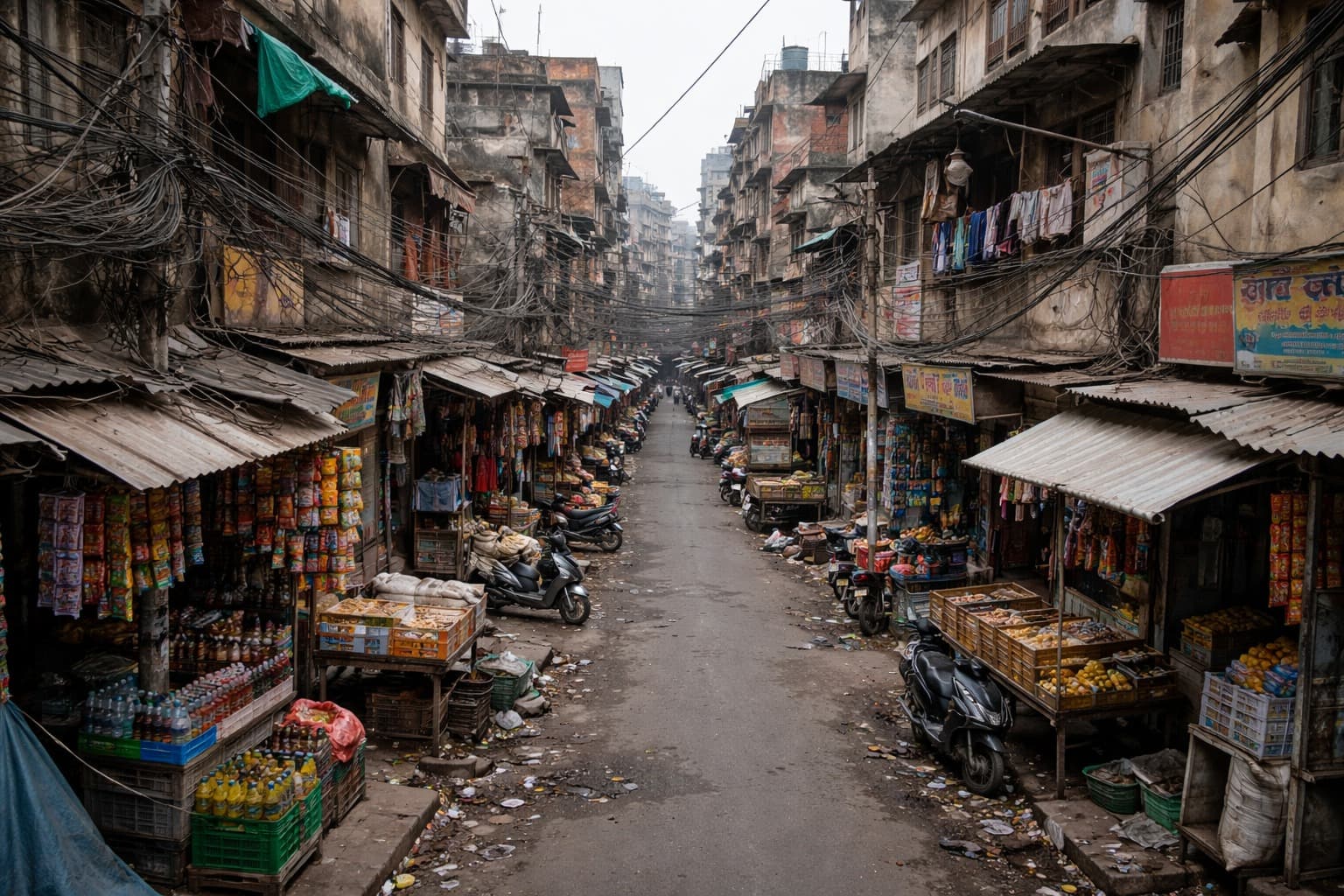
High streets near railway stations, bus terminals, and major road junctions have always been prime retail locations in India. But the relationship has grown more nuanced as infrastructure expands.
When a new flyover or elevated road bypasses a previously busy street, pedestrian access drops sharply and ground-floor retail suffers. When a new metro station opens in a previously isolated suburb, retail demand appears within months. The infrastructure comes first; the retail space value follows.
Government Policy Shapes Supply and Demand Simultaneously
The systematic review identifies government policy as one of the most influential forces shaping retail distribution patterns.
Tax incentives attract businesses to designated commercial zones. Urban redevelopment projects convert old industrial land into mixed-use developments with ground-floor retail. Smart City projects in India have specifically included commercial street upgrades designed to concentrate retail activity and improve pedestrian movement.
FSI or Floor Space Index regulations control how much built area is allowed on a plot. Higher FSI on commercial land in Indian cities creates more supply of retail space, which can lower rents in the short term but expands the total stock available to the market.
When Maharashtra increased FSI along transit corridors in Mumbai, it unlocked new supply of commercial space that benefited both retailers and investors. When a city freezes commercial permissions in a particular zone, existing retail space there becomes more valuable through scarcity.
Consumer Density and Residential Planning
Where people live determines where retail is viable.
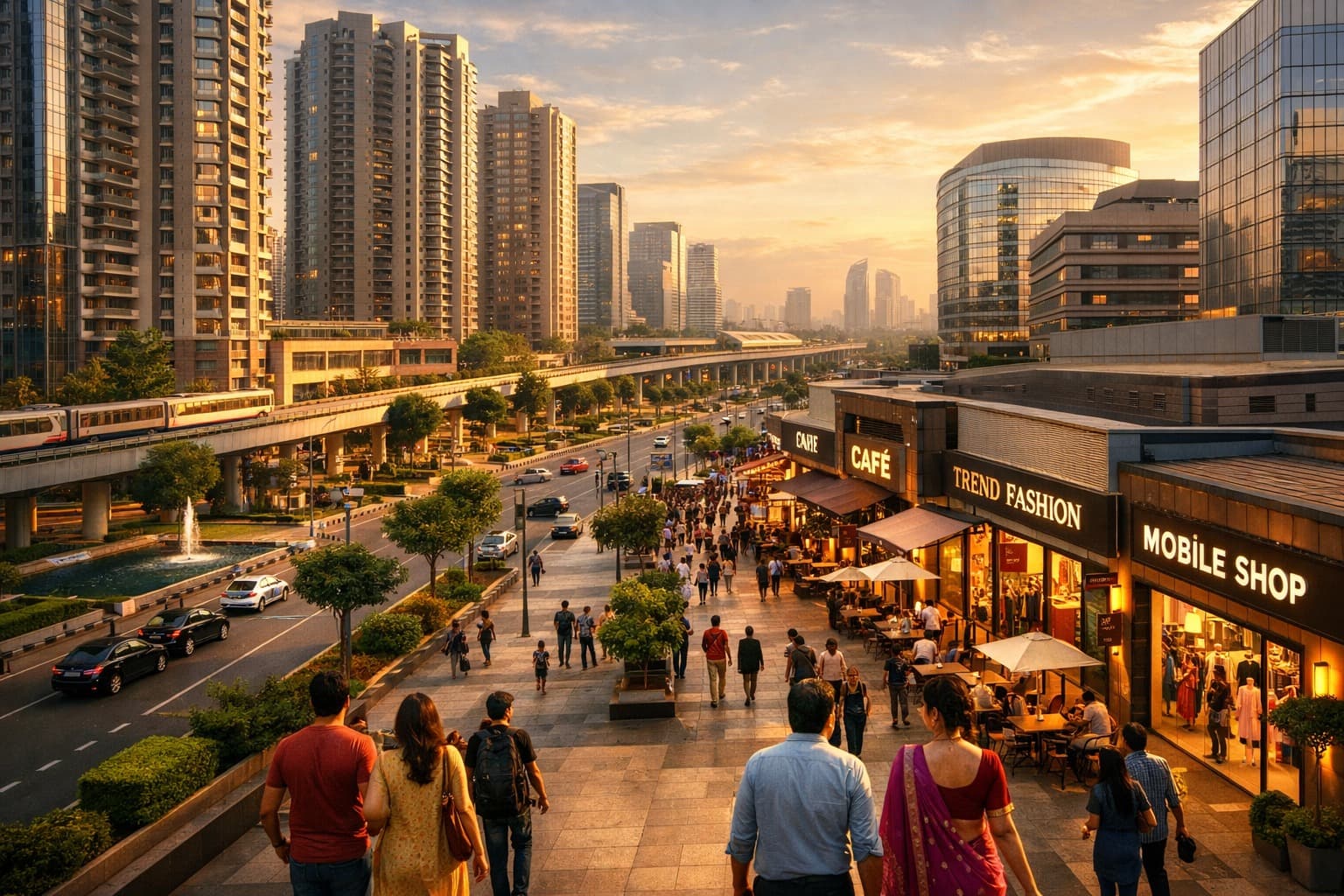
The research finds that retail outlet distribution closely follows residential settlement patterns. High-density residential zones in Indian cities, whether planned townships in Navi Mumbai or informal but dense neighbourhoods in Chennai, generate the foot traffic that makes ground-floor retail commercially viable.
When urban planners approve large township developments on the periphery, they create new retail demand zones that previously did not exist. Developers of integrated townships in cities like Pune, Hyderabad, and Bengaluru have learned to include significant retail components at the ground floor precisely because the captive resident population generates predictable footfall.
Peripheral areas that lack residential density or social infrastructure struggle to support retail, regardless of how much commercial space developers build there.
What This Means for Retail Real Estate Investors
For anyone evaluating retail real estate in India, the message from this research is clear.
Location relative to infrastructure is not a static fact. A site near a planned metro station is being repriced by the market before the station opens. A high street being bypassed by a new road is losing value quietly before the traffic data catches up.
Understanding the Development Plan of your city, tracking infrastructure approvals, and monitoring FSI policy changes are not bureaucratic exercises. They are the essential analytical tools for reading where retail demand is being created and where it is being quietly destroyed.
Summary
Urban planning controls retail space availability through zoning, FSI regulations, transport infrastructure, and government development policy. In Indian cities, metro corridors, mixed-use rezoning, township approvals, and commercial zone notifications directly shape where retail real estate is viable, where rents are rising, and where supply is constrained. Investors and retailers who read the planning signals before the market does consistently find better opportunities at better prices.