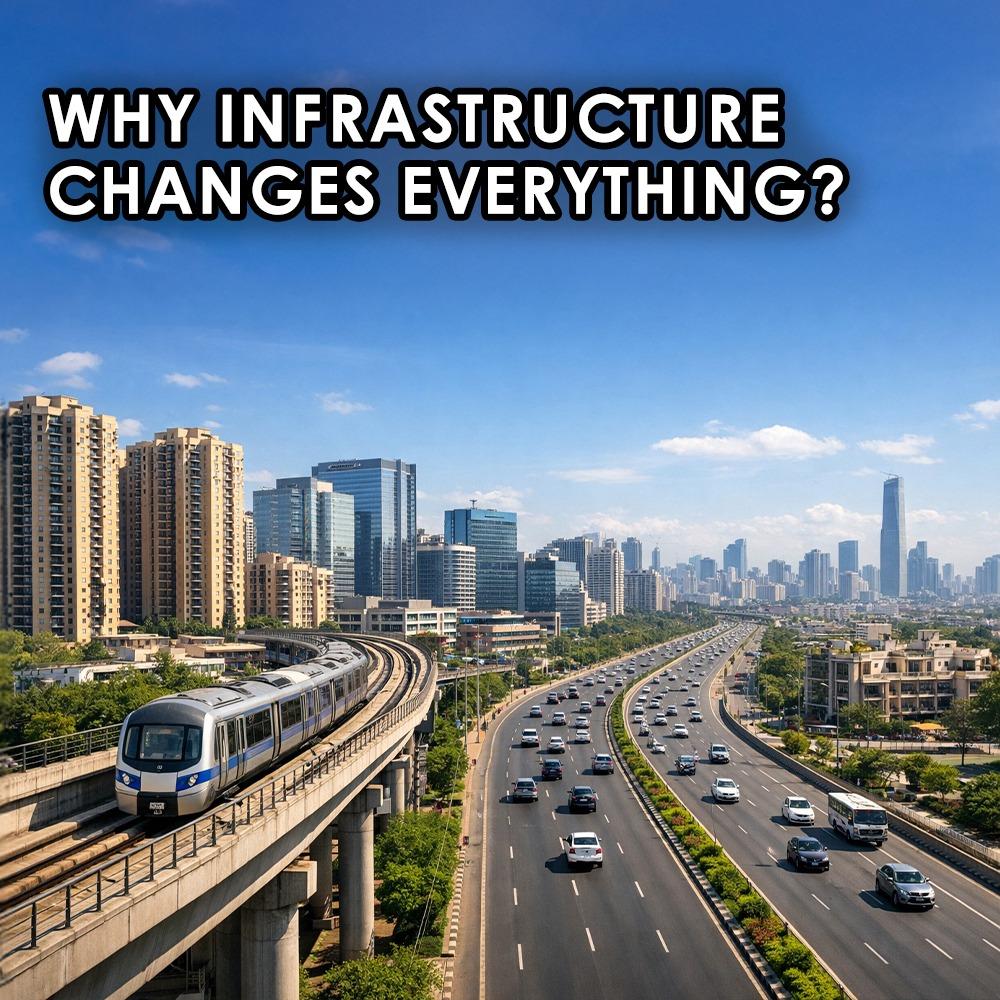
In today’s rapidly evolving real estate market, one factor consistently drives property appreciation: infrastructure. From new roads to advanced public transportation, well-planned infrastructure not only improves access but also enhances the lifestyle of residents. For homebuyers and investors, understanding how infrastructure shapes property value is critical. Whether you are looking for a first home or planning a long-term investment, aligning decisions with infrastructure growth can yield significant financial and lifestyle benefits.
What Constitutes Infrastructure in Real Estate?
Infrastructure in real estate goes beyond roads and metro lines. It encompasses all essential systems and amenities that make a city functional and liveable. Key elements include:
Transportation networks: Highways, metro, railways, and airports
Utilities: Water, electricity, sewage, and internet connectivity
Social infrastructure: Schools, hospitals, parks, and recreational areas
Economic infrastructure: IT parks, industrial corridors, and commercial hubs
When these components are developed or upgraded, they directly improve accessibility, comfort, and the overall desirability of a location.
Enhanced Accessibility and Connectivity
One of the most visible effects of infrastructure development is improved connectivity. New highways, flyovers, and metro lines reduce travel time, making commuting easier. Areas near transport hubs attract more buyers and renters because of convenience. This higher demand naturally drives up property prices. For investors, locations with emerging infrastructure often present an opportunity for early gains, as real estate tends to appreciate rapidly once connectivity improves.
Boost in Local Economic Activity
Improved infrastructure is a key catalyst for local economic growth and real estate appreciation. When new roads, metro lines, or transport hubs are developed, they make an area more accessible, attracting both businesses and residents. The emergence of business districts, shopping complexes, and entertainment centers creates employment opportunities, drawing professionals and boosting daily footfall. This heightened economic activity naturally increases the demand for housing, leading to steady property value growth. Areas surrounding such well-planned infrastructure often transform into vibrant urban neighbourhoods, offering a mix of residential, commercial, and recreational spaces. Early investors in these localities stand to gain significantly through rental income as demand rises and through long-term capital appreciation as the area matures. Strategically targeting such zones allows investors to benefit from the upward trajectory of both lifestyle appeal and market value.
Lifestyle and Quality of Life Improvements
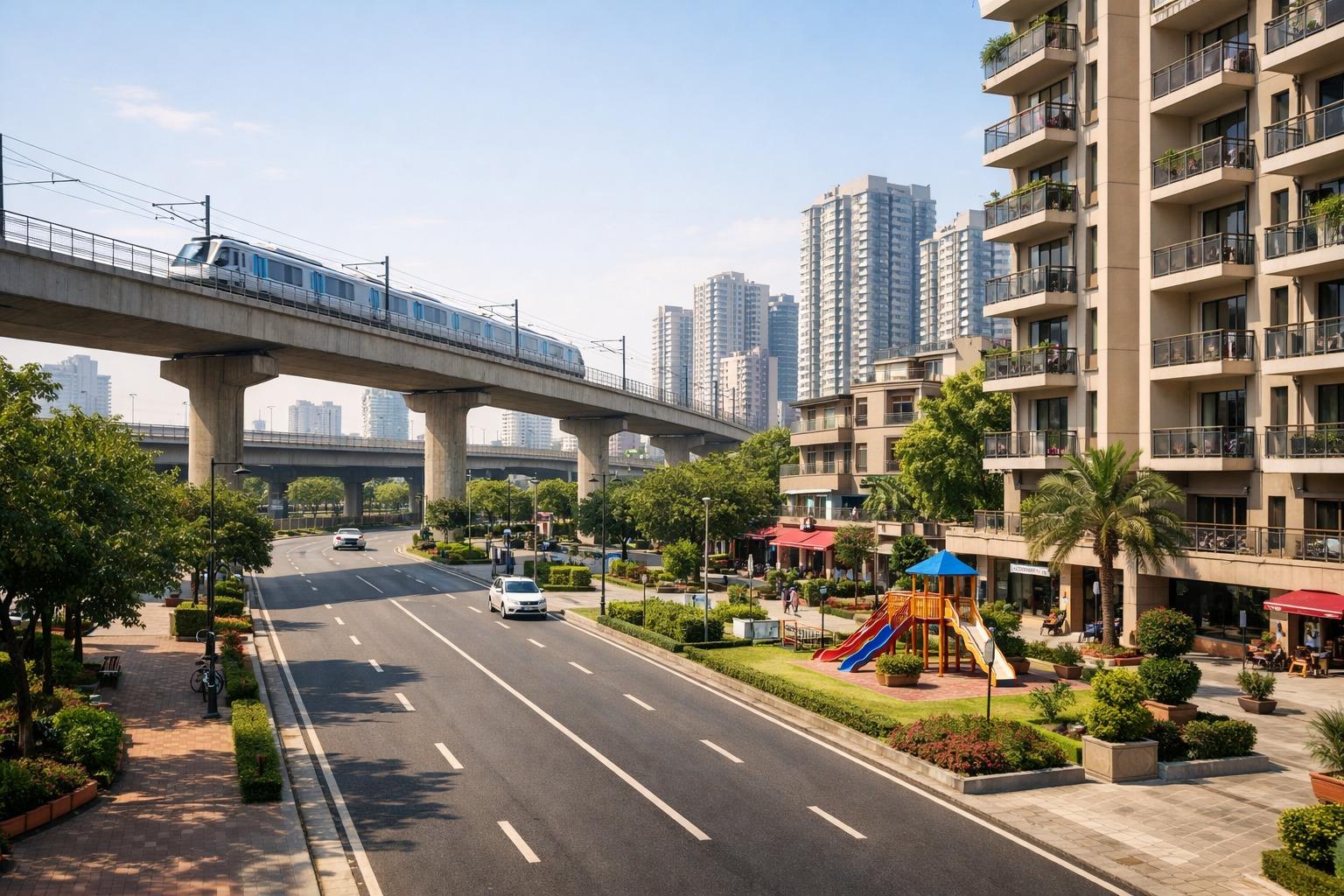
Modern infrastructure impacts more than just economic factors—it enhances everyday living. Well-maintained roads, uninterrupted water and power supply, clean streets, and green parks improve the quality of life. Buyers today increasingly prioritize lifestyle when selecting homes, seeking locations that offer comfort, wellness, and environmental harmony. Sunrise-facing homes, proximity to rivers, or access to recreational spaces are becoming top considerations in major cities.
Urban Expansion and Emerging Corridors
As city centers become saturated, infrastructure development opens new regions for growth. Emerging corridors often offer attractive pricing and future potential. These areas allow developers to introduce modern, thoughtfully designed projects, while buyers gain access to upgraded amenities and enhanced connectivity. Investing in these zones can result in long-term capital appreciation, especially as projects like highways, metro lines, and IT hubs mature.
Infrastructure’s Role in Rental Yields
Infrastructure doesn’t just affect resale value; it significantly influences rental demand. Well-connected locations with essential amenities attract tenants more easily, leading to higher occupancy and premium rents. Residential and commercial properties alike benefit from proximity to schools, hospitals, offices, and entertainment zones. For investors, this means a steady income stream while enjoying property appreciation over time.
Risk Management and Due Diligence
While infrastructure is a strong growth driver, careful evaluation is essential. Project delays, policy changes, and inadequate planning can reduce expected gains. Prospective buyers and investors should monitor project timelines, verify official announcements, and assess long-term feasibility. By combining infrastructure insights with market research, investors can minimize risks while maximizing potential returns.
Strategic Investment for Long-Term Gains
For long-term property investment, infrastructure growth serves as a reliable benchmark. Areas with clear development plans offer stable returns and reduced speculative risk. Successful strategies involve monitoring government master plans, public-private partnerships, and budget allocations that indicate future projects. Early investment in strategically positioned properties often leads to both financial growth and superior living standards.
Infrastructure is more than a city’s backbone—it is a value multiplier for real estate. Improved connectivity, thriving economic hubs, and enhanced lifestyle amenities drive property appreciation and rental yields.
Summary Infrastructure development directly shapes property value, lifestyle, and investment potential. Improved roads, metro lines, and public amenities enhance accessibility, attract tenants, and increase demand. Economic hubs generate jobs, driving housing needs, while modern facilities boost quality of life. Emerging corridors offer affordable entry with high future appreciation. Strategic investments in areas backed by planned infrastructure deliver stable returns and superior living experiences. By evaluating project timelines, local amenities, and connectivity, buyers and investors can make informed, future-ready decisions that combine lifestyle benefits with financial growth.