
Structural Stability Checks for Home Buyers: A Comprehensive Guide
Summary
Ensure a safe home purchase by understanding structural stability checks. This guide helps buyers identify potential issues like cracks, uneven floors, and water damage, safeguarding their investment and well-being.

Introduction
Structural stability is the foundation of safe home ownership, yet it is one of the least understood aspects for property buyers. While finishes and layouts are easy to judge, structural strength remains hidden beneath walls and floors. Cracks, uneven settlement, or weak construction can compromise safety and reduce property lifespan. Understanding structural stability checks for buyers helps identify serious risks before purchase and ensures long-term security, durability, and peace of mind.
Why Structural Stability Matters
The structure of a building supports its entire load, including occupants, furniture, and environmental forces. Weak structures can lead to cracks, leakage, and in extreme cases, collapse. Structural issues are expensive to repair and often impossible to fully fix once occupied. Buyers who assess stability early protect their investment and personal safety.
Understanding Structural Stability in Simple Terms
Structural stability refers to a building’s ability to remain safe and functional under normal use and external forces. This includes strength of columns, beams, slabs, and foundation. A stable structure distributes loads evenly and resists settlement. Buyers do not need engineering knowledge but must know basic warning signs.
Checking Visible Cracks in Walls and Ceilings
Cracks provide early clues about structural health. Thin hairline cracks are common, but wide, deep, or diagonal cracks require attention. Buyers should inspect walls near doors, windows, and ceilings. Cracks that reappear after repair often indicate deeper issues and should not be ignored during home structural safety checks.
Inspecting Columns and Beams
Columns and beams are primary load-bearing elements. Buyers should inspect exposed columns in parking areas or basements for cracks, rust stains, or concrete peeling. These signs suggest reinforcement corrosion or stress. Damaged load-bearing elements directly affect building stability.
Checking Slab Condition and Uneven Floors
Slabs form floors and roofs. Buyers should walk across rooms to detect slopes or unevenness. Sagging slabs or floors that feel soft underfoot indicate load distribution problems. Uneven flooring is a common sign of settlement-related structural issues in buildings.
Foundation and Basement Inspection
Foundations support the entire structure. Buyers should inspect basements or stilt areas for water seepage, cracks, or exposed reinforcement. Persistent dampness weakens concrete over time. Foundation problems are serious and costly to address.
Door and Window Alignment as Structural Indicators
Doors and windows that jam or misalign over time may signal structural movement. Buyers should check if frames appear tilted or uneven. Structural settlement often reflects through repeated alignment problems.
Checking for Water Seepage and Rust
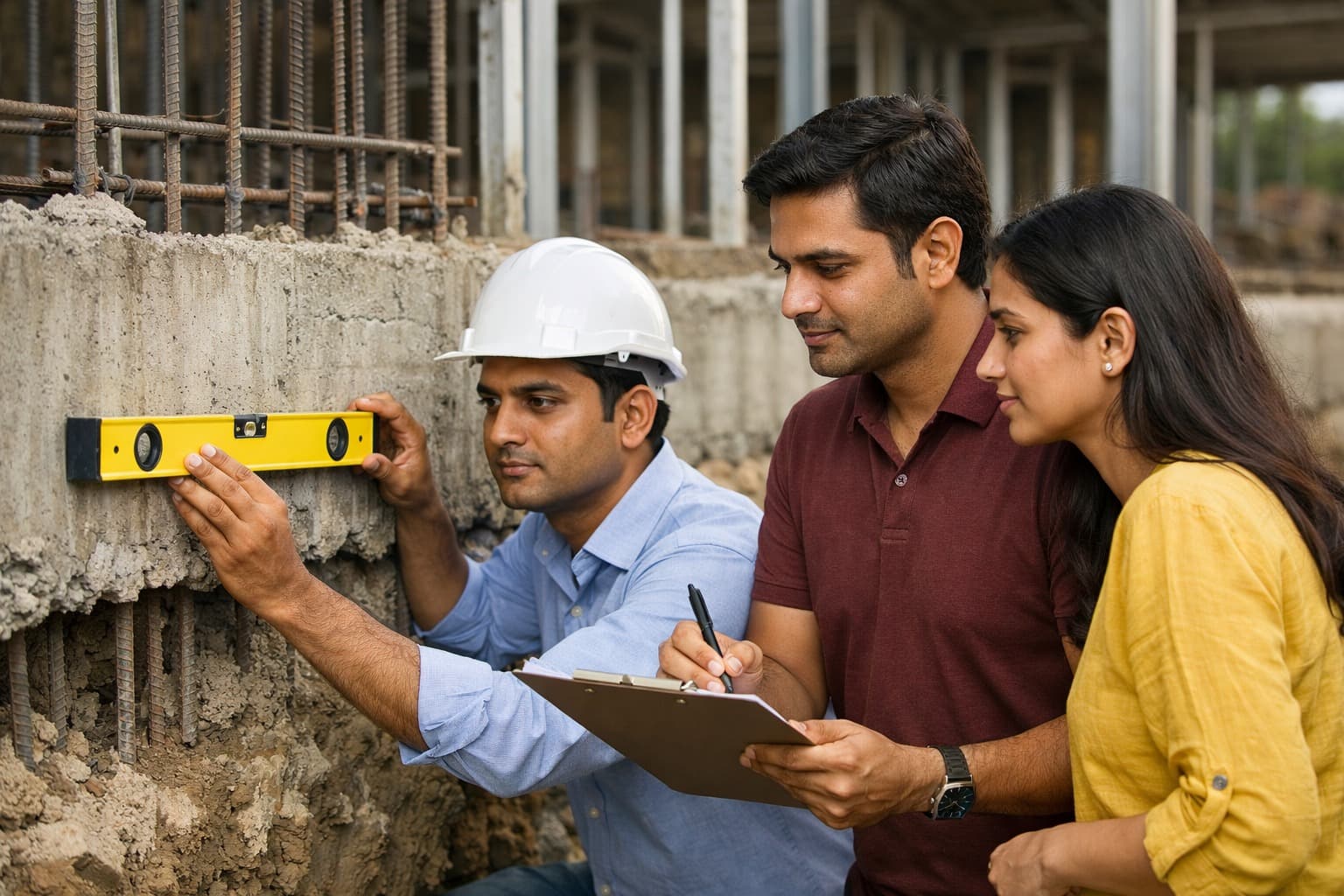
Water intrusion weakens structural elements. Buyers should inspect ceilings, beams, and columns for rust stains or damp patches. Long-term seepage corrodes reinforcement steel, reducing load capacity. This is a critical part of building structural inspection.
Age of Building and Maintenance History
Older buildings naturally require closer inspection. Buyers should inquire about age, renovation history, and major repairs. Lack of regular maintenance accelerates structural deterioration. Well-maintained older buildings can still be structurally sound.
Signs of Poor Construction Quality
Honeycombing in concrete, uneven plaster, or exposed steel rods indicate poor construction practices. Buyers should look closely in parking areas where structural elements are visible. Poor workmanship increases long-term risk.
Assessing Load-Bearing Changes
Unauthorized modifications such as removing walls or altering layouts can weaken structures. Buyers should verify whether internal changes were approved. Structural alterations without engineering assessment pose serious safety threats.
Checking Expansion Joints and Building Movement
Large buildings include expansion joints to handle thermal movement. Buyers should check whether joints are intact and not sealed improperly. Blocked joints restrict movement and cause cracks over time.
Importance of Structural Stability Certificates
For older buildings, structural stability certificates indicate professional assessment of safety. Buyers should ask whether such evaluations exist. While certificates do not replace inspection, they add confidence during pre-purchase structural stability inspection.
Earthquake and Environmental Considerations
Buildings in seismic zones must follow specific structural norms. Buyers should verify compliance with applicable safety codes. Structures designed for environmental conditions offer better long-term safety.
Role of Professional Structural Inspection
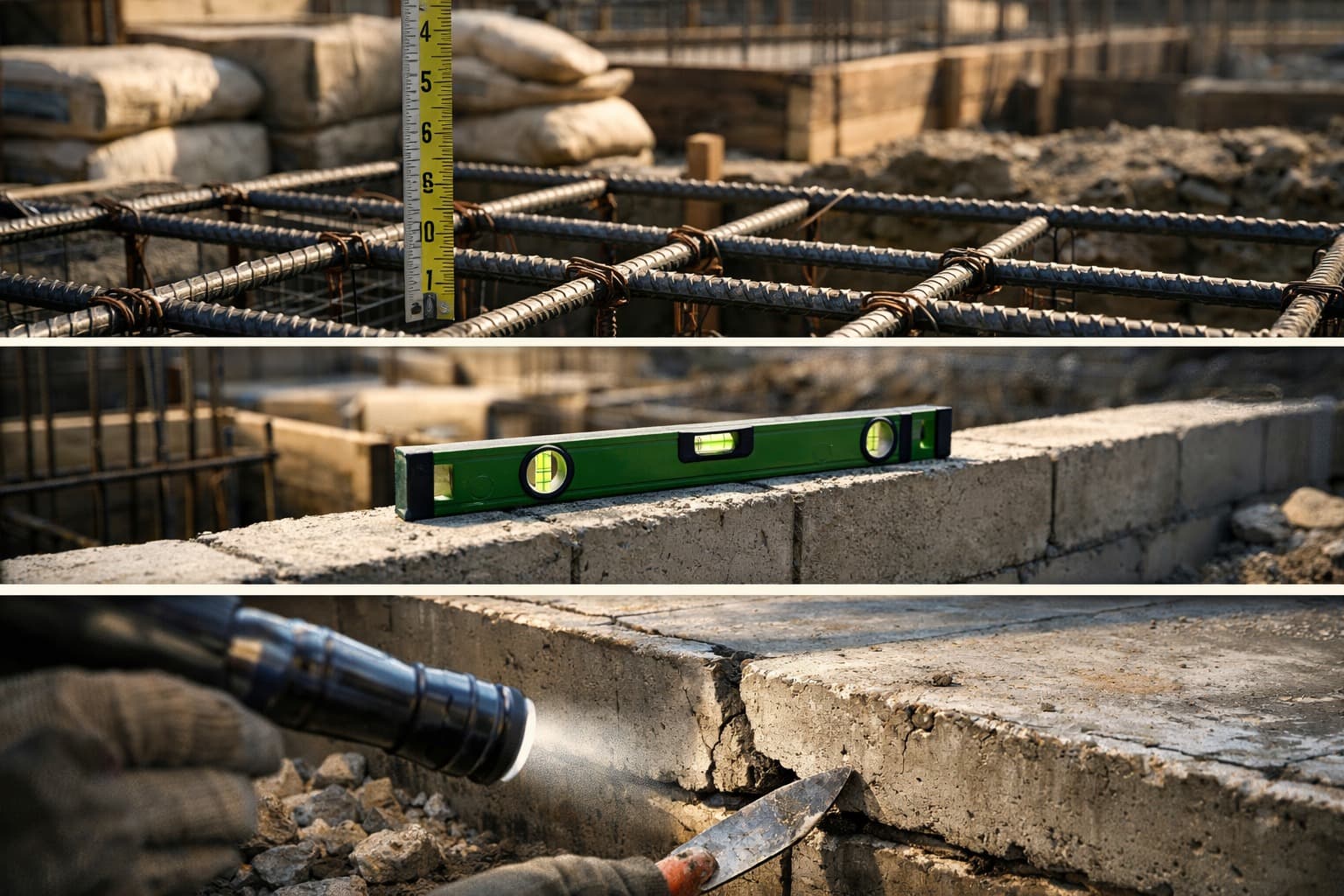
While buyers can identify surface signs, professional engineers assess hidden risks. Structural audits involve load analysis and material testing. Buyers considering resale properties or high-rise buildings should consider expert evaluation.
Impact of Structural Issues on Property Value
Structural instability reduces resale value and insurance acceptance. Buyers often avoid properties with known structural problems. Early detection protects financial and personal interests.
Common Buyer Mistakes Regarding Structural Checks
Many buyers assume new buildings are automatically safe. Others ignore small cracks. These assumptions lead to regret. A cautious approach prevents future distress.
Questions Buyers Should Ask Developers or Sellers
Buyers should ask about structural design, approvals, and maintenance practices. Honest responses reflect construction quality and accountability.
Preparing for Structural Inspection
Inspection should include common areas, basements, and parking zones. Buyers should observe patiently rather than rush. Structural clues are often subtle.
Making a Safe Buying Decision
Structural stability determines how safe and durable a home will be over decades. Buyers who understand structural stability checks for buyers make informed decisions and avoid hidden dangers. Safety should always outweigh aesthetics in property selection.
Summary
Structural stability is a critical factor buyers must evaluate before purchasing a property. Visible cracks, uneven floors, rust stains, seepage, and misaligned doors can indicate deeper structural issues. Columns, beams, slabs, and foundations should be carefully inspected, especially in older buildings. Structural problems are expensive and difficult to repair after possession. Buyers should assess maintenance history, watch for construction quality signs, and consider professional inspection when needed. Following structural stability checks helps buyers ensure long-term safety, durability, and protection of their investment.