
Stove Positioning for Positive Energy in the Kitchen: Feng Shui and Vastu Guidelines
Summary
Discover how to position your stove for positive energy using Feng Shui and Vastu guidelines. Learn about ideal placements, element balancing, and adapting principles for a harmonious, prosperous kitchen.

Introduction
In both Feng Shui and Vastu Shastra, the kitchen is considered one of the most powerful spaces in a home. It represents nourishment, health, and financial stability. At the centre of the kitchen’s energy lies the stove, which symbolises the fire element and the household’s source of sustenance. Correct stove positioning helps maintain balance, supports positive energy flow, and contributes to overall family well‑being.
Importance of Stove Placement in Energy Balance
The stove is not just a functional appliance; it plays a symbolic role in managing prosperity and health. Improper placement can disturb energy flow, while thoughtful positioning supports harmony. Both Feng Shui and Vastu emphasise that the stove should be placed with care, avoiding direct conflict with entryways, water elements, and unstable surroundings.
Relationship Between Stove and Main Entrance
In Feng Shui, the stove should not be directly visible from the main entrance. The main door is the channel through which energy enters the home. If the stove aligns directly with this flow, it is believed to weaken financial stability and disrupt household harmony. Ideally, the cook should have a view of the doorway while cooking, but the stove itself should not face or align directly with it.
Ideal Stove Position Within the Kitchen
From a Feng Shui perspective, the stove performs best when placed diagonally opposite the kitchen entrance. This position allows energy to gather and settle rather than rush out. The stove should also have a solid wall behind it. Placement in front of windows is discouraged, as it creates energetic instability and practical safety concerns.
Avoiding Sharp Corners and Negative Angles
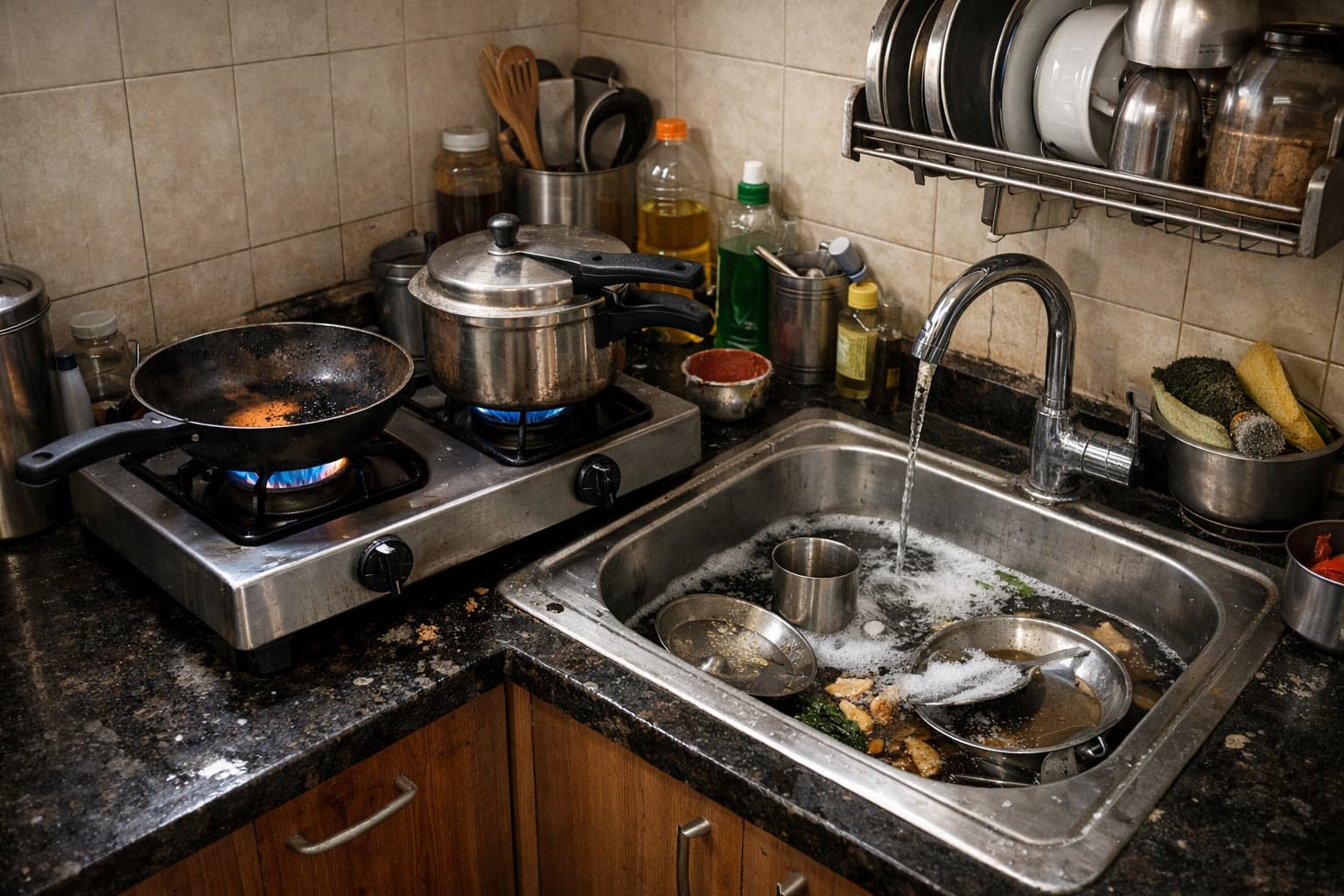
Sharp edges from cabinets, walls, or countertops pointing toward the stove are considered sources of negative energy. Since the stove represents nourishment, such sharp angles are believed to affect appetite, health, and emotional balance. Rounded edges or careful layout planning helps soften this impact and maintain harmony.
Managing Fire and Water Element Conflicts
The stove represents fire, while sinks, refrigerators, and washing machines represent water. Direct alignment or close proximity between these elements creates imbalance. To avoid conflict, the stove should not face the refrigerator or sit immediately beside the sink. If space limitations exist, a buffer such as a countertop or preparation zone helps neutralise opposing energies.
Colour and Material Choices Around the Stove
Excessive use of red near the stove can intensify fire energy, leading to restlessness or tension. Balanced colours such as off‑white, light grey, or soft yellow help moderate energy. Materials like stone countertops and metal fixtures support harmony, while overuse of dark colours associated with water should be avoided.
Kitchen Location and Directional Considerations
According to Feng Shui, placing a kitchen in the northwest sector of the home is considered unfavourable, as this area symbolises authority and leadership energy. Fire in this zone may affect career stability and decision‑making. Similarly, kitchens should not occupy the central axis of the house, as this disrupts overall energy circulation.
Vastu Guidelines for Stove Direction
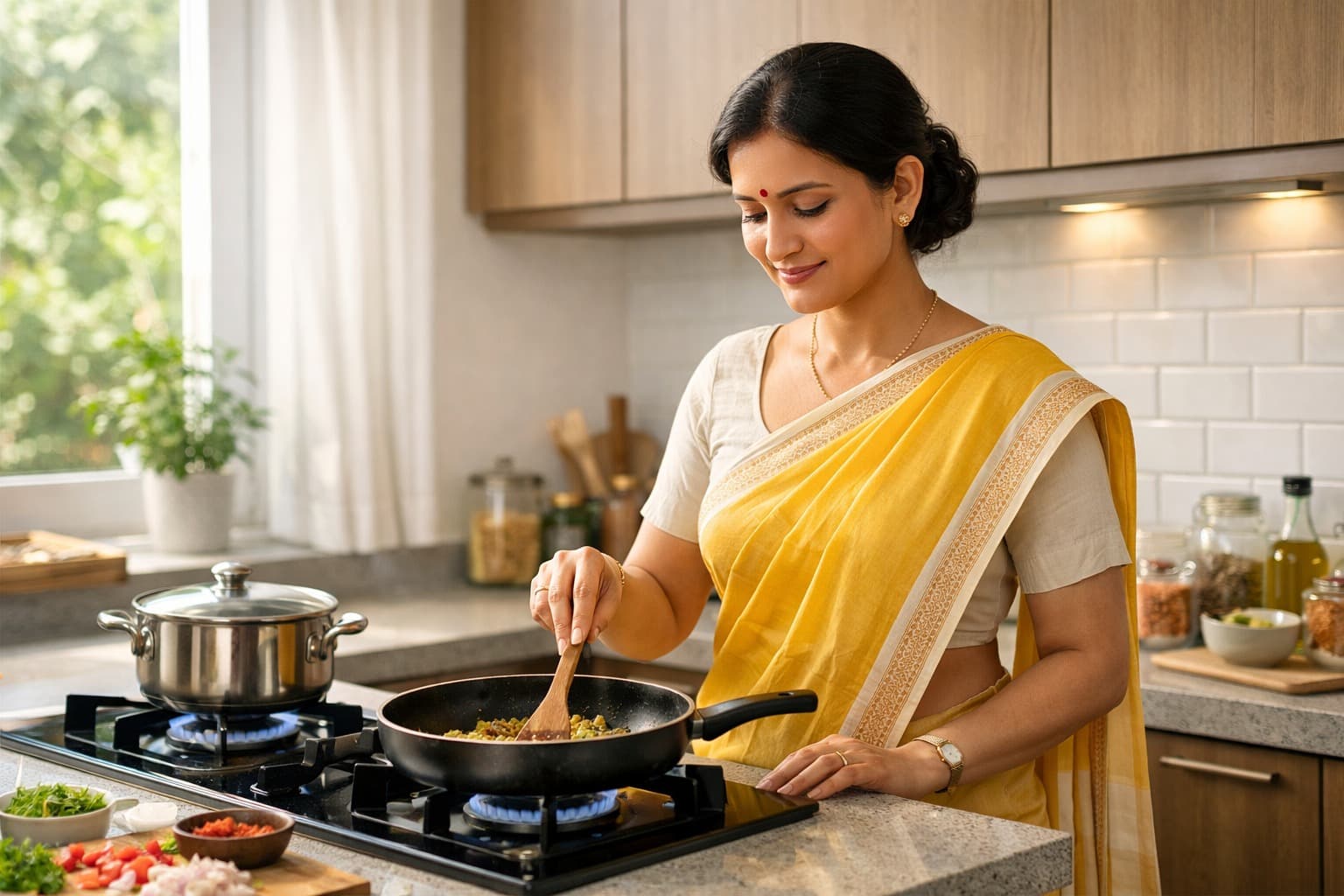
Vastu Shastra recommends placing the stove in the southeast corner of the kitchen, which aligns with the fire element. Cooking while facing east is considered beneficial for health and prosperity. If the southeast is not available, the northwest may be used cautiously. The northeast, however, should always be avoided for stove placement.
Avoiding Other Negative Influences
Stoves should not face bathroom doors, as this creates an energy clash between cleanliness and waste. Overhead beams above the stove are also discouraged, as they are believed to impact health, particularly for women. Where beams exist, ceiling treatments can help reduce their effect.
Adapting Traditional Principles to Modern Homes
Modern kitchen layouts do not always allow perfect alignment with traditional rules. In such cases, small adjustments can help. Kitchen islands, wooden elements, indoor plants, or subtle dividers can soften energy conflicts. The goal is balance, not rigid rule enforcement.
Maintaining Positive Kitchen Energy
Energy balance is not achieved through placement alone. A clean, well‑maintained stove symbolises stable nourishment and financial flow. Clutter‑free countertops, proper ventilation, and natural light support positive energy. Adding fresh herbs or plants enhances vibrancy and freshness.
Conclusion
Correct stove positioning plays a vital role in maintaining positive energy within the kitchen. By respecting principles from Feng Shui and Vastu Shastra, homeowners can create a space that supports health, harmony, and prosperity. While guidelines provide direction, practical adaptation and comfort should guide final decisions, ensuring the kitchen remains a welcoming and nourishing space for the entire household.