
Reverse Mortgage: Senior Citizens Apne Ghar Se Paisa Kaise Kama Sakte Hain?
Summary
A Reverse Mortgage (RML) allows Indian senior citizens to receive tax-free monthly payments by mortgaging their self-owned home while continuing to live in it. It's a vital tool for financial independence, letting them unlock home equity and providing security without selling their property.

Ek Alag Tarah Ka Karz
Most Indians spend their working lives paying off a home loan. You take the loan, you pay the EMI every month for twenty years, and eventually the house becomes fully yours. A reverse mortgage flips that entire relationship on its head.
Instead of you paying the bank, the bank pays you. Every month. While you continue living in the same house, in the same neighbourhood, with the same keys in your pocket.
This is the essential idea behind a Reverse Mortgage Loan, or RML. And for senior citizens who own a home but have limited monthly income, it is one of the most practical financial tools available in India today.
Kaise Kaam Karta Hai Yeh Scheme
The National Housing Bank introduced the RML scheme in India back in 2008. Today it is available through 25 banks and housing finance institutions across the country, including SBI, Bank of Baroda, Indian Bank, and several housing finance companies.
Here is how it works. A senior citizen who owns a property mortgages it with the bank. The bank assesses the property's market value and then disburses a fixed amount to the borrower every month over the agreed loan tenure. You do not repay anything while you are alive. You simply keep receiving the payments and continue living in your home.
The bank eventually recovers the loan after the borrower's passing, either by the family repaying the outstanding amount or by the bank selling the property. If the property sale fetches more than the outstanding loan amount, the excess goes to the legal heirs.
Kaun Apply Kar Sakta Hai
The eligibility rules are simple. Any Indian resident above 60 years of age who owns a self-acquired, self-occupied, and debt-free residential property can apply. Married couples are eligible to apply jointly as long as one of them is above 60.
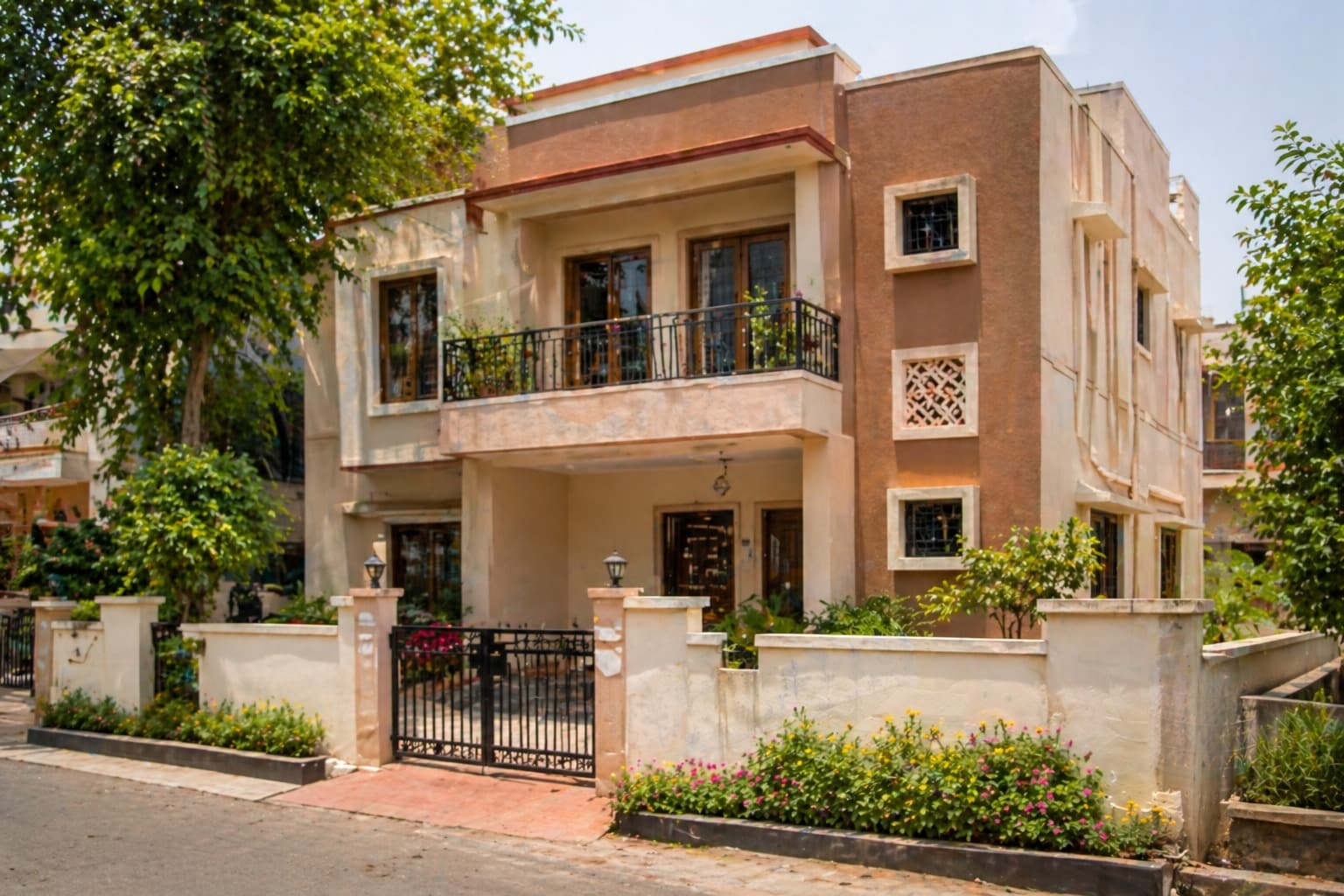
The property must be free of any existing loan or mortgage. It must be the borrower's permanent primary residence. Importantly, ancestral or inherited properties cannot be used for a reverse mortgage. The home must be something the applicant bought and owns in their own name.
Kitna Paisa Milega Har Mahine
The monthly payment depends on three things: the assessed value of the property, the loan tenure chosen, and the interest rate the bank charges.
As per NHB guidelines, the maximum monthly payout under a standard reverse mortgage loan is capped at ₹50,000. For medical emergencies specifically, lenders can also disburse a lump sum of up to ₹15 lakh in addition to regular payments. The loan tenure typically runs up to 15 or 20 years.
Take a practical example. If a bank values a property at ₹80 lakh and offers a 15-year tenure at a 10 percent interest rate, the borrower might receive approximately ₹19,000 to ₹20,000 per month. Not a fortune, but a meaningful supplement to a pension or savings-based income for someone living in their own home.
Sabse Bada Faayda: Tax Exemption
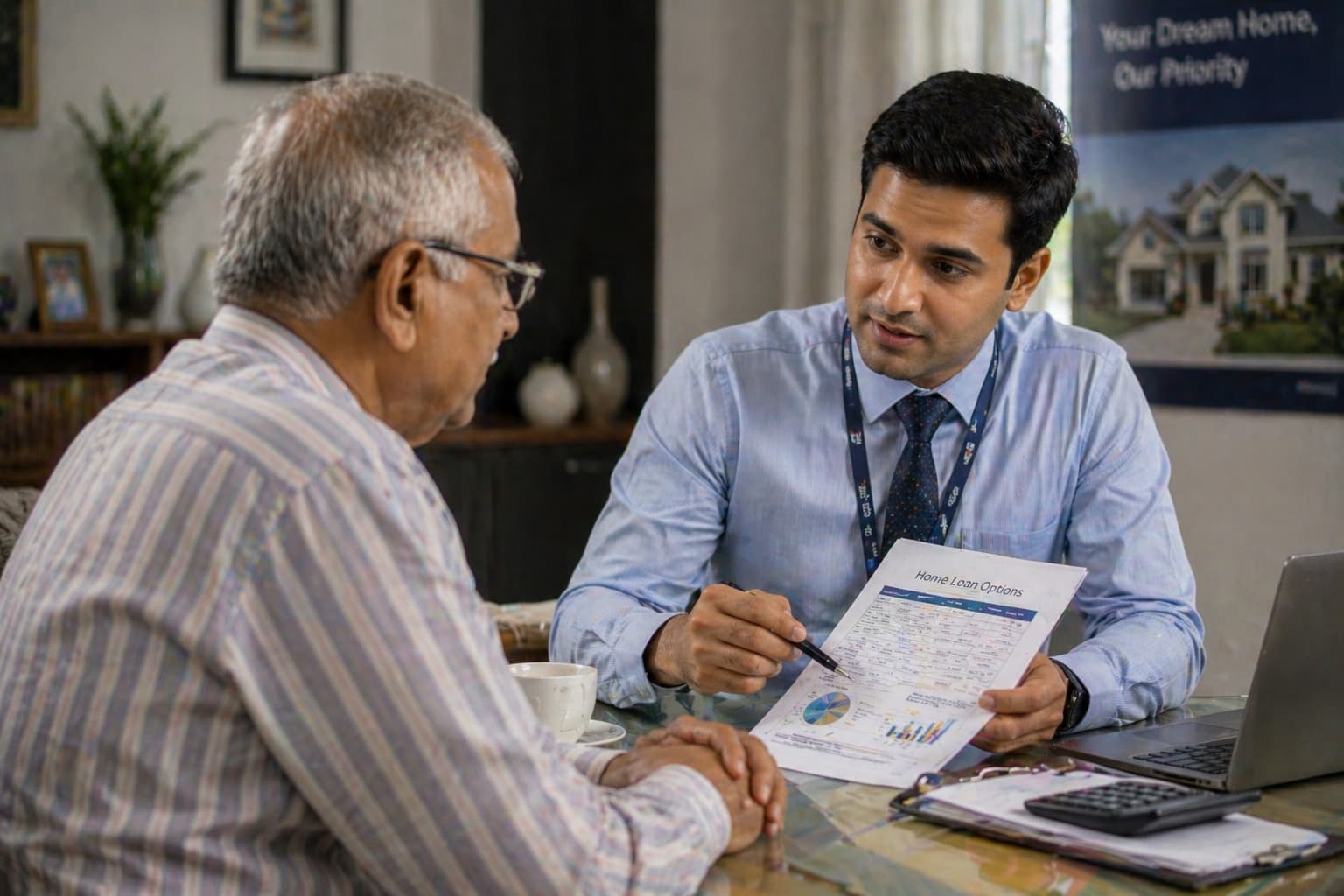
Here is a detail many seniors are not aware of. Payments received under a reverse mortgage scheme are not treated as income under the Income Tax Act. Section 10(43) specifically exempts these payouts from taxation. That means the monthly money you receive from the bank lands in your account without any deduction.
Additionally, if any portion of the reverse mortgage amount is used for home renovation or repairs, those amounts are eligible for tax deductions under existing provisions. This makes the scheme even more efficient from a financial planning perspective.
Ghar Wapas Bhi Le Sakte Ho
One concern many families raise is whether the home is permanently lost once a reverse mortgage is taken. The answer is no.
The borrower can reclaim the property at any point during the loan tenure by repaying the outstanding loan amount in full. The bank must also provide a minimum two months' notice before initiating any property sale proceedings after the borrower's demise. Legal heirs always get the first right to repay and retain the property. The bank steps in only when the family chooses not to exercise that right.
Kya Yeh Sahi Decision Hai
Reverse mortgage is not for everyone. If the family strongly intends to inherit the property, a frank conversation needs to happen first. But for a senior citizen with no dependents, or one whose children are settled abroad and unlikely to return, this scheme offers genuine financial independence without the trauma of selling the family home.
In a country where social security is thin and medical costs keep rising, using the equity locked inside a home to fund retirement is not just smart. For many, it may be the most dignified choice available.
Summary
Reverse mortgage is a powerful but underused financial tool for senior citizens in India who own property but need regular monthly income. Governed by NHB guidelines and offered by over 25 banks, the RML scheme lets homeowners mortgage their property to receive monthly payouts of up to ₹50,000, completely tax-free under Section 10(43). With heirs retaining the right to reclaim the property by repaying the loan, this scheme balances financial security for seniors with the emotional importance that Indian families place on their homes.
Video will be embedded from: https://www.youtube.com/watch?v=iNJFyCFaYJA