
RERA Carpet Area Explained: A Complete Guide for Homebuyers
Summary
This guide explains RERA carpet area, ensuring homebuyers understand usable space. It covers the RERA definition, inclusions, exclusions, and its importance in sale agreements for transparency and fair pricing.

RERA Carpet Area Explained: What Every Homebuyer Must Know
Understanding the RERA Definition of Carpet Area
The Real Estate (Regulation and Development) Act introduced a standard definition of carpet area to protect homebuyers and promote transparency in property transactions. Under this legal framework, carpet area is defined as the net usable floor area within the apartment’s internal walls. It explicitly excludes areas such as external wall thickness, terraces, balconies, verandahs, and common areas shared with other occupants. This RERA definition ensures that what a buyer pays for matches the usable space they receive. Before RERA, developers sometimes used inconsistent methods to calculate space, leading to confusion and disputes. The regulated definition brings uniformity and fairness to how property area is presented in agreements and marketing materials.
Why Carpet Area Matters to Buyers and Developers
Carpet area directly affects the price a buyer pays, as many developers price homes based on the usable space inside the apartment. When a buyer understands the carpet area clearly, they can assess the real value of a property and compare different options more accurately. For developers, following the RERA carpet area standards builds trust and reduces litigation risks. Buyers who compare projects often look at carpet area per square foot to assess value for money. A transparent and consistent definition removes ambiguity and aligns expectations between buyers and sellers. Ultimately, this benefits the real estate sector by encouraging ethical practices and protecting consumer interests.
What Is Included in RERA Carpet Area and What Is Not
Under the RERA definition, the carpet area includes only the actual usable spaces within the walls of the apartment. This means bedrooms, living rooms, kitchens, bathrooms, internal passages, and utility spaces are part of the usable area. Areas that are not part of the carpet area include external walls, balconies, terraces, verandahs, and spaces shared for common utilities. Developers must not include these non-usable spaces when declaring the carpet area in sale agreements. This clear distinction protects buyers from paying for space that they cannot actually use inside their homes. Knowing exactly what is included helps buyers plan interior layouts and estimate actual living space.

How RERA Carpet Area Is Used in Sale Agreements
Real estate regulations require developers to mention the carpet area explicitly in the agreement for sale. This figure serves as the basis for calculations related to total pricing and applicable taxes. When the carpet area is clearly stated, buyers can verify that they are paying for actual usable space rather than surface measurements that inflate perceived size. The agreement document should also explain any applicable variation limits permitted by regulation. Ensuring the carpet area mentioned in the contract aligns with the developer’s measurement helps safeguard buyers’ interests and ensures compliance with legal standards.
How to Calculate Carpet Area According to RERA Standards
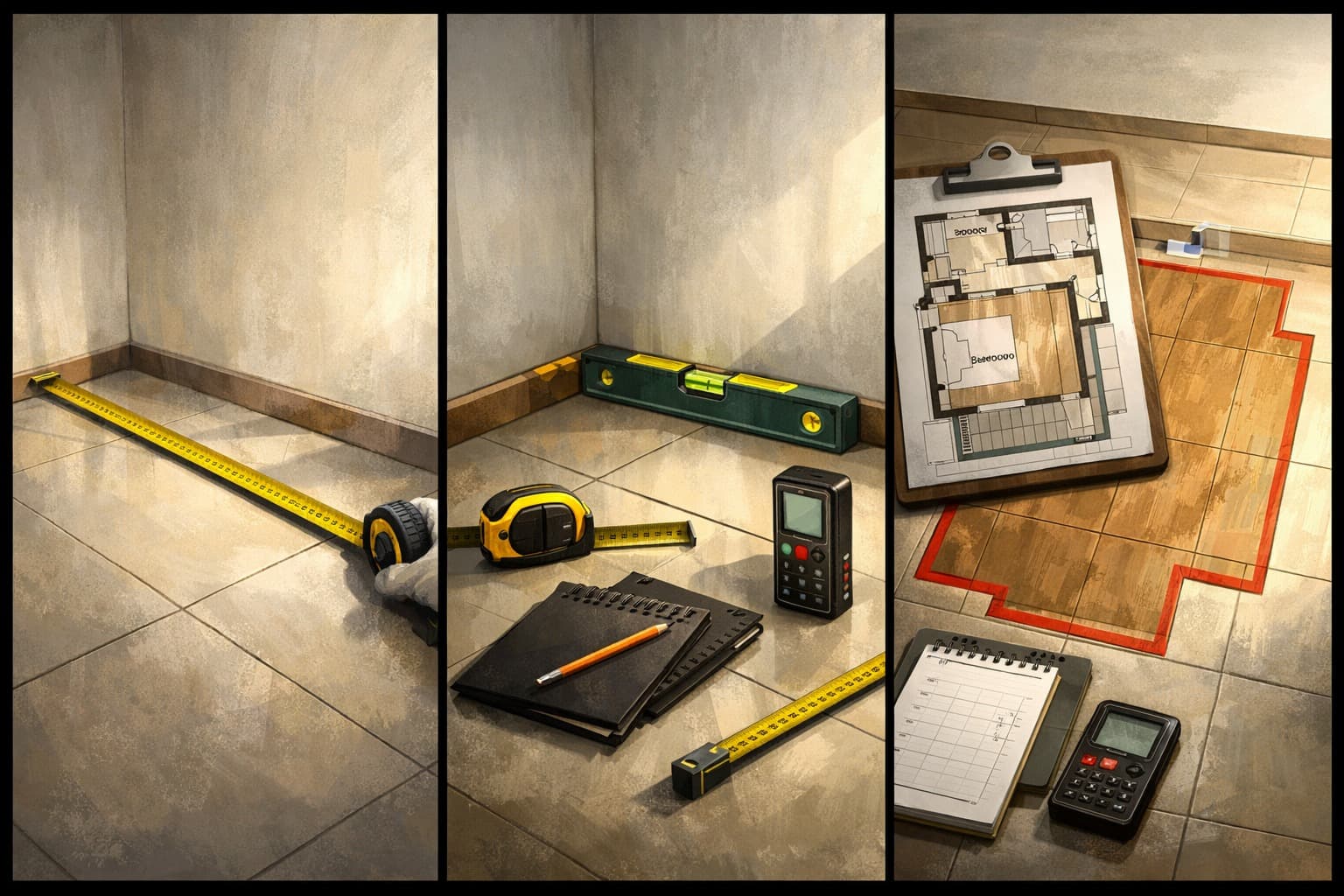
Calculating carpet area involves measuring the internal finishes of the flat from the inside of walls. This includes spaces used for everyday activities such as living rooms, bedrooms, kitchens, and internal passageways. To compute carpet area, multiply the length and width of each room, then sum the areas of all usable rooms. Ensure that measurements stay within internal wall boundaries; avoid including external walls or balcony spaces. Once the total usable area is established, this figure should match the RERA carpet area stated in the agreement. Accurate calculation gives the buyer a clear understanding of actual useable space and how much they are paying for.
Understanding Permissible Variations and Practical Application
While the RERA carpet area has a defined meaning, minor variations between planned and delivered area may occur due to construction tolerances. Regulations allow limited variance within a permissible range, which must be clearly disclosed in the sale agreement. Buyers should review this clause before signing to understand how any deviation from declared measurements will be handled. Permissible variation cannot be used to include non-carpet areas such as balconies or common spaces.
Benefits of RERA Carpet Area Definition for Urban Real Estate Markets
Standardizing the carpet area helps the real estate market in multiple ways. Developers who follow RERA norms gain credibility and reduce disputes. Buyers have a uniform basis for comparing projects and estimating costs. Transparent area reporting fosters healthy competition among developers to offer better value for the carpet area delivered. Real estate professionals also benefit from clarity when advising clients on property investment decisions. Over time, the consistent application of RERA carpet area standards has strengthened buyer confidence and contributed to more sustainable real estate growth.
Challenges Buyers Should Watch For in Carpet Area Claims
Despite the legal definition, some buyers still encounter inconsistencies in how developers present space. A common challenge is when sales brochures highlight figures that mix carpet area with built-up or super built-up space. Buyers must look for the term carpet area specifically stated according to RERA standards. They should also verify if the agreement for sale clearly defines area and permissible variations.
Summary
The standard RERA definition of carpet area ensures homebuyers understand exactly how much usable space they are purchasing. Under this definition, only internal areas within the walls of a flat — such as living rooms, bedrooms, kitchens, and internal passages — count toward the carpet area. External walls, balconies, and common spaces are excluded. Clearly stating carpet area in the sale agreement helps protect buyers, enhances market transparency, and supports confident real estate investment decisions.