
Premium Social Infrastructure vs Premium Amenities: What Matters More?
Summary
Choosing a home? While premium amenities catch the eye, strong social infrastructure like schools, hospitals, and transport truly shapes daily life and long-term value. Smart buyers prioritize both, recognizing infrastructure's lasting impact beyond flashy brochures.

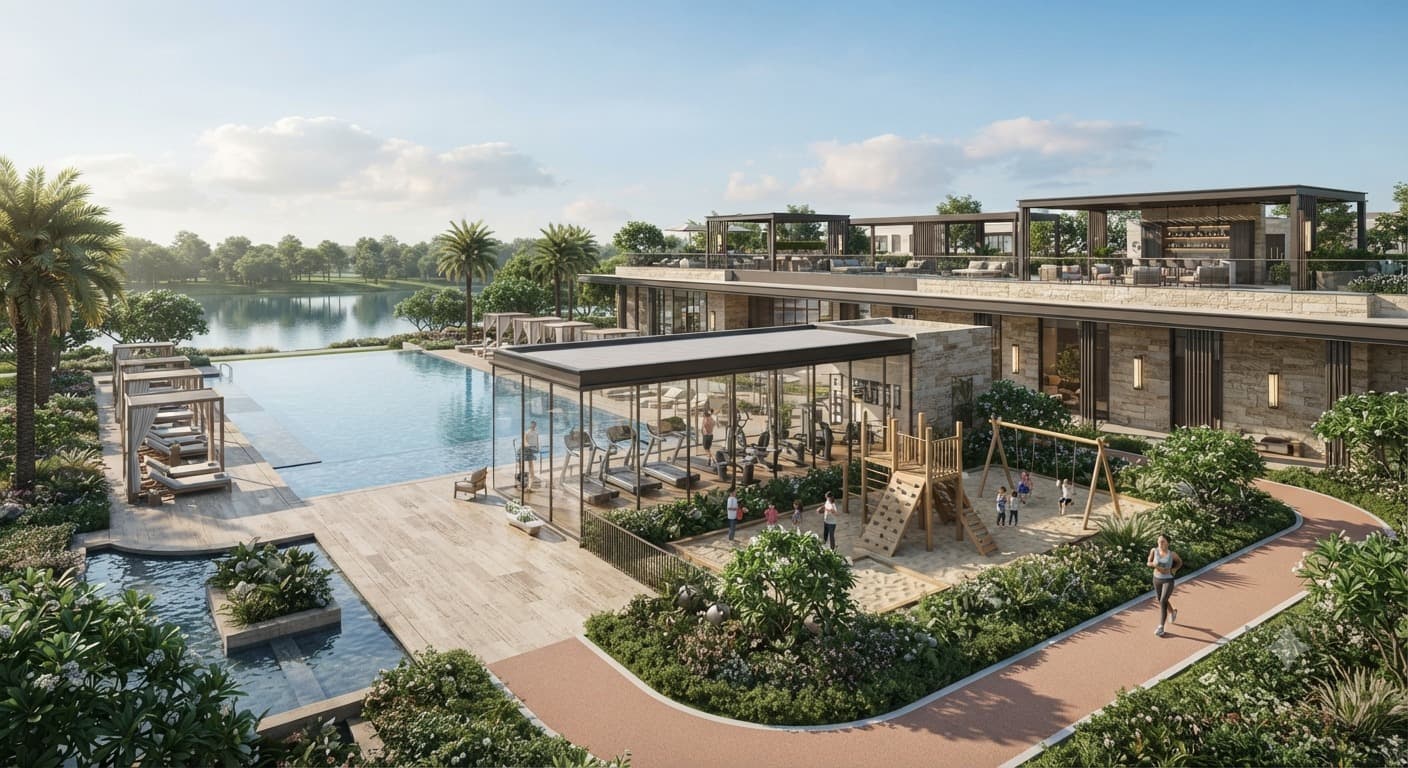
Walk into any premium project's sales office and the pitch usually starts the same way. A rooftop pool here, a curated clubhouse there, maybe a padel court thrown in for good measure. But ask a resident who's lived there three years what actually shapes their daily life, and the answer often has nothing to do with the pool.
Two Different Promises Being Sold
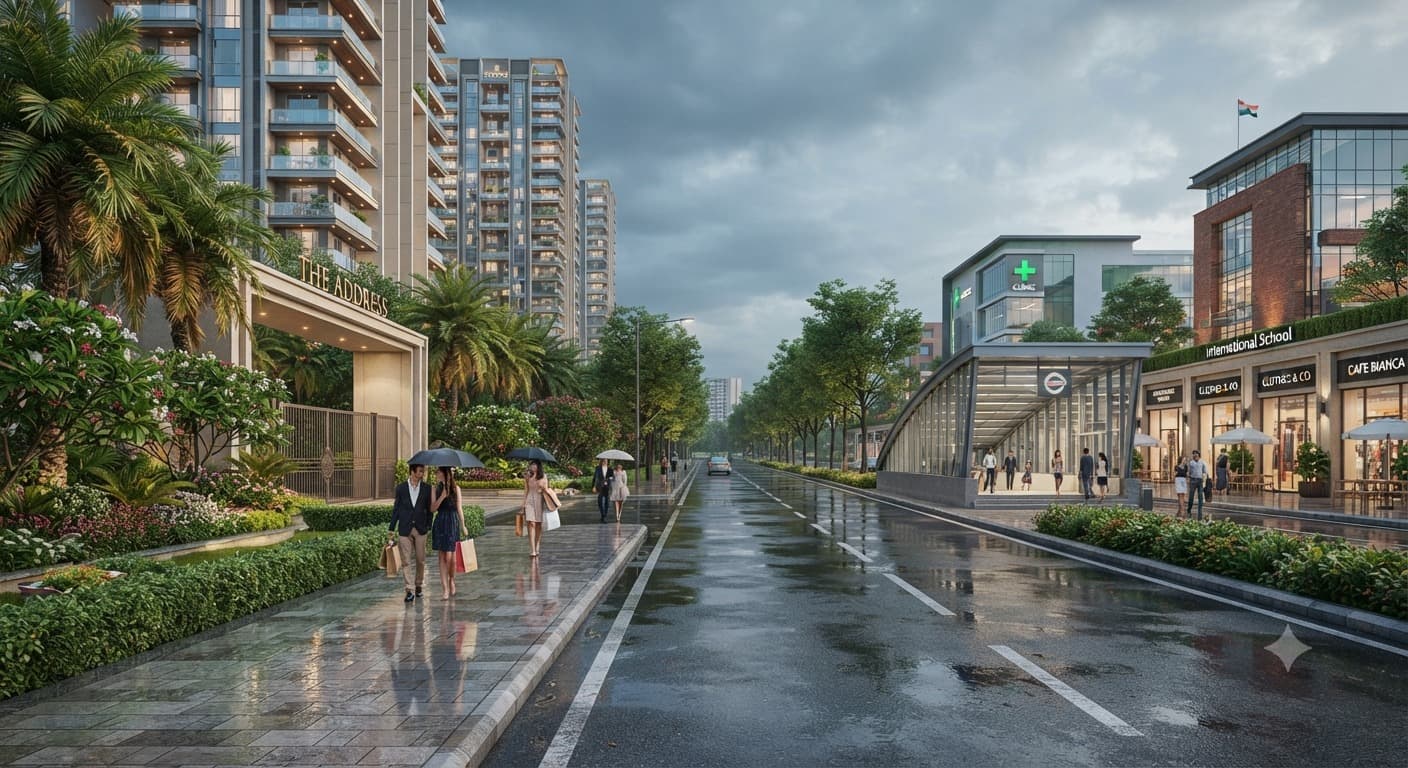
Amenities are what you see in the brochure. Social infrastructure is what you live with. A gym inside your building is convenient, sure, but a reliable school within fifteen minutes, a hospital you can trust in an emergency, and roads that don't flood every monsoon, these decide whether a home actually works for a family long term. One sells the dream at signing, the other determines whether that dream survives the next decade.
Why Amenities Win the First Impression Every Time
There's a reason developers lean so heavily on amenities when marketing a project. They're visible, photographable, and easy to compare across brochures. A jacuzzi photographs beautifully, a nearby government hospital does not. Buyers walking through a sample flat respond to what's in front of them, and amenities are built precisely for that moment of persuasion.
But Social Infrastructure Is What You Actually Use
Think about your own week honestly. How many times did you use the building's yoga deck versus how many times you drove your child to school, picked up groceries, or needed a pharmacy open late at night? For most families, the answer isn't close. Social infrastructure isn't glamorous, but it's the stuff daily routines are actually built on.
The Resale Angle Nobody Talks About Enough
Here's something interesting that buyers often discover too late. Projects surrounded by strong social infrastructure tend to hold their resale value better over time, even when the building itself has fewer flashy amenities. A flat near a good school zone or a functioning metro corridor attracts buyers years down the line, while a project known mainly for its amenities can start feeling dated once the paint fades and the pool needs repairs nobody funded properly.
Where the Two Actually Overlap
It's not entirely an either-or situation though. The best integrated townships manage to offer both, building internal amenities while also anchoring themselves near hospitals, schools, and transit lines that already exist or are coming soon. Premium social infrastructure paired with thoughtfully designed amenities is really the sweet spot, not a compromise between two competing ideas.
What Gets Neglected Once the Sale Is Done
Maintenance tells its own story here. Amenities, especially the elaborate ones, come with recurring upkeep costs that societies often struggle to sustain a few years in. A poorly maintained infinity pool becomes an eyesore fast. Social infrastructure outside the gate, roads, hospitals, schools, doesn't depend on your society's maintenance fund at all, which makes it a far steadier bet over a fifteen or twenty year horizon.
A Buyer's Honest Checklist
Before getting swept up by a rendering of a sky lounge, it's worth asking harder questions. Where's the nearest reputed school, and is it actually within a reasonable commute? Is there a multi-speciality hospital nearby, not just a clinic? Does the area have functioning public transport, or will every errand require a car? These questions rarely come up during a site visit, yet they matter more than almost anything else in the brochure.
So Which One Actually Matters More
If forced to pick one, social infrastructure wins for anyone planning to live in the home rather than flip it. Amenities add comfort and a certain lifestyle appeal, and there's nothing wrong with wanting that. But comfort without a functioning neighbourhood around it tends to wear thin, usually right around the time the initial excitement of moving in fades and real life settles back in.
Summary
Choosing between premium amenities and premium social infrastructure isn't really about luxury versus necessity, it's about what a home needs to function well over years, not just at first impression. Amenities create appeal during the sale, while schools, hospitals, and transport access shape everyday living and long term resale value. The smartest buyers look past the glossy brochure and evaluate both, understanding that a well located home with strong social infrastructure ages far better than one leaning solely on lifestyle add-ons.