
Pre-Possession Inspection: A Comprehensive Guide to Inspecting Your New Flat
Summary
Ensure a smooth handover of your new flat with our comprehensive pre-possession inspection guide. Learn essential checks from legal documents to structural integrity and amenities, protecting your rights and investment.

Introduction
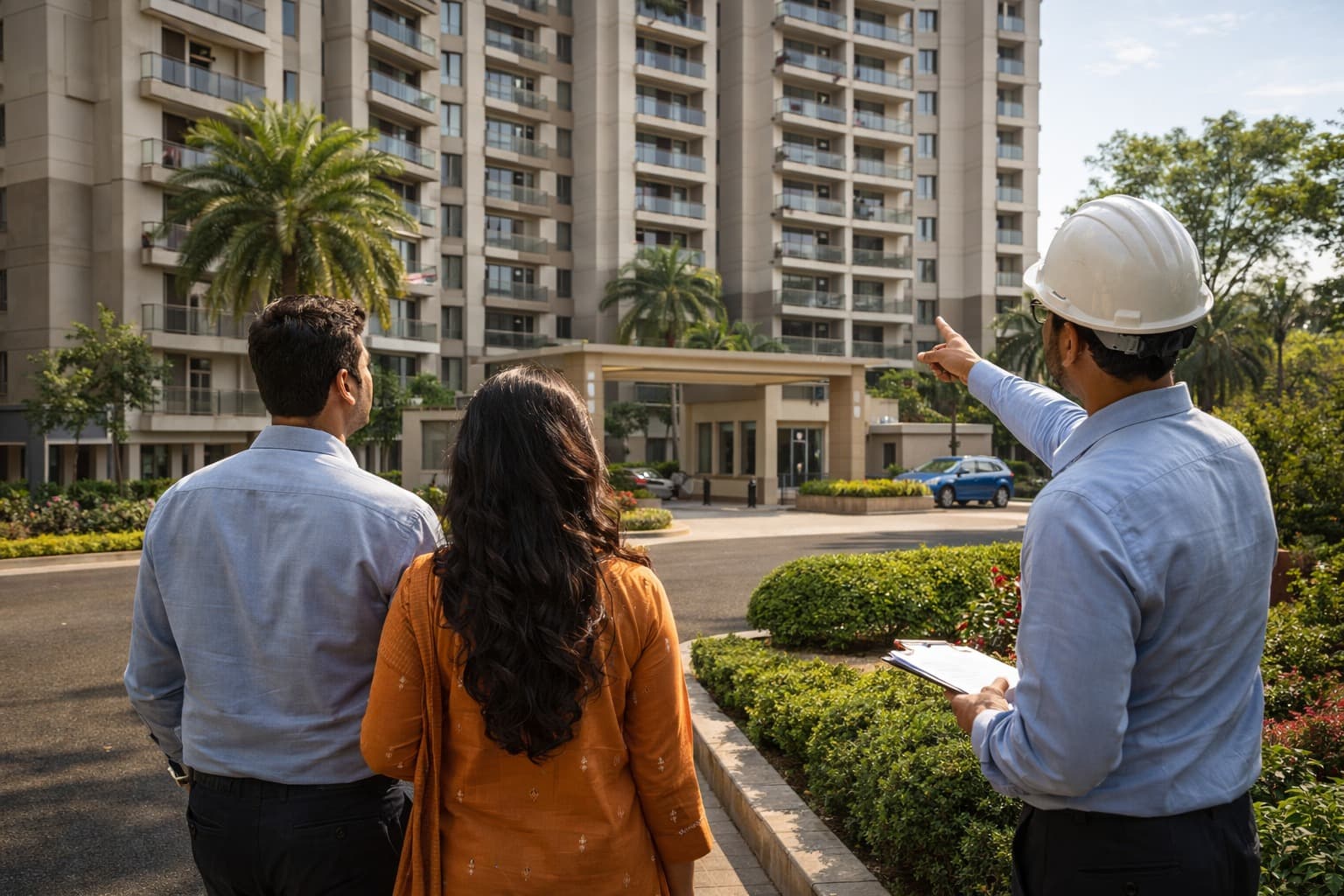
Taking possession of a new flat is one of the most anticipated moments in a homebuyer's journey. It is also one of the most important ones to get right. Once you sign the possession letter and accept the keys, the builder's direct legal obligation to fix pre-existing defects becomes significantly harder to enforce. Most buyers walk through the flat with a family member, glance at the walls, check the bathrooms and feel satisfied. That is not an inspection. That is a tour. Here is what an actual pre possession home inspection India looks like, and why every item on this checklist earns its place.
Start With Documents, Not the Flat
Before you even step inside, verify the paperwork. The most critical document is the Occupancy Certificate, commonly called the OC. This certificate is issued by the local municipal authority, whether BBMP in Bengaluru, MCGM in Mumbai or PMC in Pune, after confirming that the building conforms to approved plans, fire safety norms and structural safety standards.
Under RERA, builders must obtain the OC before offering possession. A building without a valid OC is legally unfit for occupancy. Taking possession without it can mean problems getting electricity and water connections in your name, difficulty with home loan disbursals, and complications at resale. Verify the OC number on your state's RERA portal and match it against the certificate the builder provides. Do not accept photocopies as substitutes for verification.
Also check the Completion Certificate, which confirms that construction matches the sanctioned plans, and ensure your name and flat details are correctly reflected in all possession documents before signing anything.
The Structure: What to Look for in Walls, Ceilings and Floors
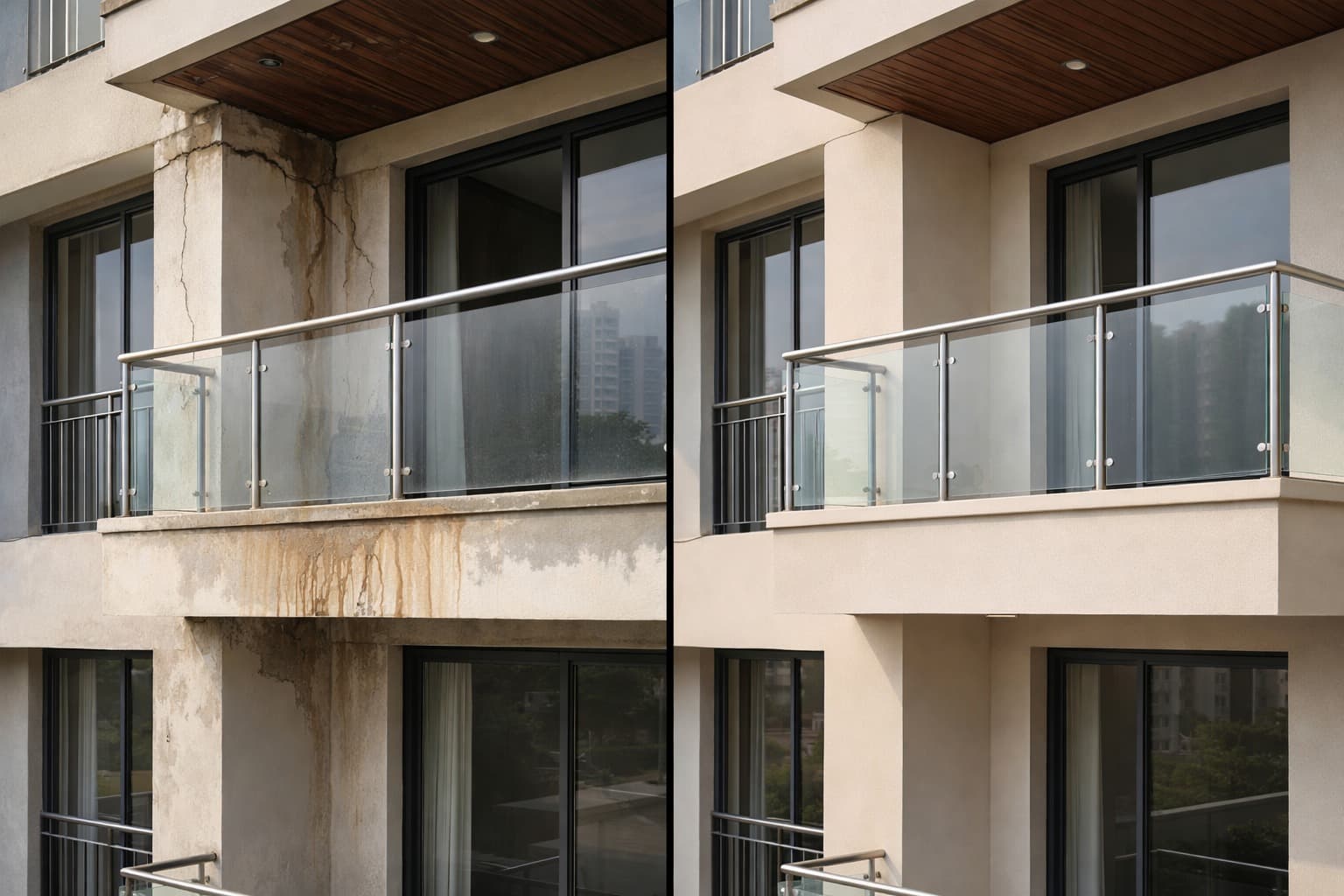
Cracks are the first thing every experienced inspector looks for in a builder completed tower inspection checklist. Not all cracks mean structural failure, but they do mean something. Hairline cracks in plastered walls from shrinkage are common and manageable. Cracks that radiate diagonally from the corners of windows and doors, or that run along load-bearing walls, are more serious and warrant a structural engineer's assessment before you accept possession.
Check the ceiling of every room for damp patches, water stains or areas where paint has bubbled or peeled. This is especially important for top-floor flats and for any flat located below another flat's bathroom. Run your palm along walls in bathrooms, kitchen walls and balcony edges to feel for dampness that is not visible to the eye. Professional inspection services use moisture metres and thermographic cameras to detect hidden seepage that looks dry on the surface.
Check the flooring for hollow tiles. Tap each tile with a knuckle or coin and listen for a hollow sound, which indicates the tile has not bonded properly to the base and will crack under load eventually. Uneven flooring is another issue worth noting. Balcony floors must slope slightly outward to drain rainwater. If they slope inward, water will pool against the flat and cause seepage over time.
Plumbing and Water Systems
Turn on every tap in every bathroom and the kitchen simultaneously. Check water pressure, drainage speed and pipe joint quality. Slow drainage almost always means a slope issue in the plumbing that the builder needs to fix before possession. Check under every sink and behind every toilet for any visible leaks or poorly sealed joints.
Run water into the bathroom floor drain and watch whether it drains cleanly within 30 seconds. Standing water in a bathroom that is barely a few months old is a waterproofing failure, not a minor issue. Request the builder to demonstrate waterproofing quality in terraces and wet areas if you are inspecting a top or transfer-floor flat.
Verify that the overhead water tank capacity matches what was promised in your sale agreement. Check whether your flat has an individual water metre or a shared one for the tower, and confirm this matches what was stated at booking.
Electrical and Safety Systems
Test every single switch, socket and plug point in the flat. Bring a simple plug-in socket tester available for a few hundred rupees at any electronics store. It tells you instantly whether each socket is correctly wired, earthed and phase-correct. Incorrectly wired sockets are a common defect in quickly constructed towers and a genuine safety hazard.
Check the MCB distribution board inside your flat. Confirm the number of circuits matches what was promised. Verify that there is a dedicated circuit for the air conditioner in each bedroom, a separate circuit for the kitchen appliances, and that the earthing is properly done.
Test that when main power is cut, backup power switches on cleanly within the promised duration. Confirm that the DG backup covers your flat's essential circuits, not just common areas.
Fire safety is non-negotiable. Verify that fire extinguishers are installed in the building's common areas and that smoke detectors in your flat are functional. Ask the builder to demonstrate the fire alarm system during your inspection. Under the OC process, fire safety clearance is mandatory, but the physical presence and functionality of equipment must be verified independently.
Common Areas and Amenities
The flat itself is only part of what you paid for. Walk every common area before accepting possession. Check the lift operation, lobby finishes, corridor lighting, staircase railings and the rooftop or terrace if included in your purchase.
Visit the clubhouse, swimming pool, gymnasium and any other amenities that were part of the project's pitch. Many builders hand over flats before amenities are complete, then use possession timelines as leverage. Under RERA, all amenities promised in the agreement must be delivered, and any deficiency can be raised as a complaint. Document anything incomplete with photographs and dates before signing possession documents.
Check the building's perimeter for waterproofing, facade quality and whether the external painting is uniform and complete. Inspect the car parking area, confirm your designated space is clearly marked, and verify the parking access works as promised.
How to Raise Defects Formally
Do not accept a verbal assurance that something will be fixed after you move in. Any defect you identify must be recorded in writing, either through the builder's official snag list or via a registered letter before you sign possession. Under RERA, builders are liable to fix structural defects reported within five years of possession at no cost to the buyer.
Photograph every defect with a timestamp before handing anything to the builder's team. Keep a copy for your own records. If the builder refuses to acknowledge defects in writing, do not accept possession until it is resolved or escalated formally through the state RERA complaint portal.
Summary
A complete flat possession checklist for a builder's completed tower covers legal documents including OC and Completion Certificate verification on the state RERA portal, structural checks for wall cracks and damp patches, apartment handover inspection India items including tile adhesion and floor slope, plumbing tests for water pressure and drainage, electrical checks including socket wiring and MCB verification, and amenity inspection for common areas and clubhouse. Common construction defects found in new apartments India include seepage, hollow tiles, drainage slope errors and electrical wiring mistakes. Documenting every defect in writing before signing possession is the only way to protect your rights under RERA and the builder's five-year structural defect warranty.