
Power of Attorney for Property Purchase in India: A Comprehensive Guide
Summary
A Power of Attorney (POA) simplifies property transactions in India, especially for NRIs. Understand POA types, legal frameworks, and safeguards to ensure secure real estate dealings. Proper registration and diligent agent selection are crucial.

Introduction
In today’s fast-moving property market, many buyers and sellers cannot always be physically present for every transaction. This is where power of attorney property arrangements become extremely useful. In property POA India, such documents help people manage deals from a distance with legal backing. Whether it is a busy professional, a senior citizen, or an overseas investor, real estate POA solutions make property management practical. Understanding POA for property is especially important for anyone handling complex assets, including those dealing with NRI property POA matters.
Understanding Power of Attorney in Real Estate
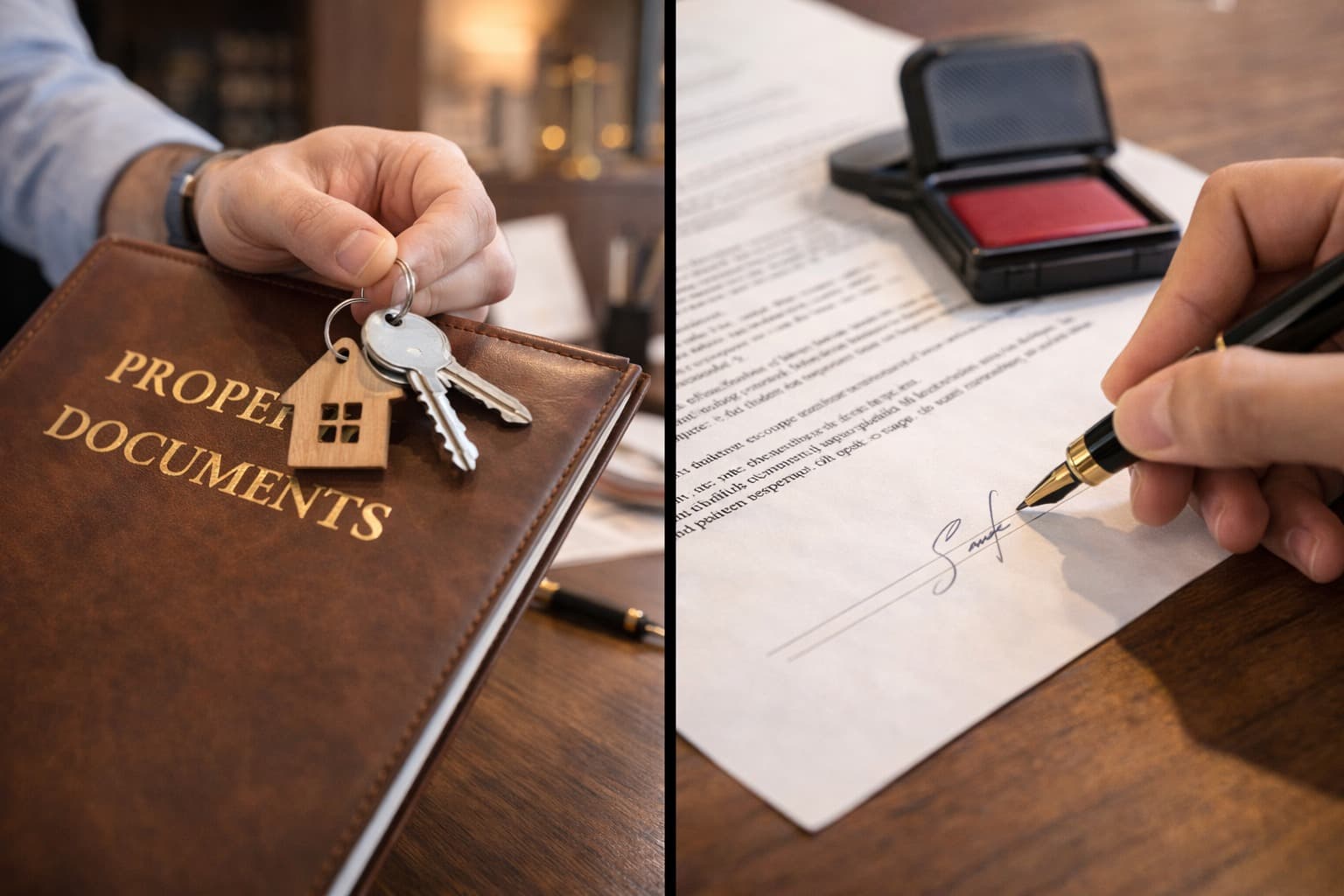
A Power of Attorney is a legal tool that allows one person to act on behalf of another. In property matters, it authorizes an agent to sign documents, attend registrations, and complete transactions. When people decide to create property POA, they are essentially trusting someone else with valuable assets. This trust must be supported by legal clarity. In Indian real estate, a properly drafted POA ensures that actions taken by the agent are legally binding and accepted by authorities.
Common Situations Where POA Is Used
Many property owners rely on POA due to practical constraints. NRIs investing from abroad, elderly parents managing assets through children, and professionals handling multiple properties often depend on such arrangements. In these cases, general power of attorney real estate options may be considered for wide authority, while others prefer limited permissions. The purpose is always the same: to ensure continuity in transactions even when the owner cannot be present.
Types of Power of Attorney for Property Deals
There are different forms of POA, and choosing the right one matters. A special power of attorney property document is used for a single, defined transaction, such as selling one flat. A general POA allows broader control over multiple properties and activities. Durable and conditional versions are also used for long-term planning. Each type serves a different need, and selecting the wrong one may lead to future disputes.

Legal Framework and State Requirements
The legal process for property POA registration in India involves several formal steps. A POA must be written, executed on proper stamp paper, notarized, and registered. Rules differ across states, and compliance with stamp duty POA India regulations is essential. In Maharashtra, Karnataka, Delhi, and Tamil Nadu, authorities follow different formats and fee structures. Without proper property POA registration, the document may lose its legal strength, affecting the entire transaction.
Step-by-Step Process to Create a Valid POA
Following a structured approach is crucial for safety. This step by step guide to create property POA in India begins with drafting the document clearly. The property details, scope of authority, and transaction limits should be mentioned. Next, the document must be executed on suitable stamp paper. After signing in front of witnesses, notarization is done. The final and most critical step is registration at the local Sub-Registrar office. This formalizes the POA and protects all parties involved.
Risks and Safeguards in Property POA
While POA offers convenience, it also carries risks. Misuse of authority, fraud, and exceeding limits are common problems. These challenges highlight the importance of understanding risks and safeguards in property power of attorney. Owners should appoint only trusted individuals, set minimum sale prices, and include time limits. Regular monitoring and access to financial records also reduce chances of misuse. Legal consultation before execution adds another layer of safety.
Special Focus on NRIs and Overseas Owners
For overseas investors, POA is often unavoidable. Understanding how NRIs can use power of attorney for property purchase helps avoid compliance issues. NRIs usually need additional documents such as passport copies, overseas address proof, and embassy attestations. FEMA regulations must also be followed for fund transfers and ownership rights. Proper banking channels and legal guidance ensure that cross-border property investments remain smooth and lawful.
Cost, Revocation, and Long-Term Control
Creating a POA involves expenses related to stamp duty, registration, notarization, and legal advice. The cost of making power of attorney for property in India may vary depending on state rules and property value. Apart from costs, owners should also know how to revoke a POA when needed. A revocation deed, written notice to the agent, and registration of cancellation are essential. This ensures that outdated or misused authority does not continue.
Digital Trends and the Future of POA
Technology is slowly reshaping legal documentation in India. Some states are experimenting with online submissions, digital signatures, and video verification. These developments aim to simplify processes, especially for NRIs. Although full digital POA systems are still evolving, early initiatives indicate a future where property transactions may become faster and more transparent, with reduced dependency on physical presence.
Conclusion
A Power of Attorney is not just a document, but a responsibility. When used wisely, it simplifies transactions and saves time. When used carelessly, it can create legal trouble. By following proper procedures, choosing reliable agents, and staying informed, property owners can protect their interests. Whether managing one home or multiple investments, a well-structured POA remains a valuable tool in India’s real estate ecosystem.
Summary
A Power of Attorney plays a vital role in Indian property transactions, especially for NRIs, senior citizens, and busy professionals. It allows trusted agents to manage buying, selling, and registration processes legally. Proper drafting, stamping, notarization, and registration are essential for validity. While POA offers convenience, it also carries risks that must be managed through safeguards and regular monitoring. Understanding costs, revocation methods, and legal requirements helps property owners use POA wisely. With careful planning, it ensures smooth, secure, and hassle-free real estate dealings.