
PoA or Personal Visit: What NRIs Actually Need to Know Before Buying Property in India
Summary
The blog advises NRIs on choosing between a Power of Attorney (PoA) and a personal visit for Indian property purchases. While a legally executed Special PoA is practical for remote transactions, personal presence offers direct oversight and can be legally required for biometric verification in some cases.

Introduction
Every NRI buying property in India eventually faces the same wall. The flat looks right, the developer has a decent track record, and the price makes sense. But the paperwork, the registration appointment, the sub-registrar visit — none of it waits for a convenient international flight window. Two paths sit in front of every overseas buyer at this point. Either fly down and handle things personally, or execute a Power of Attorney and let a trusted person manage it from the Indian side. Both are legal. Neither is simple. And choosing the wrong one for the wrong situation can cost far more than a return ticket.
What a PoA Actually Does
A Power of Attorney for NRI property is a written legal instrument that allows someone in India to sign documents, appear before registration offices, and complete transactions entirely on your behalf. The person holding it, called the attorney-holder, carries the same signing authority as you do for whatever scope the document defines.
Two versions exist in practice. A General Power of Attorney hands over broad control across multiple property matters. A Special Power of Attorney, which most lawyers strongly prefer, restricts authority to a single defined transaction. If you are buying a 2 BHK in Thane, the Special PoA covers exactly that deal and nothing else. It is a tighter, safer document.
For this instrument to hold legal weight in India, it cannot simply be drafted and signed at home abroad. It must be notarised locally, then attested by the Indian Embassy or Consulate in your country of residence. Once it arrives in India, it must also be adjudicated and registered with the relevant sub-registrar office before the attorney-holder can legally act on it. Miss any of these steps and the document has no standing.

When PoA Is the Practical Choice
The honest reality is that most NRI property transactions in India happen through a PoA, and the majority complete without incident. When your job situation makes travel impossible, when leave is limited, or when the transaction involves multiple visits spread across weeks, a well-drafted Special Power of Attorney managed by a family member or a reliable lawyer is entirely workable.
The risks are manageable if you address them upfront. Designate someone whose financial integrity you would stake your savings on. Review every document before the attorney-holder signs, not after. Never use a General PoA when a Special one will do. And insist on receiving scanned copies of every signed document in real time, not at the end of the process.
When Personal Presence Changes Everything
But personal presence for NRI buyers carries advantages that no document can fully replicate. Walking through the property yourself, meeting the developer's site team, checking construction quality against what was promised on paper — these are things a PoA holder can report on but cannot experience with your eyes and judgment.
Beyond the practical, there is a legal consideration worth understanding. Even when a PoA manages the full transaction, the NRI property registration India process at the sub-registrar level sometimes requires the actual owner to be present for biometric verification, depending on the state and the property type. Checking this requirement specific to your transaction before finalising travel plans is essential, not optional.
The Honest Verdict
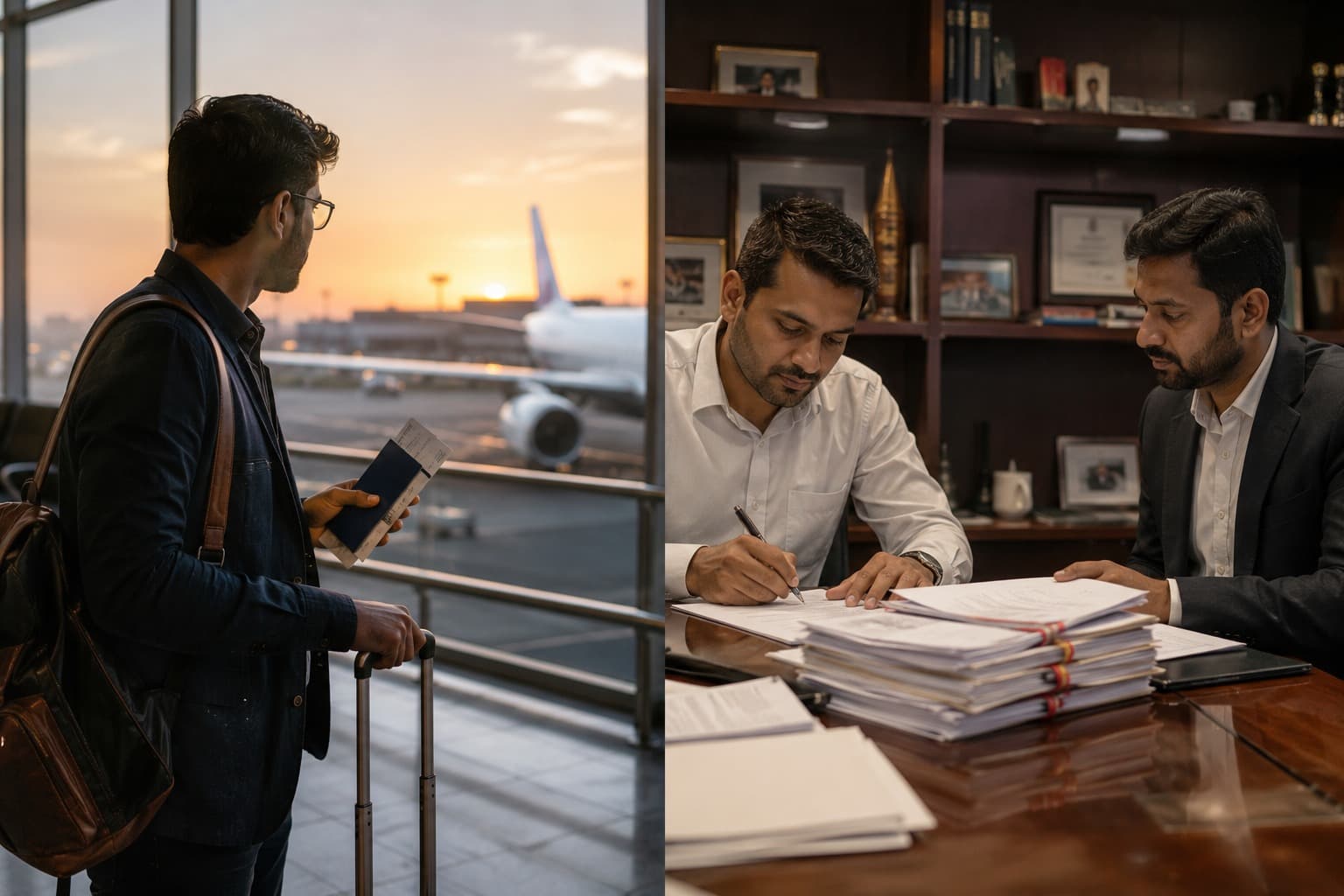
Neither approach is universally superior. If travel is feasible and the property value is significant, a personal visit to close the deal is worth the trip. For smaller transactions or unavoidable distance constraints, a properly executed Special Power of Attorney NRI arrangement with real-time document oversight works well.
Summary
The PoA vs personal presence question for NRIs buying property in India comes down to trust, deal size, and legal specifics of your state. A correctly attested and registered Special Power of Attorney for NRI property protects your interests effectively when travel is not possible. But personal presence for the final registration, wherever practicable, adds a layer of certainty that no document can entirely substitute. Verify, stay involved at every step, and never treat distance as a reason to reduce your oversight.