
Painting Frequency and Color Psychology: Home Aesthetics vs. Well-being
Summary
Home painting frequency impacts aesthetics and well-being. Interior walls need repainting every 5-7 years (3-4 for kitchens/baths), exteriors more frequently in monsoon areas. Color psychology significantly affects mood and room function; choose wisely!

Introduction
Most Indian homeowners repaint when the walls start looking visibly sad. A patch of damp here, a crack there, and suddenly the living room is getting a fresh coat after seven years of neglect. But home painting frequency is not just about aesthetics or damage control. It directly affects how a space feels to live in, how well it holds its resale value, and whether the people inside it feel calm, energised, or quietly irritated without knowing why. Color psychology home interiors is a real discipline, and pairing it with a sensible repainting schedule is one of the cheapest upgrades any homeowner can make.
How Often Should You Actually Repaint
For interior walls, a realistic home painting schedule in Indian conditions is every five to seven years for good-quality emulsion paint in low-traffic areas. Kitchens, bathrooms, and children's rooms take more punishment and typically need attention every three to four years. Exterior walls in coastal Maharashtra, Kerala, or Bengal, where monsoon intensity is high, rarely survive beyond four to five years without showing weather damage.
The grade of paint you use at the time of application determines how much you spend on repainting over a decade. A premium exterior weather-shield paint costs more upfront but holds for six to eight years. A cheap distemper needs redoing every two years and costs more in total labour and material over the same period.
What Paint Quality Does to Your Timeline
Acrylic emulsions in interior spaces last longer than PVA-based paints and clean better without fading. Oil-bound distemper, still popular in tier 2 and tier 3 cities for its low cost, chalks off faster and absorbs stains poorly. Spending Rs 80 to Rs 120 per litre more on a washable interior emulsion in high-contact areas like hallways, dining rooms, and children's bedrooms reduces repainting frequency meaningfully.
Primer application before painting is not optional if you want the stated paint life. Many contractors skip or thin the primer coat to reduce time and material cost. Insisting on a full primer coat before colour application is the single most impactful instruction a homeowner can give during a painting project.
Color Psychology: The Science Is Real
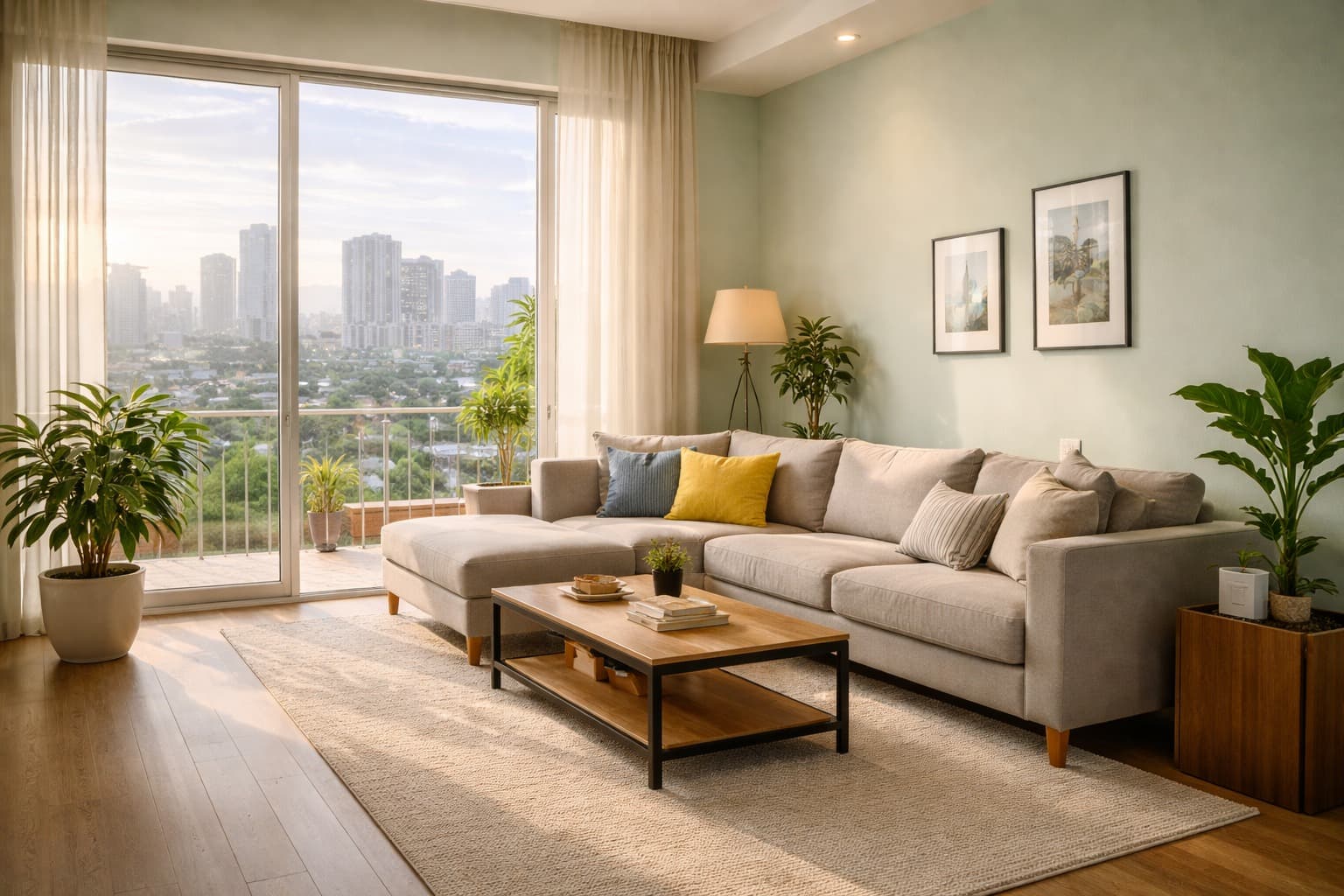
Wall color psychology operates below conscious awareness. Humans respond to colour through the limbic system, which processes emotion before the reasoning brain catches up. A room painted in a saturated red genuinely elevates heart rate and increases appetite. A cool blue-grey genuinely lowers perceived room temperature and slows mental activity toward rest. These are not interior design opinions. They are documented physiological responses.
The implications for home interior colors are practical. Matching wall colour to the function of a room is not decorative indulgence. It is designing the room to support what it is supposed to do.
Living Room: Energy Versus Calm
The living room carries the widest range of activities in an Indian home. It hosts conversations, television, guests, children's play, and occasional work from the sofa. Warm neutrals like off-white, warm beige, and muted terracotta balance visual energy without pushing the room toward either excessive stimulation or drowsiness.
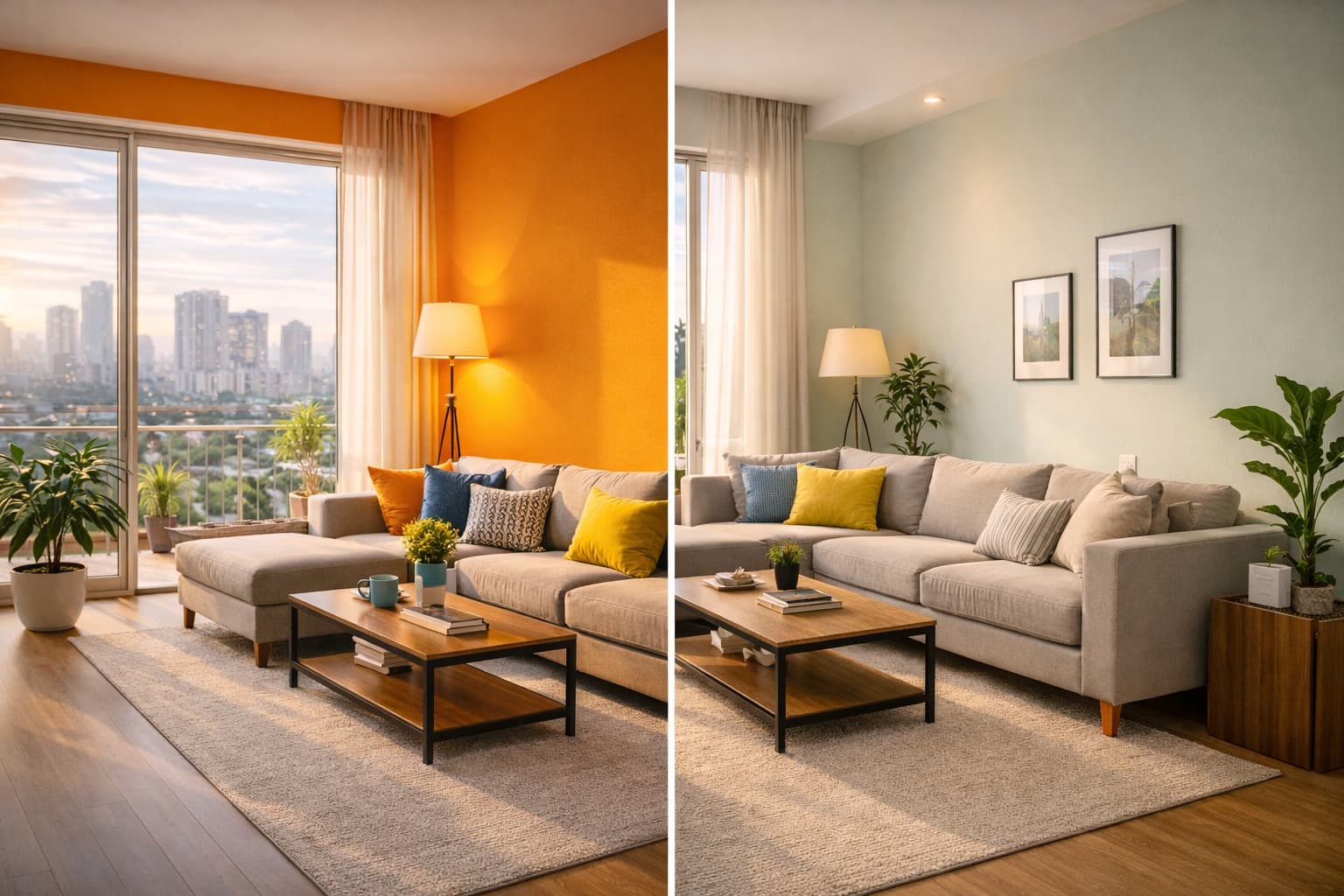
Avoid saturated yellows and oranges in small living rooms with limited natural light. They read as aggressive rather than warm in tight spaces. If you want warmth, use it as an accent on a single feature wall rather than across all four.
Bedroom Colors and Sleep Quality
The bedroom is where vastu colors home guidance and colour psychology converge most clearly. Both traditions agree that the bedroom benefits from muted, cool, and desaturated tones. Soft greens, dusty blues, warm greys, and pale lavenders consistently produce lower cortisol response and easier sleep onset than bright or high-contrast colour schemes.
Avoid white in the bedroom if you spend any time working in the same space. White amplifies light and increases alertness, which is the last thing a sleep environment needs. A warm, slightly tinted off-white is a better choice than clinical white.
Kitchen and Dining Room Choices
Kitchens benefit from colours that feel hygienic and energising without being overwhelming. Soft yellows, clean whites, sage greens, and pale blues work well. The best wall colors for peaceful home kitchens lean toward lighter values that reflect light and make the space feel larger, which matters particularly in the compact kitchen layouts common in Indian urban apartments.
Dining rooms traditionally benefit from appetite-stimulating colours. Warm terracotta, earthy orange, and deep ochre have been used in restaurant design for exactly this reason and translate well into residential dining spaces.
Children's Rooms and Study Spaces
Children's rooms are often over-coloured out of enthusiasm. Highly saturated primaries on all four walls create visual noise that works against calm play and focused study. A better approach is a neutral base with one accent wall in a mid-saturation colour the child responds to. Study corners specifically benefit from soft greens and warm whites, which support concentration without inducing drowsiness.
Summary
Home painting frequency in India should follow material reality, not just visual fatigue. Interior walls every five to seven years, kitchens and children's rooms every three to four, and exteriors on a monsoon-adjusted cycle. Color psychology is not decoration theory. It is a functional tool for making rooms support the activities they host. Match colour temperature to room function, invest in paint quality to extend repainting intervals, and treat the vastu color tips that align with psychological evidence as useful guidance rather than superstition. A well-painted home does not just look better. It actively feels better to live in every single day.