
Old Established Localities vs Emerging Neighborhoods
Summary
Choosing between old established and emerging neighborhoods in India requires balancing proven infrastructure and liquidity against growth potential and modern design. The best decision depends on individual priorities, time horizon, and risk appetite, not a universal answer.

Introduction
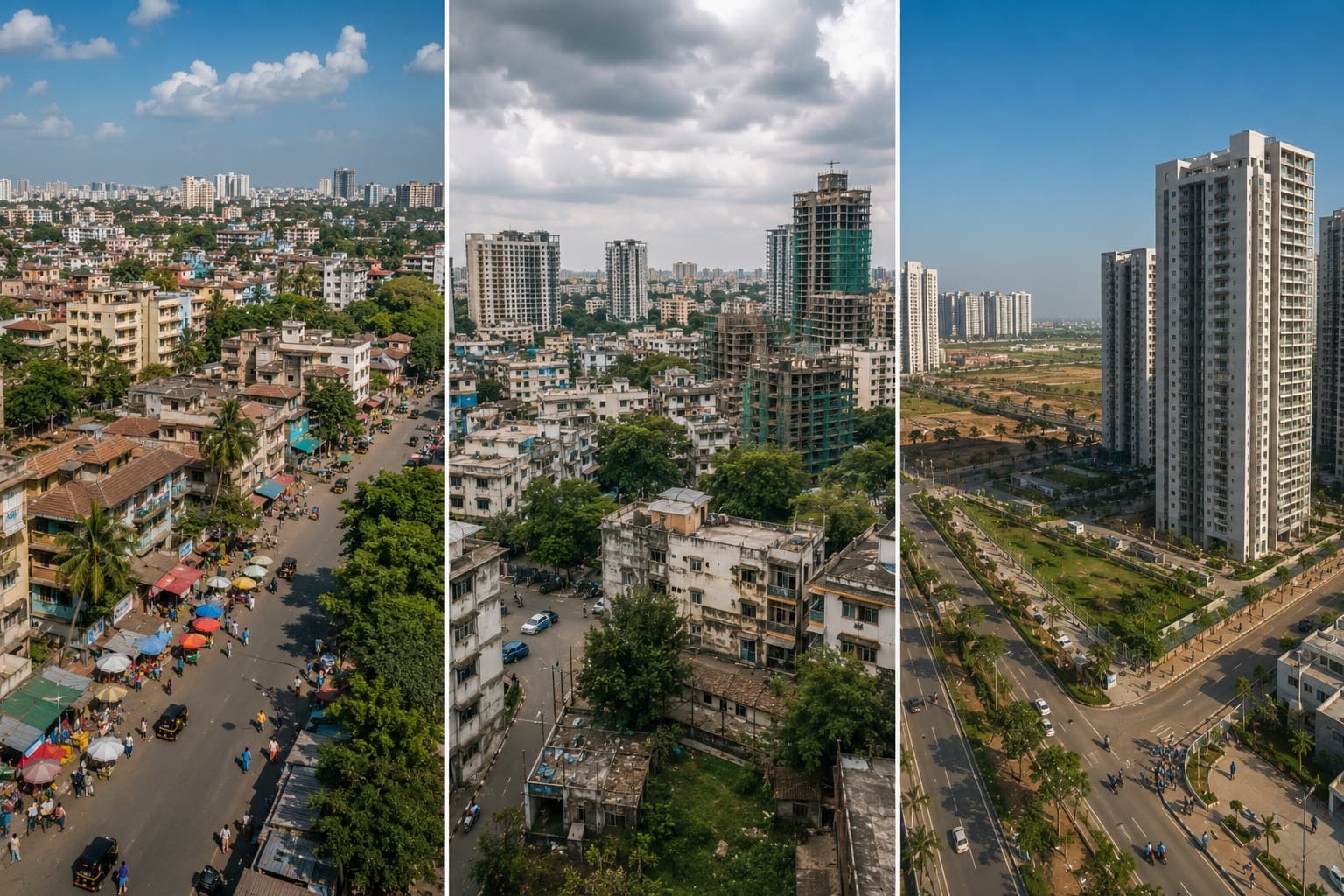
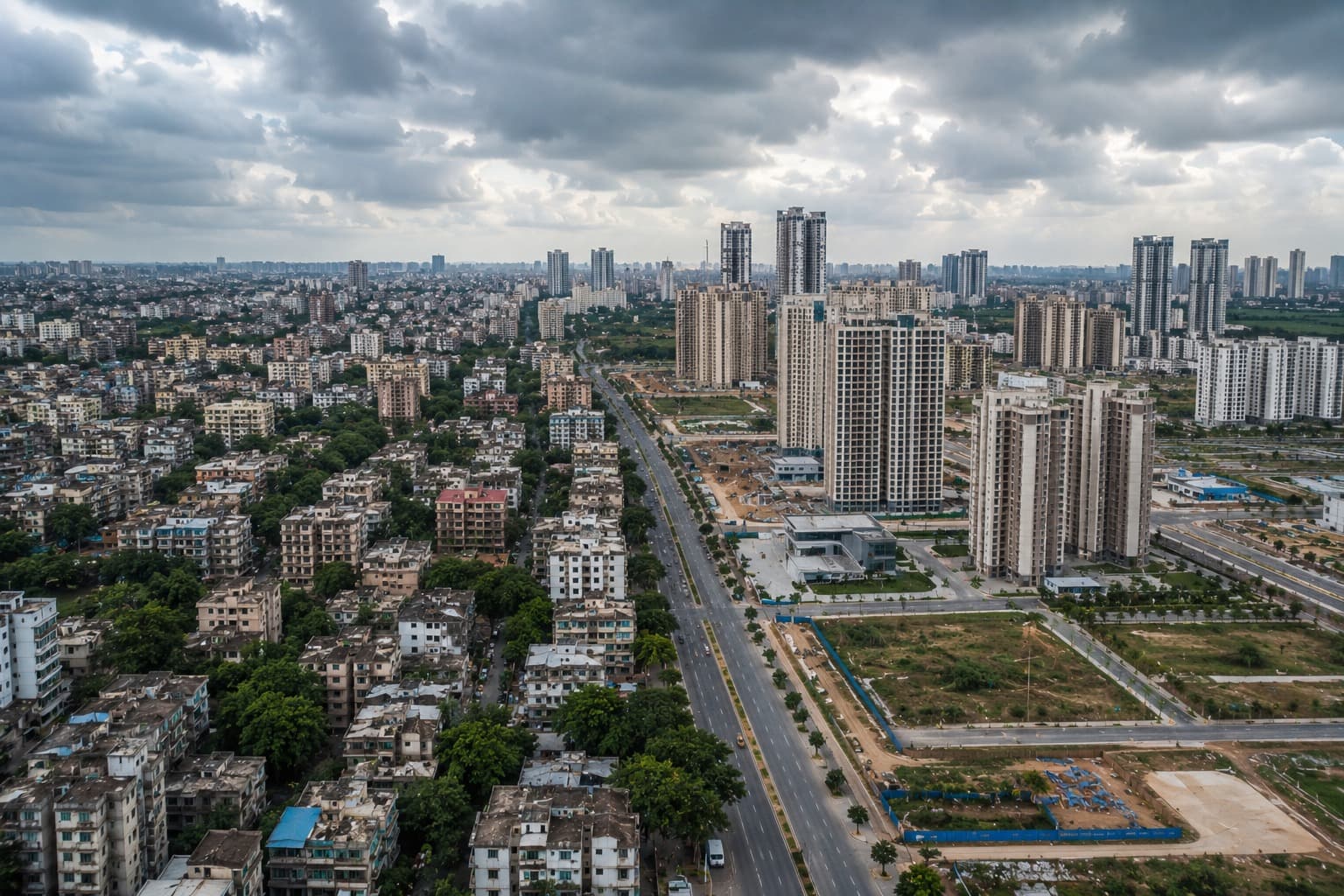
Every Indian city has its version of this divide. On one side sits the old, leafy colony with mature trees, decades of social fabric, and a reputation that needs no introduction. On the other sits the new growth corridor, still finding its identity, still being shaped by cranes and half-finished flyovers. Choosing between an old vs new locality is rarely a simple decision, and the right answer depends far more on what you want from the property than on which option sounds more impressive.
What an Established Locality Actually Offers
There is a reason addresses in established neighbourhood India zones command a premium even when the buildings themselves are decades old. Infrastructure here has had time to mature. Roads are wider than they look because they were planned before the current density arrived. Schools, hospitals, markets, and parks already exist within walking distance, tested over years rather than promised in a brochure.
Resale liquidity tends to be stronger too. A flat in a known, established colony almost always finds a buyer faster than an equivalent flat in an unproven area, simply because the locality requires no explanation. Buyers know exactly what they are getting.
Where Emerging Neighbourhoods Pull Ahead
The appeal of an emerging locality India is the appeal of a longer runway. Prices here are typically lower per square foot for comparable specifications, sometimes significantly so. The appreciation potential, if the locality develops as expected, can outpace an already-mature colony by a wide margin simply because there is more room to grow.
New residential supply in these corridors also tends to come with better modern design. Larger balconies, dedicated parking, integrated clubhouses, and contemporary layouts are easier to deliver on a fresh plot than in a retrofit project squeezed into an old colony's existing footprint.
The Honest Risk on Both Sides
A legacy colony property carries its own quiet risks. Buildings age. Plumbing and electrical systems installed decades ago eventually need expensive overhauls. Redevelopment, while increasingly common, can take years to materialise and creates its own uncertainty for owners caught in the transition.
A growth corridor carries the opposite risk profile. Infrastructure promises sometimes slip by years. A planned metro extension or a proposed expressway can take far longer to complete than the original timeline suggested, leaving early buyers holding property in a locality that develops more slowly than projected.
How Social Fabric Differs Between the Two
This is the part of the comparison that spreadsheets miss entirely. Established colonies carry decades of community history. Neighbours often know each other across generations. Local shopkeepers, doctors, and service providers have relationships with residents built over years. That social density is something no new development can manufacture quickly.
Emerging neighbourhoods build their own community gradually, often among similarly aged families who moved in around the same time for similar reasons. This can actually be an advantage for buyers seeking a fresh social start rather than slotting into an existing hierarchy.
Making the Right Call for Your Situation
How to choose between legacy locality and growth corridor in India depends largely on your time horizon and your priorities. A buyer planning to live in the property for the long term, who values proximity to established schools and amenities, generally finds more comfort in an old established locality. An investor with a five to ten year horizon, comfortable with some infrastructure delivery risk in exchange for stronger appreciation potential, often does better in an emerging corridor.
There is no universally correct answer here, only a correct answer for your specific goals.
Summary
Old established localities vs emerging neighborhoods which is better India is not a question with one right answer for every buyer. Pros and cons of buying in an established locality vs new area come down to a trade-off between proven infrastructure and resale liquidity on one side, and growth potential and modern design on the other. Why emerging neighbourhoods offer better appreciation than old colonies holds true only when the underlying infrastructure promises actually get delivered on schedule. The smartest buyers do not choose based on which option sounds more exciting. They choose based on an honest read of their own timeline, risk appetite, and what they actually want their home or investment to do for them.