
Office Space Cost Per Square Foot in India's Top Cities: Trends and Analysis
Summary
Office rentals in India, particularly metros, are rising, prompting firms to explore Tier-2 cities. Flexible leasing and decentralization are emerging trends. Understanding these dynamics is key for cost management and growth.

Introduction
In recent years, office rent India has increased sharply across major business hubs. Rising property prices, strong demand from IT firms, and growing startup activity have pushed office cost per sq ft to new levels. For many companies, choosing the right commercial office space has become a strategic decision. Businesses now compare office space cost in India carefully before expansion. With metros becoming expensive, organisations are exploring affordable office spaces in emerging cities. Understanding current trends helps firms manage budgets and maintain long-term growth.
Rising Office Rentals in Metro Cities
Metro cities such as Mumbai, Delhi-NCR, and Bengaluru continue to dominate the corporate leasing market. However, metro city office rent has risen rapidly in recent years. Mumbai records some of the highest commercial property rentals, crossing ₹168 per square foot. Bengaluru has crossed ₹95, while Delhi-NCR is nearing ₹110. These high prices are increasing operational pressure on companies. Many firms now find it difficult to sustain profits while maintaining large business workspace facilities in prime locations.
Impact on Business Strategies
The sharp increase in office space cost in India is reshaping corporate planning. Startups and SMEs are especially affected by high rental expenses. Even multinational firms are reviewing their real estate strategies. Instead of large central offices, companies prefer smaller and flexible spaces. This shift supports better cost management and improves financial stability. Rising office rent India has made affordability a key factor in every expansion decision.
Why Tier-2 Cities Are Gaining Importance
Tier-2 cities are becoming attractive due to lower office cost per sq ft. Rentals in these locations are often 30 to 70 percent lower than metros. This difference helps companies save on fixed expenses. Cities such as Indore, Lucknow, and Coimbatore offer quality infrastructure at reasonable rates. As a result, tier 2 city offices are emerging as strong alternatives for long-term growth.
Hyderabad: A Balanced Business Hub
Hyderabad remains one of the most preferred destinations for companies. Areas like HITEC City and Gachibowli support large IT parks and GCCs. Compared to Bengaluru and Mumbai, commercial office space in Hyderabad is more affordable. Government support and strong infrastructure make it reliable. These factors position Hyderabad as one of the best cities for low cost office rentals in India.

Pune: Strength in IT and Manufacturing
Pune combines technology and manufacturing industries effectively. Hinjewadi and Kharadi are major employment hubs. The city enjoys good connectivity with Mumbai and has an expanding airport. commercial property rentals in Pune remain moderate. This balance allows companies to scale operations without excessive financial burden. Pune continues to attract both startups and established enterprises.
Indore: A Growing Central Hub
Indore has emerged as a promising business centre in central India. With Smart City development and improved infrastructure, the city supports modern offices. Rentals range between ₹35 and ₹60, making it highly competitive. Crystal IT Park and SEZ zones provide organised facilities. These features strengthen Indore’s position among affordable commercial office spaces in India 2025.
Ahmedabad: Industrial and Financial Strength
Ahmedabad benefits from strong industrial and financial activity. Areas such as SG Highway and GIFT City offer world-class facilities. The city maintains cost efficiency in office space cost per square foot in top Indian cities. Pro-business policies and ease of operations attract investors. Ahmedabad offers a stable environment for companies seeking long-term expansion.
Lucknow: Northern India’s Rising Star
Lucknow is developing rapidly through IT City and CG City projects. Metro connectivity and expressways have improved accessibility. office rent India in Lucknow remains affordable compared to major metros. Government initiatives supporting IT parks and GCCs are strengthening the ecosystem. This makes Lucknow a promising destination for northern operations.
Coimbatore: Industrial Base with IT Growth
Coimbatore has a strong textile and engineering background. In recent years, IT parks such as TIDEL Park have enhanced digital growth. business workspace rentals remain moderate. The city offers a balanced mix of manufacturing and services. This diversity ensures long-term stability and attracts companies seeking sustainable growth.
Emerging Trends in Office Markets
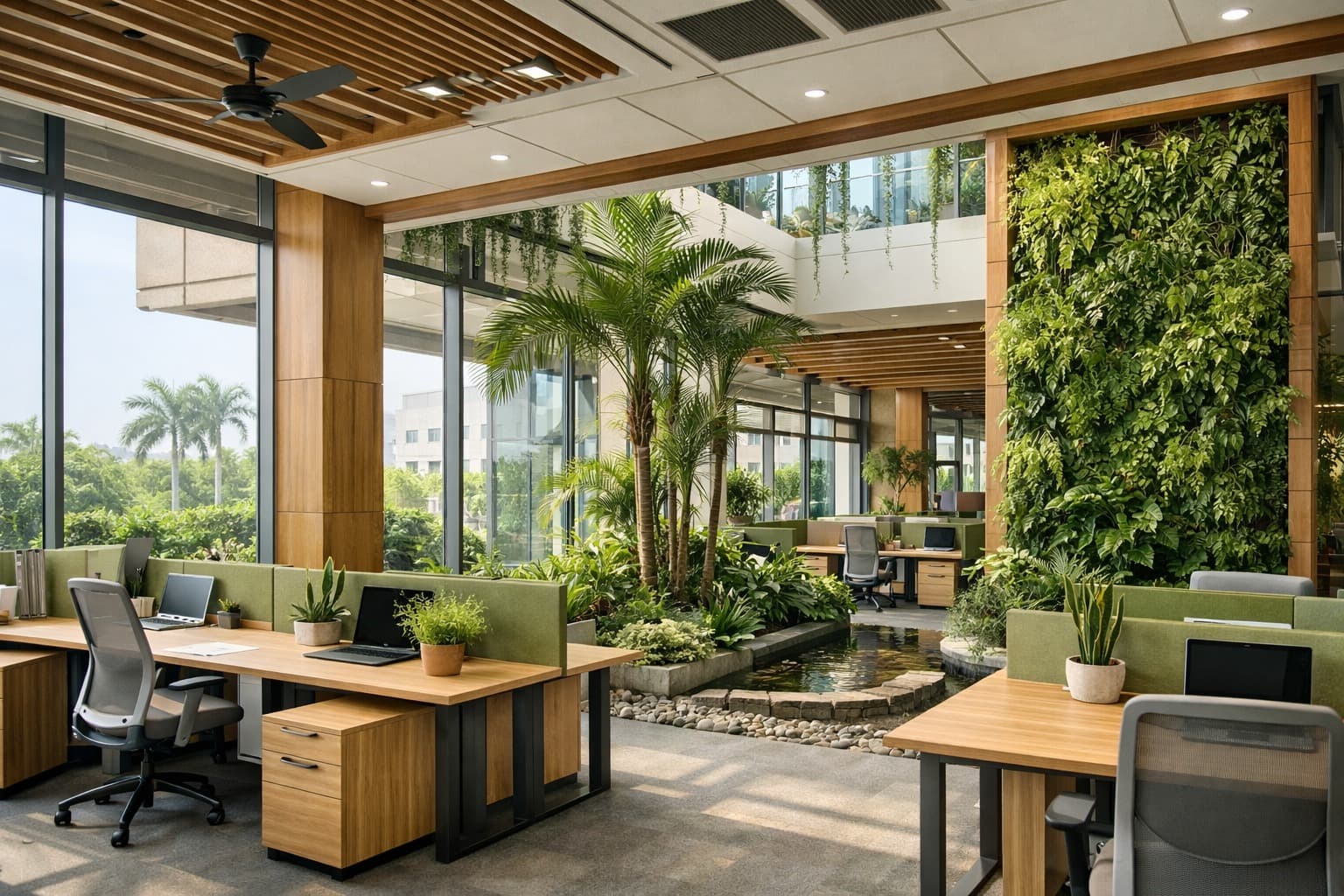
In 2025, companies are adopting flexible leasing models. The “Core + Flex” strategy combines permanent offices with coworking spaces. Demand for Grade A properties remains strong. Businesses focus on sustainability, digital systems, and employee wellness. Decentralisation is also increasing as firms reduce dependency on metros. These patterns reflect future trends in Indian office leasing.
Benefits of Decentralised Expansion
Expanding into multiple cities reduces operational risks. Companies gain access to wider talent pools and lower costs. comparison of metro and tier 2 office rents shows significant savings. Regional offices also improve customer engagement. This approach supports business continuity and improves overall efficiency.
Preparing for Future Growth
To succeed in changing markets, companies must plan carefully. Analysing office space cost in India helps in budgeting. Choosing locations with strong infrastructure and skilled talent ensures stability. Investing in flexible and managed spaces improves adaptability. Businesses that follow future trends in Indian office leasing will remain competitive.
Summary
Office space costs in India are rising, especially in major metro cities such as Mumbai, Delhi-NCR, and Bengaluru. High rentals are forcing companies to rethink expansion strategies and explore Tier-2 cities like Hyderabad, Pune, Indore, Ahmedabad, Lucknow, and Coimbatore. These locations offer affordability, infrastructure, and skilled talent. Emerging trends such as flexible leasing, decentralisation, and sustainable offices are reshaping commercial real estate. Businesses that understand these changes can manage costs better and achieve long-term growth.