
Nashik Property Trends 2026: An Affordable Housing Hotspot
Summary
Nashik emerges as an affordable housing hotspot in 2026, offering lower property prices and steady employment. Pathardi Phata and Indira Nagar stand out, boosted by MetroNeo, presenting a viable alternative to Mumbai and Pune.

Introduction
Nashik rarely makes the kind of noise that Mumbai or Pune generates in real estate headlines. But quietly, methodically, this city has been building a property market that makes more financial sense for first-time buyers than almost any other Maharashtra destination right now. Property prices that are 30 to 40 percent lower than Pune, an industrial base that keeps employment steady, and infrastructure investments arriving on schedule. The Nashik affordable housing market 2026 is not a consolation prize for buyers who missed the Mumbai train. It is increasingly a deliberate choice.
Where Prices Actually Stand
The Nashik property prices per sq ft 2026 story is still one of the most encouraging in the state. Entry-level 1BHK apartments in developing corridors start around Rs 3,500 per square foot. Established mid-range localities sit between Rs 4,500 and Rs 7,500 per square foot. Even the city's most aspirational address, Gangapur Road, tops out around Rs 10,000 per square foot at the premium end.
Affordable housing options starting at Rs 20 lakh for a 1BHK still exist in areas like Pathardi Phata and parts of Satpur. That price point has essentially disappeared from Pune and was never real in Mumbai. For a salaried household, these numbers change the home loan conversation entirely.
Pathardi Phata: The Budget Buyer's Best Bet
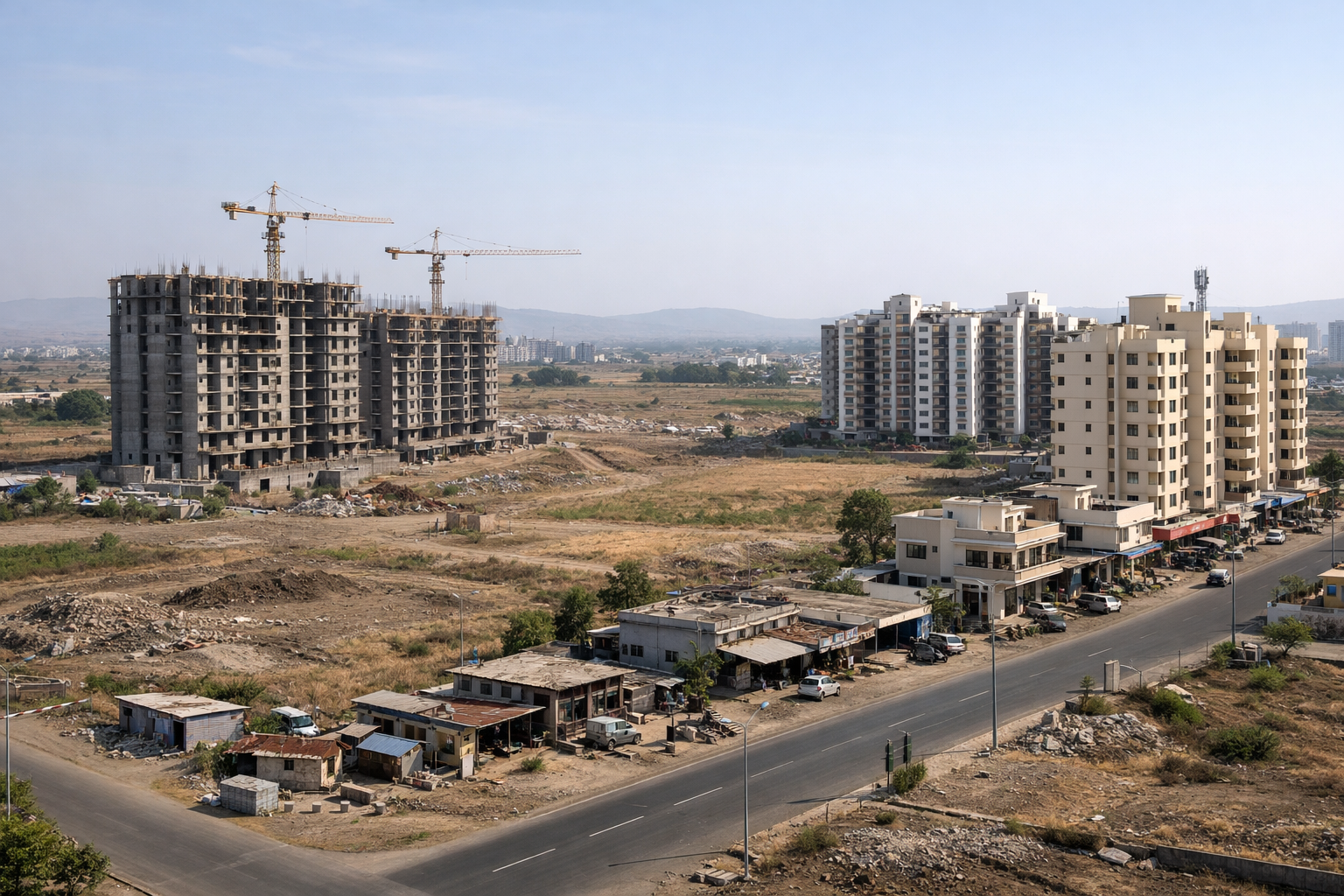
Pathardi Phata Nashik real estate has emerged as the go-to corridor for first-time buyers and investors watching entry prices carefully. The area sits close to the Mumbai-Nashik Expressway, making it practical for daily commuters. Ambad and Satpur MIDC industrial zones are nearby, which keeps rental demand from factory and manufacturing workers reasonably consistent.
Apartments here are available between Rs 3,500 and Rs 5,500 per square foot. Projected appreciation of 10 to 15 percent annually, linked partly to MetroNeo station proximity, makes the numbers look attractive for buyers thinking three to five years ahead.
Indira Nagar: Mid-Range With Upside
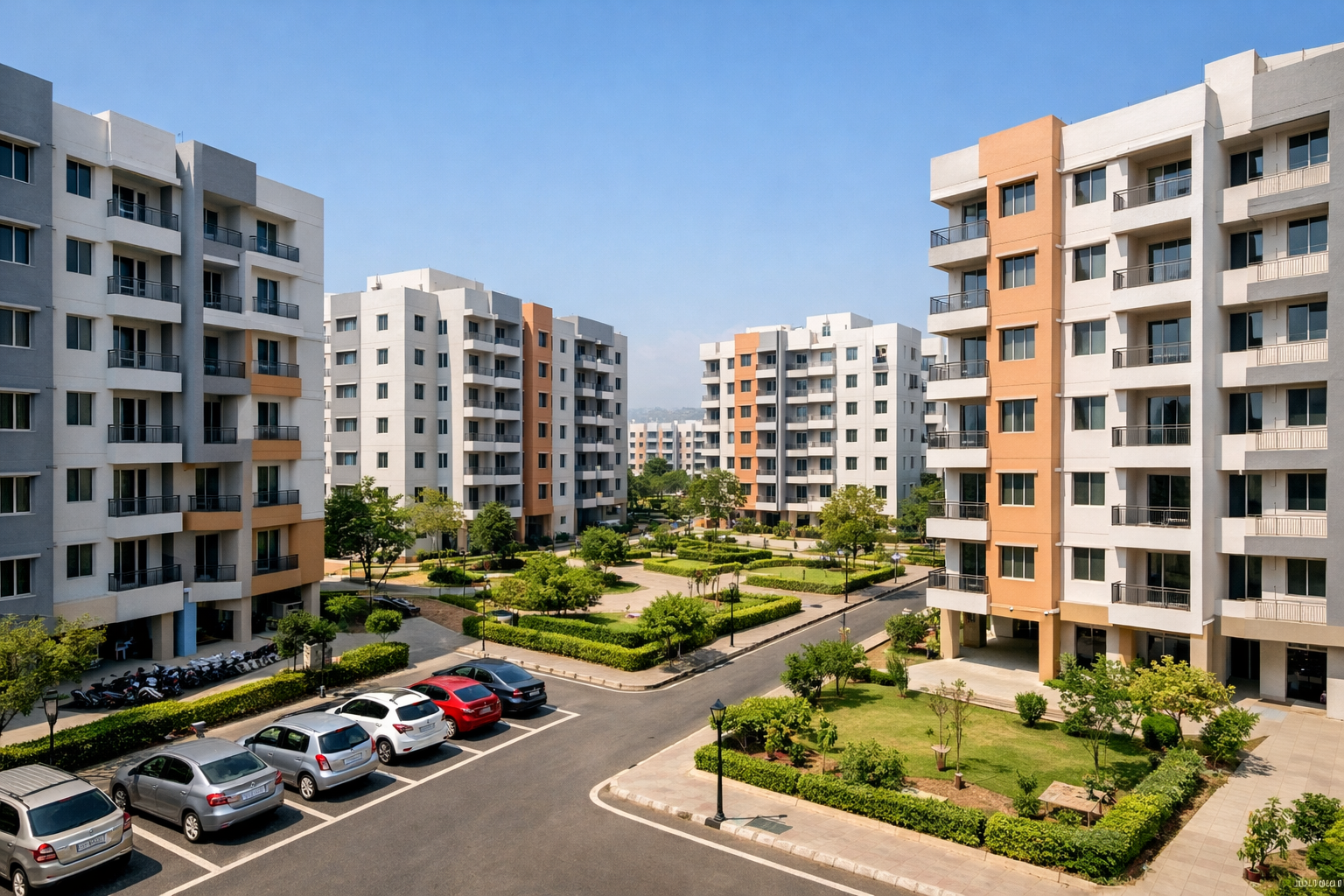
Indira Nagar occupies the comfortable middle ground between budget and premium. Residential societies here are well-planned, schools and hospitals are accessible, and the locality has benefited from consistent civic investment over the years.
Price range sits between Rs 5,500 and Rs 7,500 per square foot, which positions it squarely in the sweet spot for salaried professionals earning between Rs 60,000 and Rs 1.2 lakh per month. Future metro connectivity through this corridor is the factor most likely to push values meaningfully higher over the next two to three years.
The MetroNeo Factor
How MetroNeo infrastructure is driving property prices in Nashik is the single most discussed topic among city-based investors right now. The planned 30-kilometre MetroNeo network connects Gangapur Road, CBS, Satpur, and New Nashik. Every corridor on that route has seen heightened buyer interest since the project moved into active planning stages.
History across Indian cities has shown a consistent pattern. Properties within one kilometre of a metro station appreciate faster and hold value better through market downturns. Buyers entering Nashik's affordable segment in localities along this alignment today are likely positioning themselves ahead of that curve.
Nashik Versus Mumbai and Pune: The Real Comparison
The Nashik versus Mumbai Pune property investment argument is not even close at current prices. A Rs 60 lakh budget buys a cramped 1BHK in Pune's outer suburbs or a genuinely comfortable 2BHK in a decent Nashik locality. The same Rs 60 lakh in Mumbai is essentially a down payment conversation, not a purchase.
Beyond price, Nashik offers something harder to quantify but equally valuable: space, air quality, and a pace of life that growing numbers of metro-fatigued professionals are actively seeking. The pandemic shifted that preference permanently for a significant slice of the workforce, and Nashik has been one of the quiet beneficiaries.
Industrial Base Keeping Demand Real
Unlike some tier-two cities where real estate growth runs ahead of actual economic activity, Nashik's property demand is anchored in something tangible. Ambad MIDC and Satpur together host manufacturers including Mahindra and Bosch, alongside dozens of smaller industrial units that collectively employ a substantial working population.
Upcoming IT parks spanning approximately 10 acres are expected to bring a different employment profile into the city. When white-collar job creation scales in a city with Nashik's price levels, rental yields and residential demand both respond positively.
What Buyers Should Watch For
RERA compliance is non-negotiable when buying in any Nashik project today. MahaRERA registration should be verified before any booking amount changes hands. Under-construction projects in early phases carry better pricing but require patience on possession timelines.
Stamp duty in Nashik currently stands at 6 percent for male buyers and 5 percent for female buyers, with joint husband-wife ownership also attracting the lower 5 percent rate. First-time buyers should explore any available government incentives before finalising a transaction.
Summary
The Nashik affordable property market in 2026 offers a combination that is genuinely rare in Maharashtra: entry prices that work for real household budgets, infrastructure investment arriving on schedule, and appreciation potential that institutional analysts are projecting at 10 to 15 percent annually. Best localities to buy affordable housing in Nashik including Pathardi Phata and Indira Nagar deliver real value at price points that Mumbai and Pune simply cannot match. For salaried first-time buyers, is buying an affordable flat in Nashik a good investment in 2026 has one increasingly clear answer: yes, and sooner rather than later.