
Mumbai Real Estate Report 2025: Quarterly Market Overview
Summary
Mumbai's 2025 real estate market saw strong sales and price growth, driven by demand for larger homes and infrastructure improvements. Luxury segments thrived, while office leasing remained robust, solidifying Mumbai's position as a key property hub.

Mumbai’s real estate market continued its strong performance in 2025, showing resilience, changing buyer preferences, and steady growth across residential and commercial segments. With rising property prices, sustained buyer demand, and growing interest from both local and global investors, Mumbai remains one of India’s most important property markets. This blog presents a clear and simple overview of key trends, what drove the 2025 market, and what prospects lie ahead.
Big Picture: Why Mumbai Matters
Mumbai is India’s financial capital and one of the busiest property markets in the country. Its real estate market is complex, with layers of demand from regular homebuyers, luxury buyers, corporate tenants, and institutional investors. In 2025, Mumbai continued to lead housing sales among major Indian cities, showing both end-user demand strength and investment interest stability.
The market is shaped by many factors, from infrastructure development and transportation upgrades to changing lifestyles and global economic shifts. These forces are making Mumbai more attractive for buyers looking for long-term value as well as lifestyle upgrades.
Residential Market: Sales Volumes and Price Trends
One of the standout features of the 2025 report is the volume of homes being sold. Mumbai registered about 97,000 home sales for the year, marking a modest year-on-year increase. This shows that buyer confidence remained intact throughout 2025. Residential prices also moved upwards, with an average climb of around 7% compared to the previous year. This reflects both continued demand and limited supply in many areas.
The market is also changing in terms of the type of homes buyers want. Higher-ticket units — such as those in the ₹2–5 crore bracket — gained more attention, leaving smaller or affordable segments with less market share. Many buyers are now willing to pay a premium for larger, better-amenitized homes, especially in well-connected suburbs like Andheri, Goregaon, and Thane.
Luxury and Premium Housing Demand
Luxury housing remains one of the most talked-about parts of Mumbai’s market. The city’s premium homes — often located in neighbourhoods like Bandra West, Prabhadevi, and Worli — saw strong sales during the first half of 2025. For example, homes priced above ₹10 crore continued to record significant sales figures, with total value reaching high levels as wealthy buyers moved into premium segments.
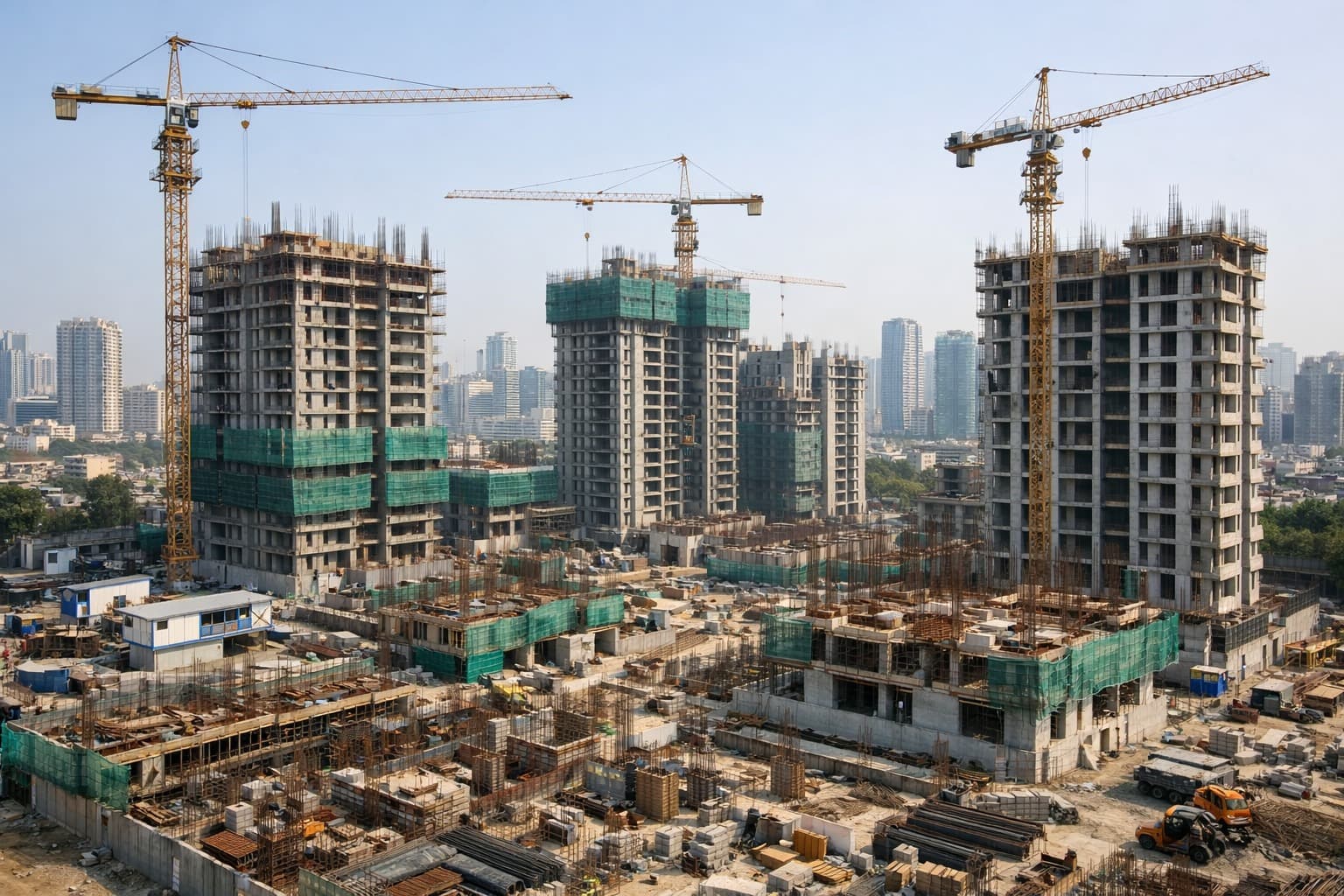
This trend shows that Mumbai’s luxury real estate is not only about owning a house but also about lifestyle and status. Many buyers in this tier seek features like sea views, club facilities, large floor plans, and smart-home comforts. The demand for these properties also indicates confidence among high-net-worth individuals (HNIs) who see luxury homes as stable long-term assets.
Infrastructure and Connectivity: What’s Driving Demand
Real estate demand in Mumbai often rises in line with improvements in infrastructure. 2025 was no exception. Major projects such as the Metro lines and the Mumbai Trans Harbour Link improved connections between different suburbs and key city centres. These upgrades not only make commuting easier but also raise the appeal of neighbouring housing pockets. (The Economic Times)
Investors and homebuyers are increasingly looking at peripheral zones that were once considered further from the city core. With better connectivity and expanding social infrastructure like schools and malls, areas like Navi Mumbai and eastern suburbs are now hot spots for both residents and developers.
Commercial Real Estate: Office Leasing and Rentals
Mumbai’s commercial property scene also saw notable activity in 2025. The city recorded substantial office leasing volumes, maintaining one of the strongest years for corporate space demand in over a decade. This momentum was driven by large global capability centres (GCCs) and tech firms expanding their footprints.
As office occupancy grew, rental values firmed up, with average rented space values rising steadily. Landlords benefited from limited new supply and strong demand for quality office buildings in suburban business hubs. These trends reflect Mumbai’s ability to remain an attractive workplace destination even as remote work models evolve.
Rental Market: Residential and Commercial
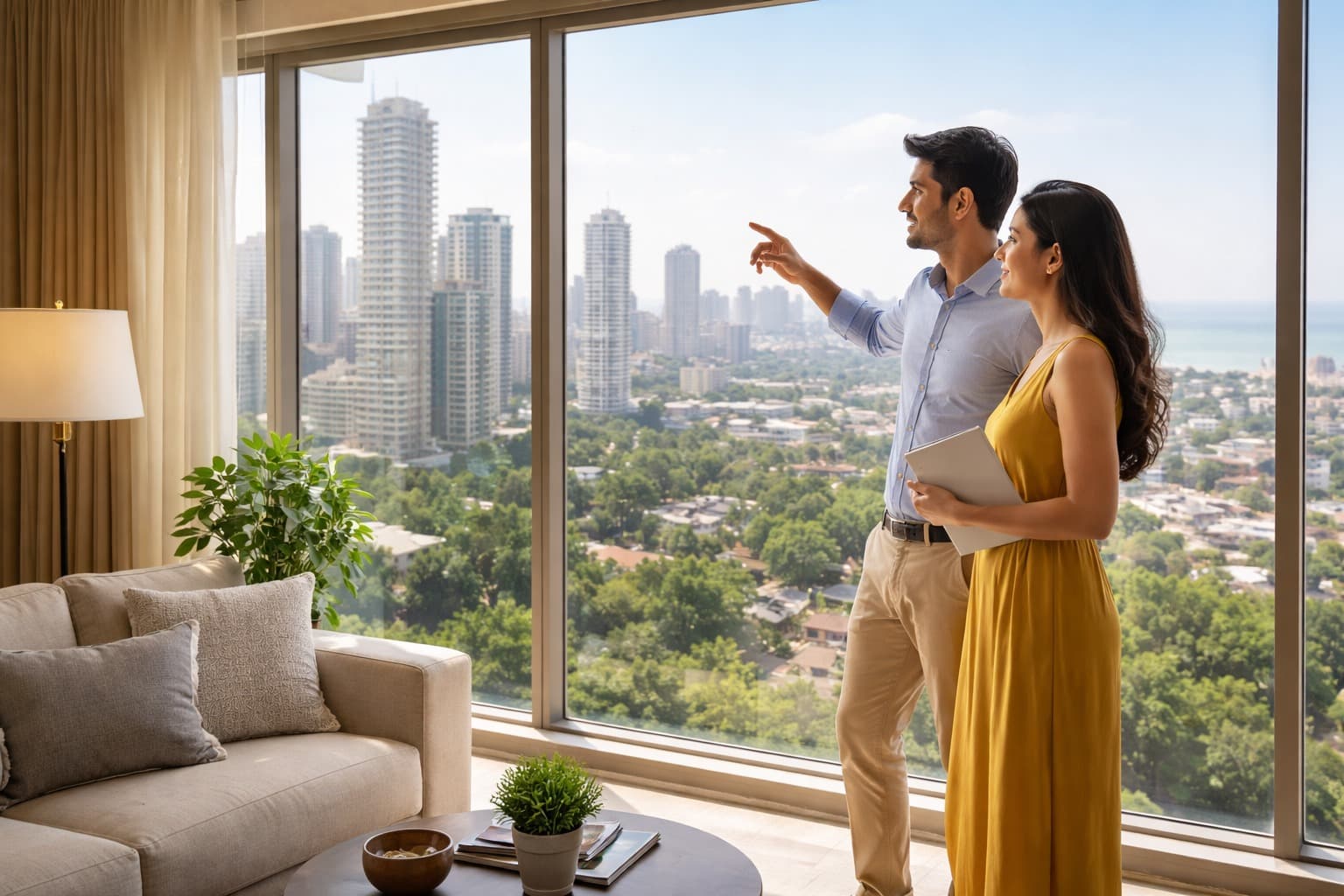
Beyond sales and office leasing, Mumbai’s rental market stayed healthy in 2025. Residential rentals in popular city zones and suburbs continued to grow as more people sought ready-to-move-in flats close to job centres. At the same time, limited availability of new rentals kept pressure on prices for both apartments and villas.
The rental demand for premium homes also increased, particularly where amenities, security, and lifestyle features were strong. Many tenants, especially professionals and expatriates, preferred high-end rentals with modern facilities rather than older or budget properties.
Shift in Buyer Preferences
The data from 2025 shows a clear shift away from small, low-budget housing units toward more spacious, higher-priced properties. Buyers are looking for value-for-money homes that offer long-term comfort and higher living standards. The preference for larger flats, gated complexes, and leisure-centric communities has grown stronger, pushing developers to focus on premium projects.
This shift is most evident in suburbs where new projects are launched with lifestyle-focused designs, such as gardens, play areas, gyms, and community spaces. The appetite for such features shows that homebuyers now value lifestyle benefits as much as affordability.
Challenges and Market Headwinds
While Mumbai’s real estate market stayed strong in 2025, rising property prices reduced affordability for first-time buyers, especially in central areas with high land costs. Many buyers shifted toward suburbs and nearby regions for better value. Another concern was growing unsold luxury inventory, where high-end supply exceeded short-term demand, highlighting the need for balanced development and cautious planning by developers and investors.
Summary
In 2025, Mumbai’s real estate market showed resilience with nearly 97,000 home sales and a 7% rise in prices, driven by strong demand for larger homes and better connectivity. Luxury and mid-premium segments gained traction, supported by infrastructure upgrades and shifting buyer preferences. Office leasing remained robust, with rising rents and steady tenant interest. Challenges include affordability concerns and rising unsold inventory in some luxury tiers. Overall, Mumbai continues to be a major property hub with growth prospects in both residential and commercial sectors.