
Mumbai Real Estate Price Movement in 2025: A Story of Steady Growth
Summary
Mumbai real estate in 2025 saw steady price growth driven by demand, limited supply, and infrastructure. The market reflects stability and sustainable growth, a shift from post-pandemic volatility. Micro-markets performed well.

Introduction
Mumbai’s real estate market in 2025 has shown steady price movement supported by consistent end‑user demand, limited supply, and strong micro‑market performance. Despite fluctuations in overall housing launches, residential prices across key parts of the city have continued to move upward at a controlled pace. Market trend reports indicate that the year reflects stabilisation rather than volatility, highlighting Mumbai’s position as a resilient real estate market.
Overall Price Trend in Mumbai During 2025
Property prices across Mumbai recorded moderate but steady growth in 2025. Unlike earlier years that saw sharp post‑pandemic rebounds, price movement during the year remained gradual. This trend points to a market driven more by genuine housing demand and less by speculative buying, contributing to long‑term price sustainability.
Performance of Key Residential Micro‑Markets
Several established and emerging locations continued to support price growth. Areas such as Andheri West, Goregaon West, Malad, Borivali, Kandivali, Chembur, Powai, and Mulund remained active due to strong connectivity and social infrastructure. Central and suburban locations with access to metro corridors and arterial roads recorded better price traction compared to peripheral zones.
Impact of Limited Supply on Prices
One of the key factors influencing price movement in 2025 was controlled new supply. Developers remained cautious with launches, focusing on project completion and selective new developments. Limited supply in well‑established locations supported price stability and prevented sharp corrections, particularly in mid‑segment and premium housing.

Demand Trends Across Housing Segments
Demand in 2025 was largely end‑user driven. Mid‑income and premium housing segments performed better than entry‑level housing, especially in western and central suburbs. Buyers showed preference for well‑planned homes in completed or near‑completion projects, which helped sustain pricing momentum.
Role of Infrastructure Development
Infrastructure projects continued to influence residential pricing. Metro line expansions, road upgrades, and improved last‑mile connectivity enhanced the attractiveness of several suburban micro‑markets. Locations connected to operational or upcoming metro lines witnessed stronger buyer interest, supporting incremental price appreciation.
Luxury and Premium Housing Market Movement
Mumbai’s luxury housing segment maintained price stability in 2025. While transaction volumes remained selective, prices did not witness any major decline. Premium locations with limited land availability continued to command higher rates, reflecting long‑term confidence among high‑net‑worth buyers.
Rental Market Influence on Capital Values
The rental market also supported capital values during the year. Stable rental demand from professionals and corporate tenants improved investor confidence. In several locations, rising rentals reinforced buyer willingness to invest, indirectly supporting residential prices.
Buyer Sentiment and Market Confidence
Buyer sentiment in 2025 remained cautious yet positive. Buyers focused on value, location quality, and long‑term livability rather than short‑term appreciation. This behavioural shift contributed to realistic pricing and reduced volatility across the market.
Comparison With Previous Years
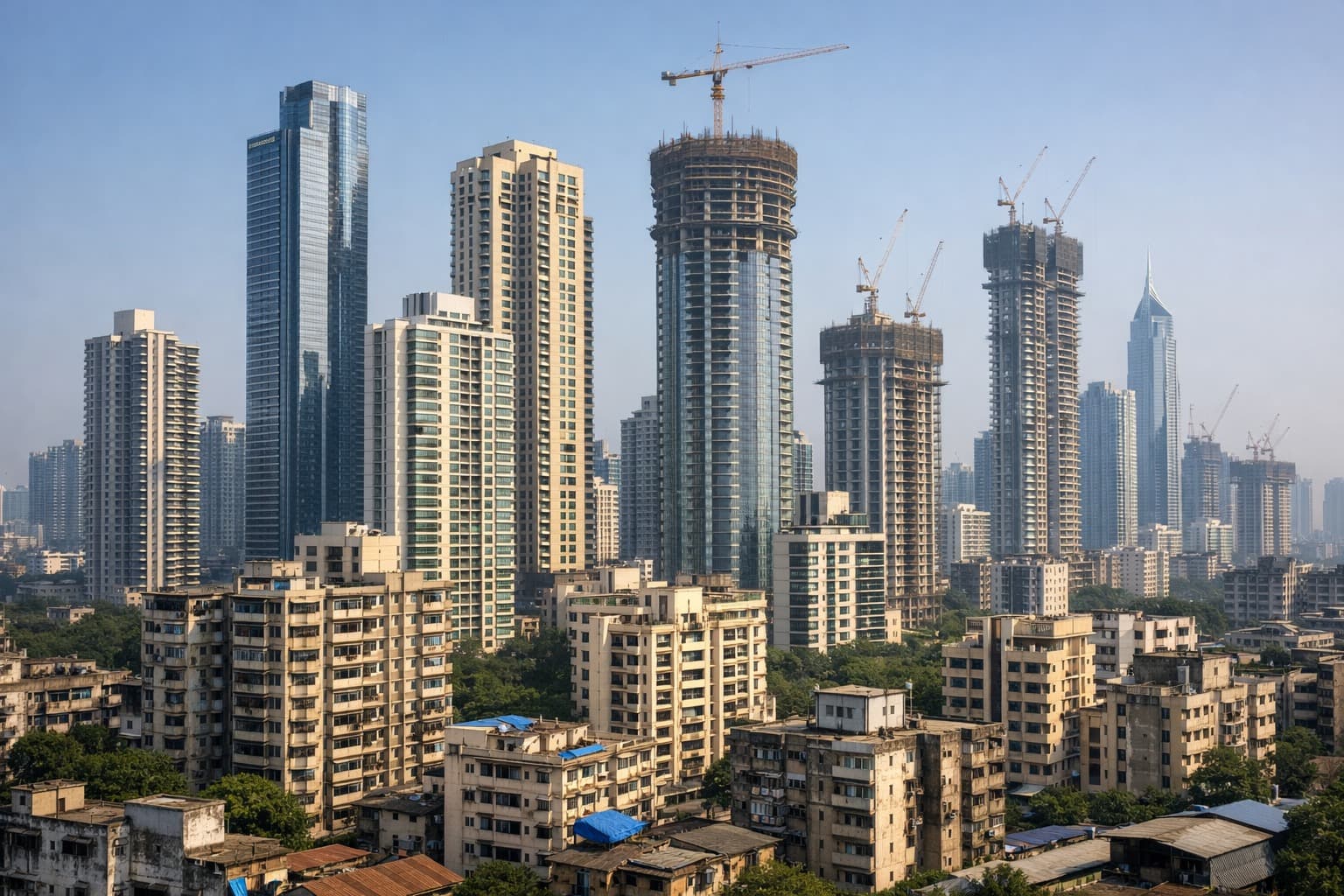
Compared to the sharp growth seen immediately after the pandemic, 2025 marked a more balanced phase. Prices continued to rise, but at a measured pace. This shift indicates a maturing market where growth is aligned with economic fundamentals rather than speculative cycles.
What the 2025 Price Movement Indicates
The price movement observed in 2025 suggests that Mumbai’s real estate market is entering a stable growth phase. Controlled supply, infrastructure‑led demand, and buyer maturity have created a healthier pricing environment. The market appears better positioned for sustainable long‑term growth rather than short‑term spikes.
Outlook for Mumbai Real Estate Prices
Going forward, price growth in Mumbai is expected to remain gradual and location‑specific. Well‑connected micro‑markets with limited new supply are likely to continue outperforming. The overall outlook remains stable, supported by urban demand, infrastructure investment, and disciplined development.
Conclusion
Mumbai’s real estate price movement in 2025 reflects a market characterised by stability, steady demand, and controlled growth. While overall activity remained selective, residential prices across key locations showed resilience. The year highlights Mumbai’s transition into a more mature and sustainable real estate cycle.
Summary
Mumbai’s real estate market in 2025 recorded steady price growth driven by end‑user demand, limited supply, and infrastructure development. Key residential micro‑markets continued to perform well, while buyer sentiment remained cautious but positive. Prices moved gradually rather than sharply, indicating market stabilisation. Overall, 2025 reflects a balanced phase for Mumbai real estate, with sustainable growth prospects and reduced volatility across housing segments.