
Mira Road Property Price Movement: Impact of Metro Line 9
Summary
Mumbai Metro Line 9 is poised to transform Mira Road's real estate. Expected to cut commute times and boost connectivity, the metro is driving property price appreciation and investment interest in the area.

Introduction
The upcoming Mumbai Metro Line 9, connecting Dahisar East to Mira-Bhayandar, is set to become a major turning point for the northern suburbs of Mumbai. Scheduled to open for public use in February 2026, this fully elevated corridor is expected to dramatically reduce commute times and ease pressure on the Western Express Highway and suburban rail network. As seen with previous metro expansions, improved connectivity is already translating into rising real estate demand—especially in Mira Road and Bhayandar, long considered affordable yet under-connected markets.
Overview of Mumbai Metro Line 9
Metro Line 9 is an 11.38 km fully elevated corridor and an extension of the Red Line network. Initially planned only between Dahisar and Andheri, the route was later extended to Mira-Bhayandar to cater to growing commuter demand. The line is being developed and operated by the Mumbai Metropolitan Region Development Authority (MMRDA) and will share depots and operational synergy with Metro Lines 7 and 7A.
Mumbai Metro Line 9 Stations and Connectivity
Once operational, Metro Line 9 will feature 10 elevated stations, significantly improving east-west and north-south mobility. Key stations such as Dahisar East will allow seamless interchange with Metro Line 7 (Red Line) and Metro Line 2A (Yellow Line), while proposed interchanges at Miragaon and Medtiya Nagar will strengthen internal Mira-Bhayandar connectivity. This integration will allow commuters from Mira Road to directly access Andheri and central business districts without relying solely on local trains.
Why Metro Line 9 Is a Game Changer for Mira Road
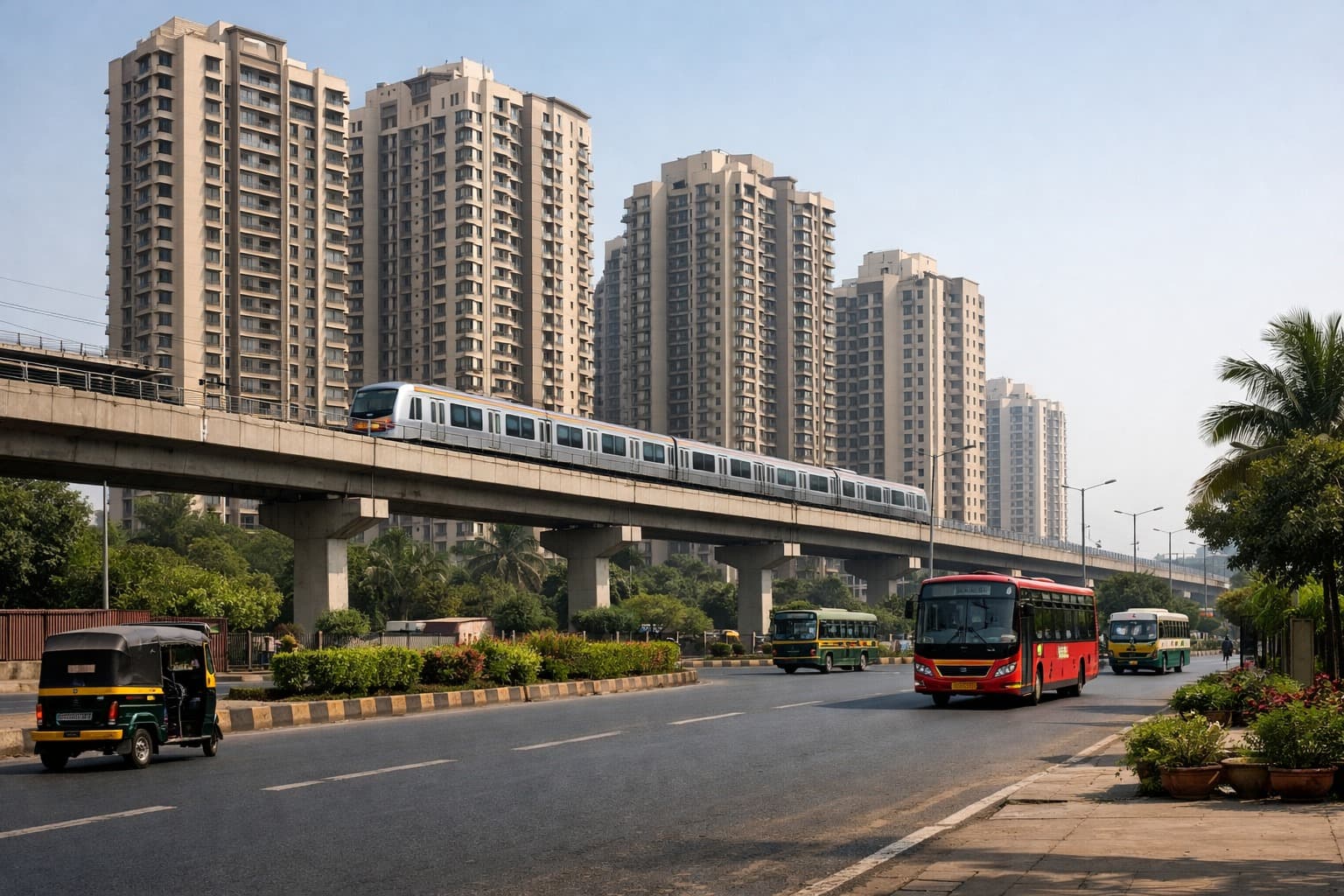
For over a decade, residents of Mira Road and Bhayandar have faced overcrowded trains, traffic bottlenecks at Dahisar Check Naka, and long travel times. Metro Line 9 is expected to cut travel time by 50–75%, offering a predictable, air-conditioned alternative to road and rail congestion. This enhanced mobility is not just a commuting upgrade—it fundamentally changes how the market perceives Mira Road as a residential and investment destination.
Mira Road Property Price Movement Post-Metro Line 9
Even before completion, the impact of Metro Line 9 is visible in property trends. Real estate developers report higher enquiry volumes, particularly for projects within 1–2 km of proposed stations. Historically, Mumbai localities that received metro connectivity witnessed 15–30% price appreciation during the construction phase, followed by sustained growth post-launch. Mira Road, with its relatively lower base prices, is well positioned for a similar or stronger upward cycle.
Bhayandar and Dahisar East: Emerging Investment Nodes
While Mira Road remains the most talked-about beneficiary, Bhayandar West and East are also seeing renewed investor interest. Improved access to Andheri via Metro Line 7 interchange and faster road upgrades under the Mira-Bhayandar Municipal Corporation (MBMC) are strengthening liveability. Dahisar East, already benefiting from multiple metro lines, is evolving into a key interchange-driven micro-market with strong rental demand from daily office commuters.
Impact on Rental Demand and End-User Housing
Metro connectivity has a direct correlation with rental growth. As Line 9 opens, rental demand in Mira Road is expected to rise from professionals working in Andheri, Goregaon, and business hubs along the Red Line. For end-users, the metro reduces dependency on private vehicles, making daily travel more affordable and predictable—an important factor for middle-income homebuyers.
Infrastructure Push Beyond the Metro
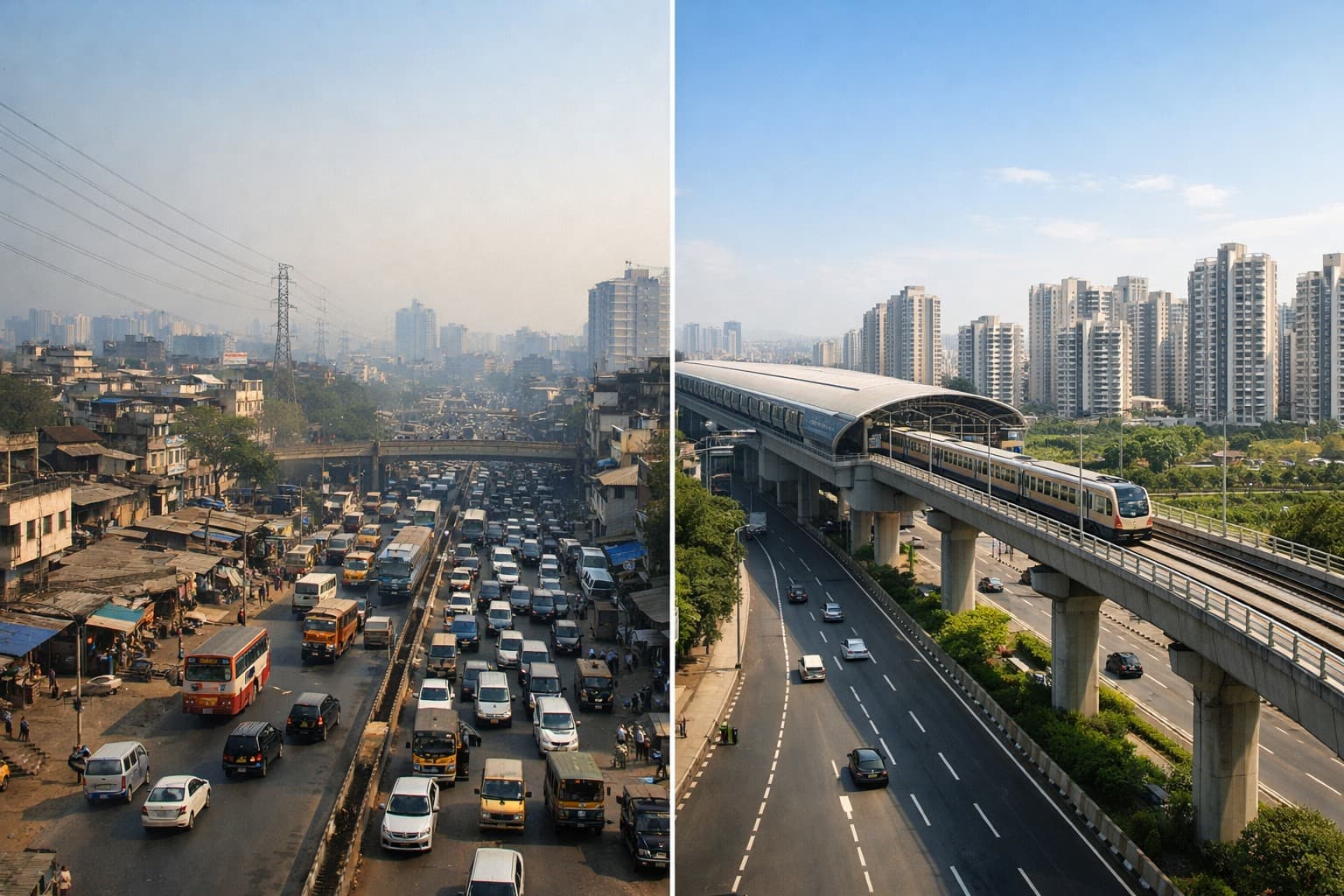
The metro project is being complemented by broader civic upgrades. Authorities have announced plans to convert major MBMC roads into concrete corridors over the next 18–24 months, addressing long-standing pothole and monsoon issues. Combined with metro access, these improvements strengthen the long-term outlook for Mira Road real estate growth.
Expected ROI After Metro Line 9 Becomes Operational
Based on trends from earlier Mumbai metro corridors, analysts expect annual property appreciation of 8–10% in Mira Road and Bhayandar over the next five to seven years. Projects closest to stations and those offering mid-segment pricing are likely to see the highest liquidity. Rental yields, currently modest, could improve steadily as connectivity attracts a larger working population.
Summary
The launch of Mumbai Metro Line 9 is more than a transport upgrade—it is a structural shift for Mira Road and Bhayandar’s real estate market. By slashing travel times, easing congestion, and integrating seamlessly with the Red and Yellow Lines, the corridor is redefining how buyers and investors view the northern suburbs. As February 2026 approaches, the price movement post-Metro Line 9 suggests that Mira Road is transitioning from an affordable fringe market to a well-connected, high-potential residential hub. For homebuyers and long-term investors, this metro-led transformation presents a timely opportunity to enter before the next phase of appreciation fully unfolds.