
Markets Benefiting from Migrant Workforce Demand
Summary
India's rapid urban migration fuels a structural boom in rental markets, especially in major metros like Bengaluru and Mumbai. Co-living and institutional investment are professionalizing this growing segment, offering opportunities for investors in peripheral areas.

Introduction
India's cities have always pulled people in. But the scale of internal migration happening right now is reshaping entire rental markets in ways that property investors and developers cannot afford to ignore. By 2036, an estimated 600 million people, roughly 40 percent of India's population, will live in towns and cities, up sharply from 31 percent in 2011. That single statistic explains why markets benefiting migrant workforce demand have become one of the most active corridors in Indian real estate today.
Why This Demand Is Structural, Not Temporary
Migrant workers move to cities for jobs, education and better income prospects. Unlike speculative investment demand, which can dry up quickly when sentiment shifts, this kind of housing need is tied to employment and economic opportunity. It does not disappear during a market correction.
The India rental housing market was valued at USD 2.7 billion in 2024 and is projected to reach USD 4 billion by 2033. Migration, rising property prices and the simple unaffordability of ownership for many young workers are the primary drivers behind that growth curve.
Bengaluru, Mumbai and Delhi Lead the Pack
These three cities dominate rental demand because they combine high population density with concentrated economic activity. Migrants arrive looking for IT jobs, financial services roles and manufacturing work, and these cities offer the deepest employment pools in the country.
Rental inflation across India's six major metros, including Bengaluru, Mumbai, Delhi-NCR, Hyderabad, Pune and Chennai, ran between 7 and 9 percent in the first half of 2025. That is a meaningful slowdown from the aggressive 12 to 24 percent annual hikes seen in prior years, but it still reflects sustained demand pressure rather than a cooling market.
Co-Living Is the Fastest-Growing Segment
Co-living spaces have emerged as the most dynamic response to migrant housing demand. These shared arrangements, where individuals rent a private room within a fully furnished apartment while sharing common areas, are particularly popular in Bengaluru, Mumbai, Delhi and Pune.
The appeal is straightforward. Co-living offers affordability, flexible short-term leases and a built-in community for people who have just relocated and do not yet have a social network in a new city. For millennials and Gen Z professionals especially, this format solves both the financial and emotional friction of moving cities alone.
Institutional Capital Is Entering the Space
This is the most significant recent development. HDFC Capital Advisors has partnered with Curated Living Solutions to launch a Rs 1,000 crore institutional-grade rental housing platform. The explicit target audience is people who move cities frequently, students, young professionals and migrant workers, the groups that form the backbone of India's urban workforce.
This signals a structural shift. Rental housing in India has historically been fragmented across thousands of individual landlords with inconsistent contracts and unpredictable rents. Institutional players entering at scale could professionalise the sector in ways that benefit both tenants and long-term investors.
Government Policy Is Catching Up
Affordable Rental Housing Complexes, introduced under PMAY, were designed specifically to serve urban migrants and the working class. The Haryana government's Affordable Rental Housing Scheme, launched in March 2025, is leasing 1,600 apartments in Sonipat at discounted rates for economically weaker sections and informal workers, backed by a Rs 2,444 crore allocation in the 2025-26 budget.
Execution has lagged ambition so far, with only a fraction of identified ARHC units actually distributed to migrant workers. But policy direction is clear, and continued government focus signals more capital and incentive support for this segment in coming years.
What This Means for Investors
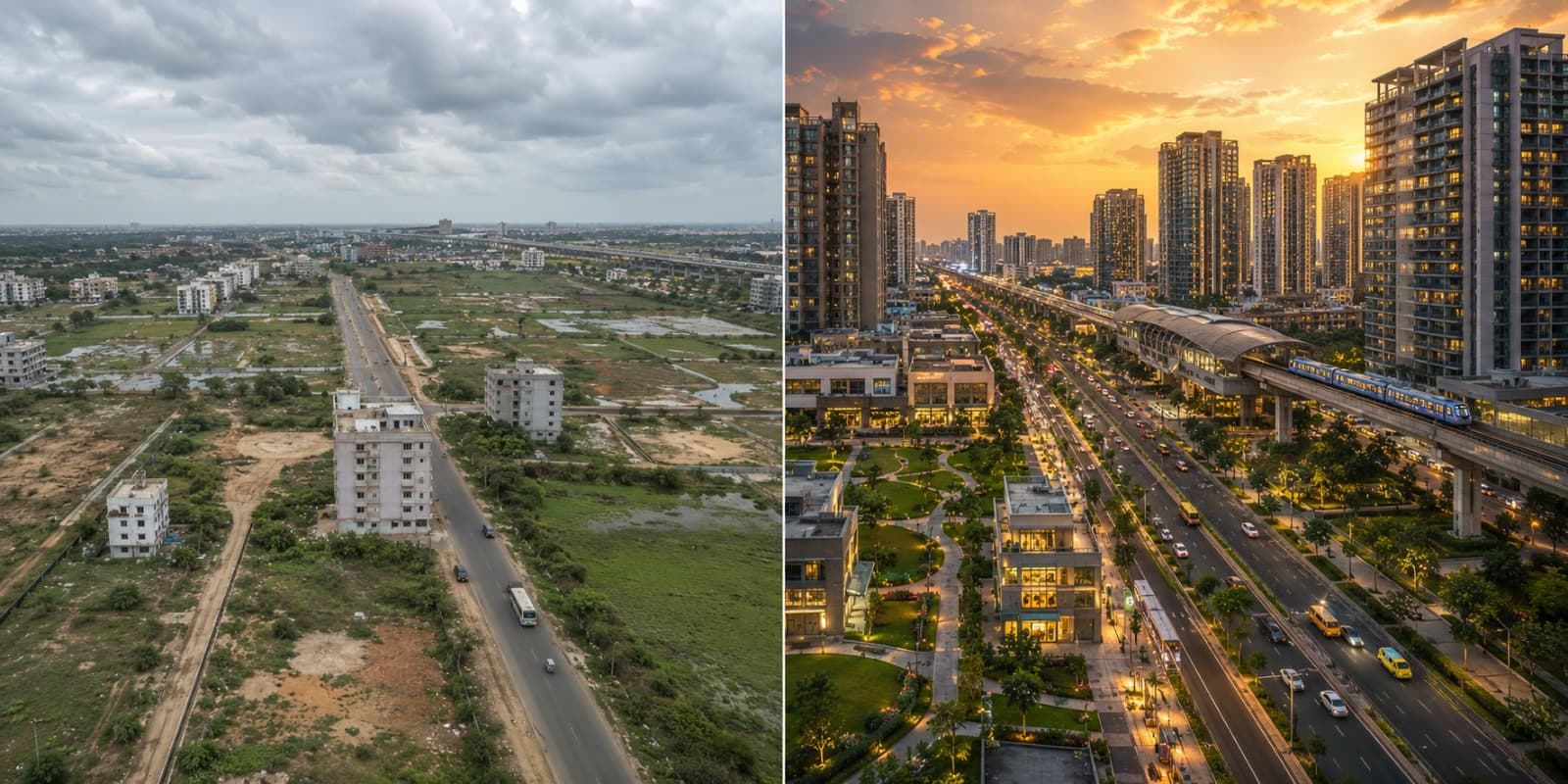
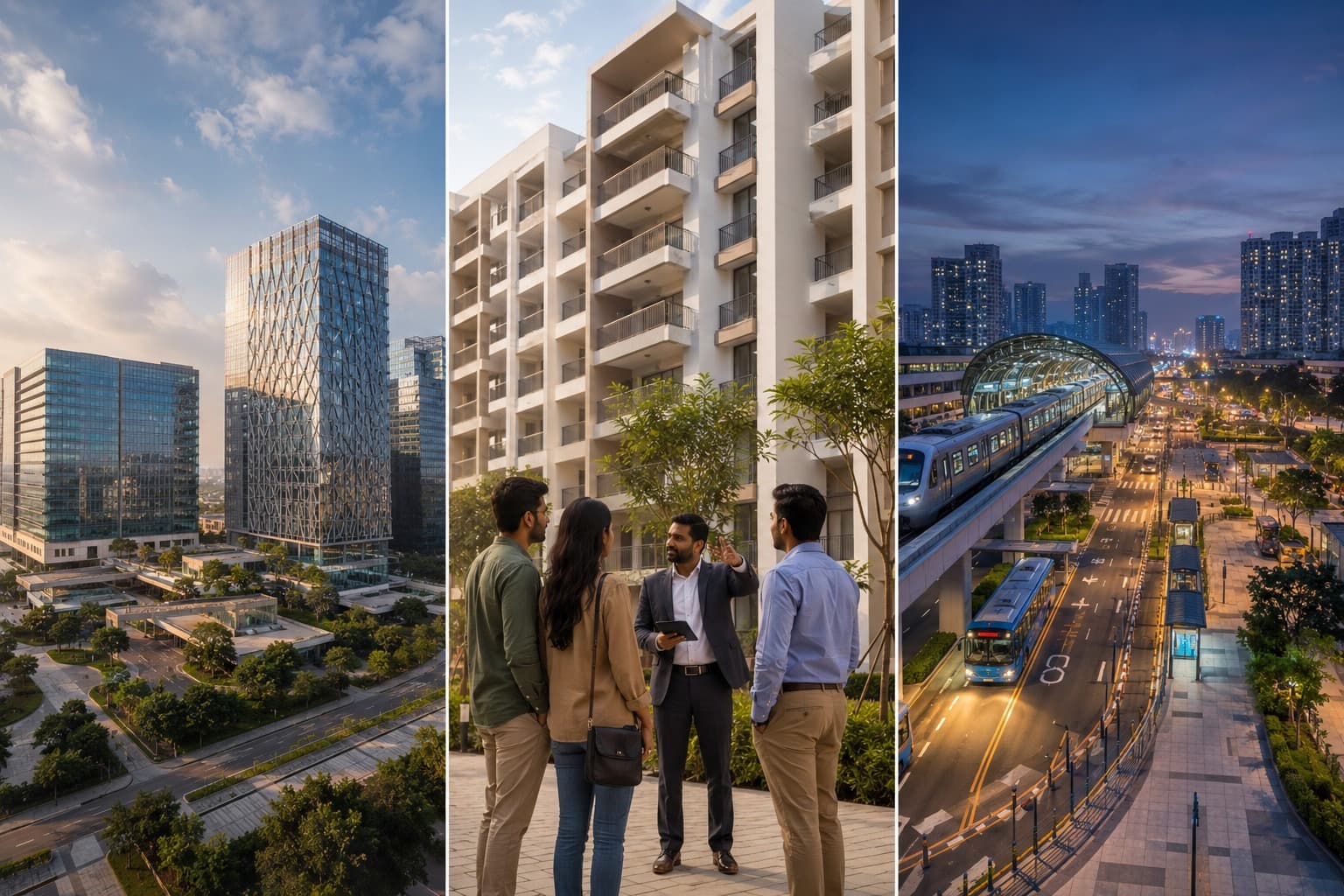
Peripheral areas around major job hubs, where rents remain comparatively affordable, are seeing rising tenant demand as workers seek value over proximity. For investors, this points toward emerging micro-markets along outer transit corridors in Bengaluru, Mumbai and Pune as the next wave of rental yield opportunity.
Summary
Markets benefiting migrant workforce demand are concentrated in India's major metros, with co-living spaces and institutional rental platforms emerging as the fastest-growing response. Bengaluru, Mumbai, Delhi-NCR and Pune remain the strongest demand centres, while government-backed Affordable Rental Housing Complexes and large-scale institutional investment signal a maturing, increasingly organised rental ecosystem built around India's growing urban migrant population.