
How to Verify Your Building's Fire Safety System
Summary
Ensure your building's fire safety with regular system checks. This guide covers alarms, equipment, exits, utilities, and training to help you stay compliant and protect lives.

Introduction
Fire safety is not only a legal requirement but also a basic responsibility for anyone who owns, manages, or occupies a building. A properly planned fire safety system helps protect lives, property, and business continuity. Many people assume that installing equipment once is enough, but fire safety inspection must be done regularly to confirm everything works as intended. Knowing how to verify fire safety system arrangements helps residents and buyers make informed decisions and stay prepared for emergencies.
Understanding the Fire Safety System
A fire safety system is a combination of equipment, design measures, and procedures created to detect, control, and manage fire risks. It includes alarms, extinguishers, sprinklers, smoke control features, and evacuation planning. Each part plays a specific role during an emergency. A building fire safety review begins with understanding what systems are installed and how they are expected to function together during a fire incident.
Checking Fire Detection and Alarm Setup
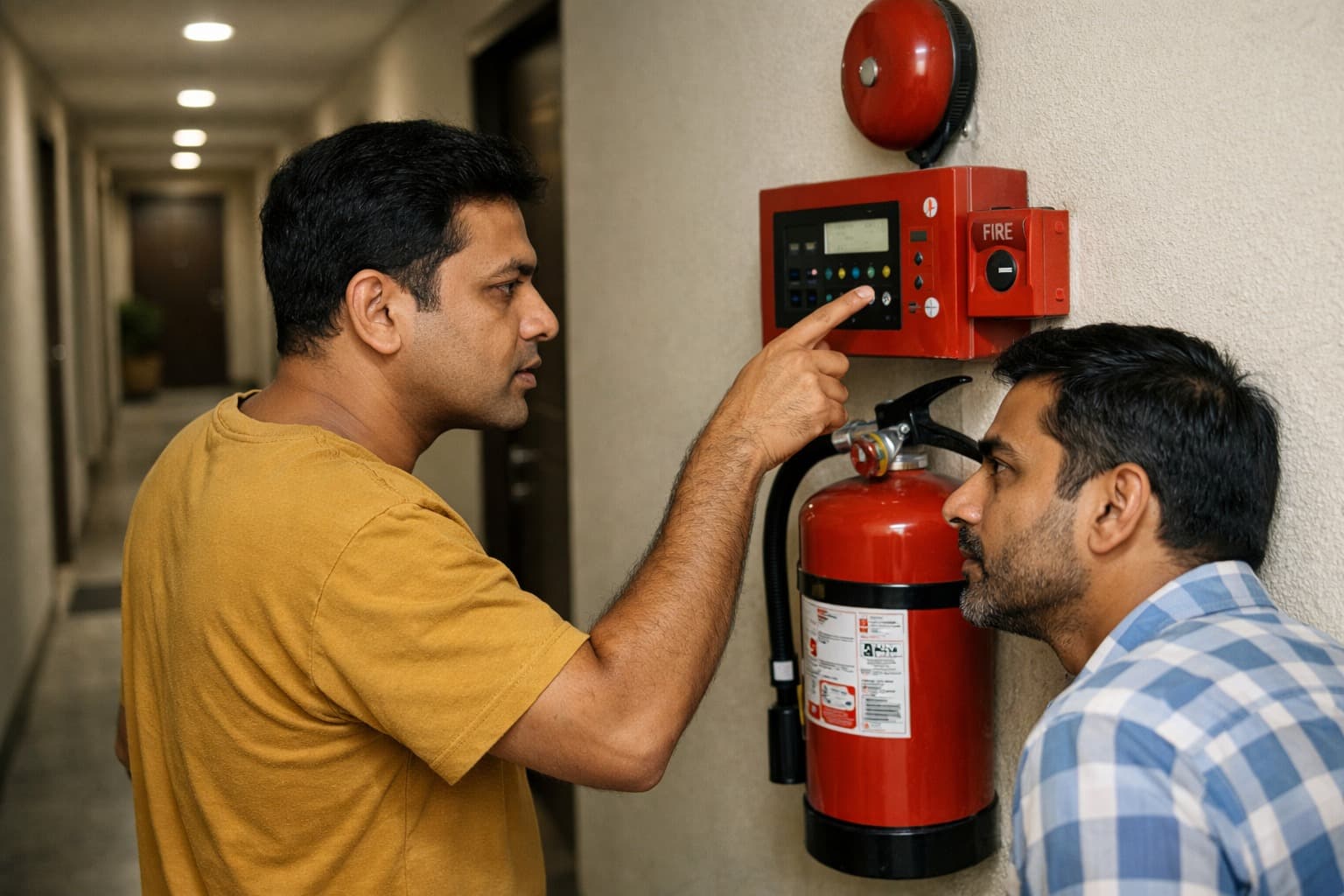
Fire detection is the first warning layer of any fire protection system. Smoke detectors, heat sensors, and manual call points must be present at appropriate locations. During a fire safety inspection, verify whether alarms are audible across all areas and whether backup power is available. Regular testing records should be maintained. Proper detection ensures timely alerts and reduces response time, which is essential for both residential fire safety measures and commercial fire safety inspection needs.
Reviewing Firefighting Equipment Availability
Fire extinguishers, hose reels, and sprinkler systems must match the building’s size and usage. When following a fire safety checklist, check extinguisher type, pressure condition, and expiry date. Sprinkler heads should not be blocked or painted. Equipment must be easily accessible and clearly marked. This step is crucial when learning how to check fire safety system readiness in a building.
Evaluating Emergency Exits and Escape Routes
Safe evacuation depends on clear and usable escape paths. Emergency exits should never be locked, blocked, or poorly lit. Exit signage must remain visible even during power failure. Staircases should be fire-resistant and free from storage items. Verifying exit routes is a key part of fire safety compliance for buildings, as it directly affects occupant safety during emergencies.
Inspecting Electrical and Utility Safety
Faulty wiring is a common fire cause. Fire safety audit process reviews include checking electrical panels, cable insulation, and load management. Gas pipelines and generators must be installed with safety valves and regular maintenance logs. Ensuring utility safety reduces ignition risks and strengthens overall building fire safety reliability.
Verifying Maintenance Records and Compliance
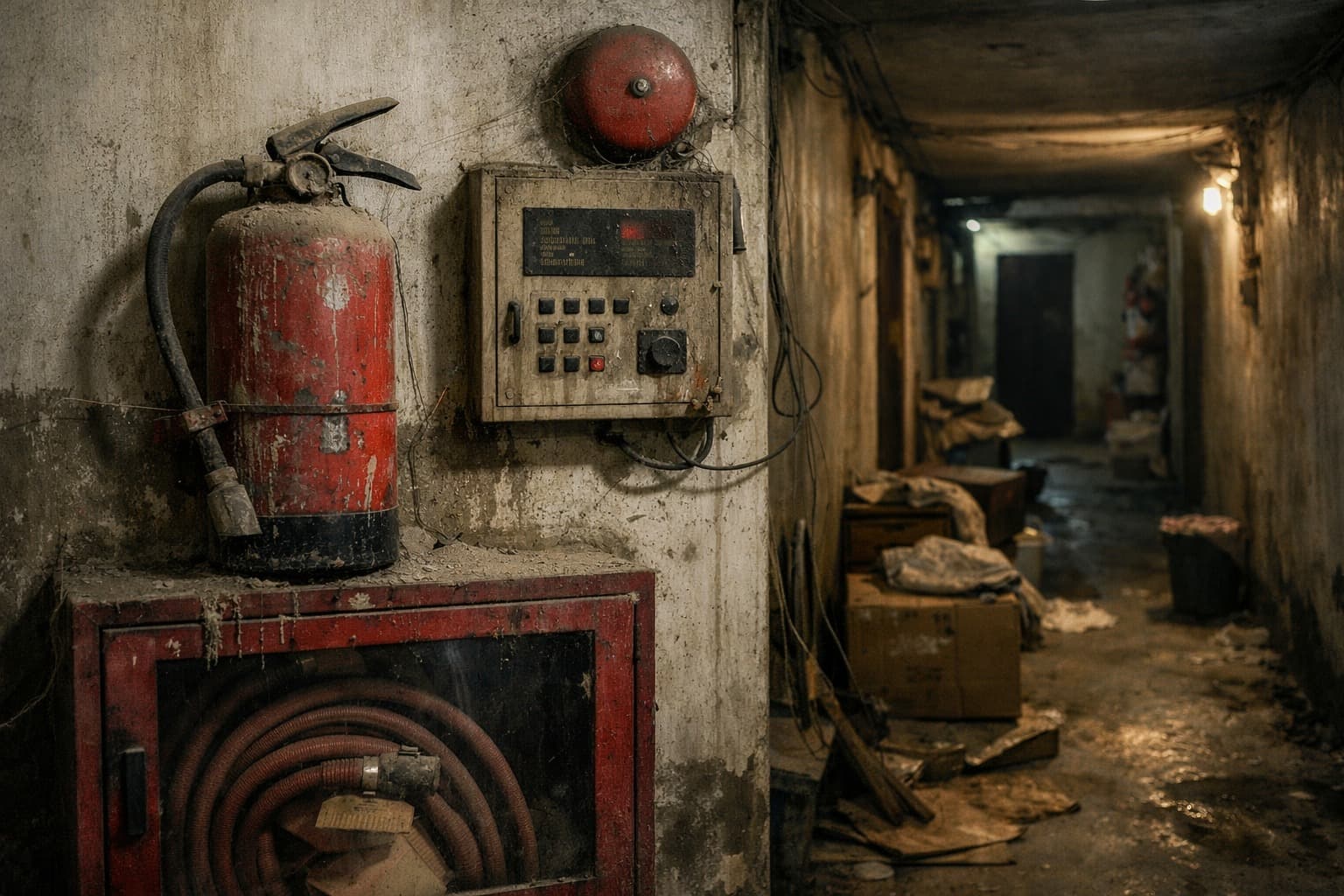
A system is only reliable if it is maintained properly. Ask for inspection reports, service certificates, and mock drill records. Buildings must follow steps to verify fire safety compliance in India as per local fire authority norms. A fire safety audit checklist for commercial properties often highlights documentation gaps that should be corrected immediately.
Assessing Training and Emergency Preparedness
Even the best systems fail without trained occupants. Residents and staff should know alarm sounds, evacuation plans, and extinguisher usage. Regular drills build confidence and reduce panic. This human aspect is often overlooked but is a vital part of fire safety systems required in residential buildings and workplaces.
Importance for Buyers and Occupants
For property buyers and tenants, verifying fire safety inspection checklist for apartments ensures peace of mind. A compliant building reduces insurance risks and improves long-term value. Fire safety is not an optional feature but a continuous responsibility that protects everyone inside the premises.
Summary
Fire safety verification is a structured process that goes beyond visual checks. By reviewing alarms, equipment, exits, utilities, documents, and training, occupants can ensure real preparedness. A reliable fire safety system protects lives and assets while ensuring legal compliance. Regular inspections and awareness help reduce risks and build confidence among residents, employees, and property owners. Fire safety should always be treated as an ongoing commitment rather than a one-time formality.