
How to Save for Your First Home: A Comprehensive Guide
Summary
Saving for your first home requires planning and discipline. Set clear goals, budget wisely, automate savings, and use the right tools. An emergency fund and consistent monitoring will help you achieve your homeownership dream.

Introduction
Saving for your first home is a major financial goal that requires clear planning, discipline, and patience. Unlike short-term purchases, buying a home involves large sums of money and careful consideration of future responsibilities. For many, saving feels overwhelming at first. However, with the right strategies, you can build strong savings over time, achieve financial stability, and confidently take your first step toward homeownership. This blog will help you understand practical ways to save money, set realistic targets, and protect your financial future while you prepare for the biggest investment of your life.
1. Set a Clear Savings Goal for Your Home
Before you start saving, it is essential to know what you are saving for and how much you need. Estimate the total cost of the home, including the down payment, taxes, registration fees, legal charges, and other additional cost considerations.
An ideal starting point is to calculate the amount you need for the down payment, which is usually around 20% of the property price. Once you have this figure, you can set a clear monthly target. Knowing exactly how much you need to save will help you develop a strong saving strategy and stay motivated throughout your journey.
2. Create and Track Your Monthly Budget
A practical monthly budget is the foundation of consistent savings. Begin by listing your income and fixed costs, such as rent, bills, groceries, transport, and any existing liabilities. Once you know your regular expenses, identify areas where you can reduce spending and redirect that amount toward your savings fund.
Track your spending every month so you understand where your money is going. Cutting back on small daily expenses — like eating out frequently, entertainment subscriptions, or impulse purchases — can free up significant amounts of money over time. A disciplined budget plan helps you control your expenses and reach your savings target sooner.
3. Automate Your Savings
One of the most effective tools in savings habits is automation. Set up automatic transfers from your salary account to a separate savings account dedicated solely to your home fund. This ensures that you save first and spend later, making saving a priority rather than an afterthought.
Many banks and digital platforms allow automated transfers on a scheduled basis. By committing to a regular saving pattern early in the month, you avoid the risk of spending those funds elsewhere. Over time, automated saving builds a strong financial foundation with minimal effort.
4. Choose the Right Savings Tools
Simply keeping money in your regular account may not be enough to grow your savings in a meaningful way. Consider using financial products that help your money grow steadily. These include fixed deposits, recurring deposits, government savings schemes, or low-risk mutual funds.
Choosing the right savings tool depends on your comfort with risk and your target timeline. Instruments that offer higher interest than a standard savings account can help your money grow faster while keeping your funds relatively safe. Balancing safety and returns ensures that your home savings grow steadily without exposure to unnecessary market risk.

5. Build an Emergency Fund First
Before aggressively saving for your home, make sure you have a strong emergency fund in place. This fund should cover at least three to six months of your living expenses and protect you in case of sudden events like job loss, health emergencies, or unexpected repairs.
An emergency reserve prevents you from dipping into your home savings when life throws surprises. It protects your financial journey and keeps your saving goals on track without unnecessary stress.
6. Prioritize Your Down Payment Over Luxuries
If you have clear savings goals, it’s important to prioritize them over non-essential luxuries. Delay big ticket purchases such as expensive vacations, new gadgets, or cars until after you achieve your home savings target. This does not mean you can never enjoy life — it simply means being mindful about timing and prioritizing your financial commitments.
Setting short-term rewards for meeting savings milestones can keep you motivated while helping you stay focused on your main goal of owning a home.
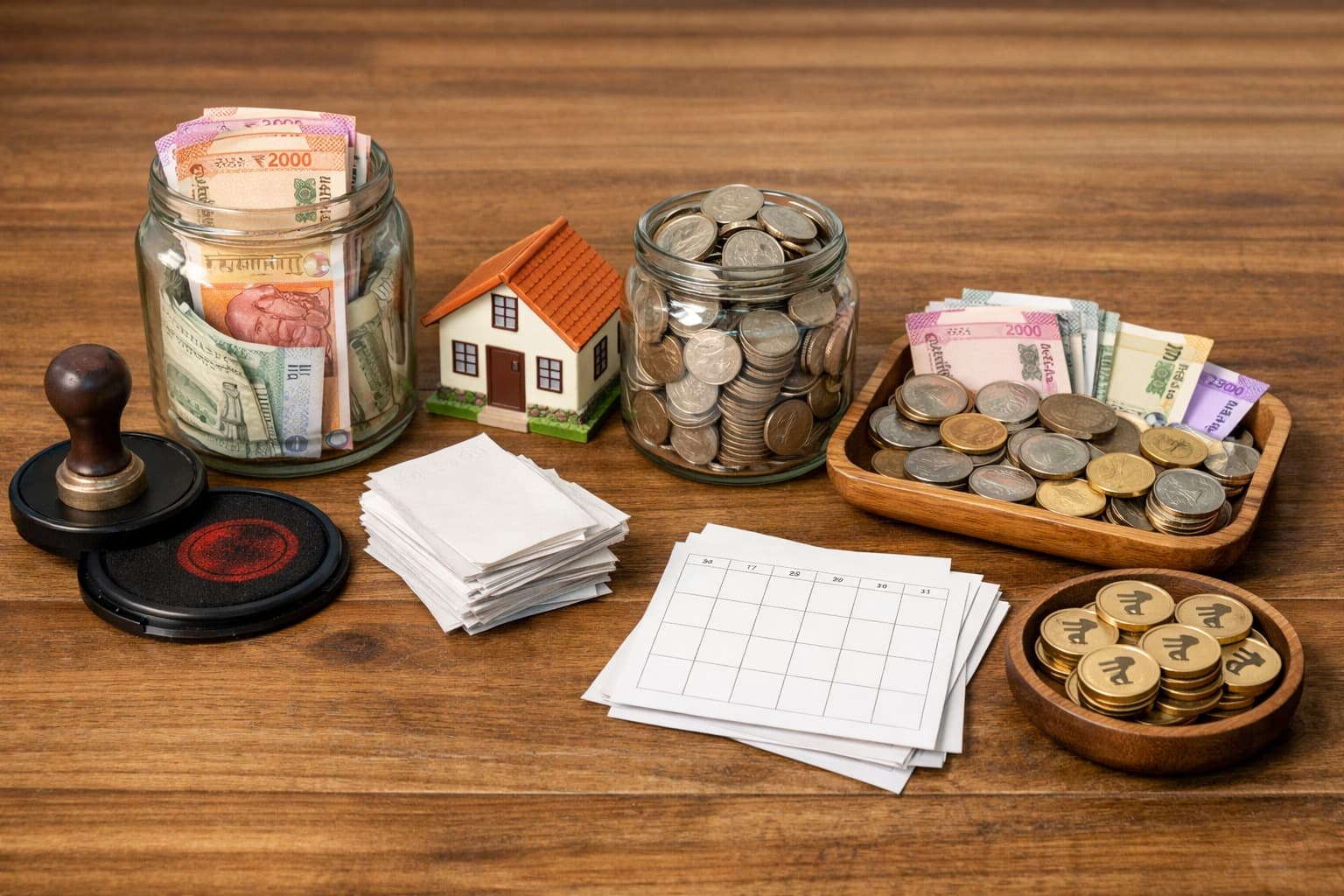
7. Monitor and Adjust Your Savings Plan
Life changes like growth in income, changing expenses, or new financial responsibilities may require adjustments to your savings plan. Revisit your goals and budget at least every few months to check your progress. Tracking your performance helps you stay accountable to your own plan.
If you receive a bonus or a salary increase, consider allocating a portion of it directly to your savings fund. Adjusting your plan with life changes ensures that your saving pattern remains strong and effective.
8. Make Your Savings Work for You
Saving consistently is just the beginning — you also want your money to work harder for you. While keeping your savings safe, consider balancing it with avenues that generate higher returns over the medium term without too much risk.
Before investing, always review the safety, liquidity, and expected return of any financial instrument. Wise selection of tools can significantly help you reach your down payment target sooner and with greater confidence.
Summary
Saving for your first home requires patience, planning, and financial discipline. Start by setting a clear savings goal and mapping out all expenses including additional cost considerations. Build a monthly budget, automate transfers into a dedicated savings account, and use appropriate financial tools to grow your funds. Protect your progress by maintaining a strong emergency fund. Adjust your plan as life changes, and stay committed to your down payment target. Smart saving today brings you closer to owning your dream home with confidence and financial peace.