
How to Inspect and Maintain Your Home's Drainage and Sewage Systems
Summary
Maintain a healthy home by inspecting drainage and sewage systems. This guide covers checks for leaks, blockages, and design flaws, highlighting the importance of regular upkeep and professional help for long-term system health.

Introduction
A healthy home depends not only on strong walls and good interiors but also on an efficient drainage system and sewage system. Many homeowners ignore underground pipelines until serious problems arise. Blocked drains, foul smell, water leakage, and sewage backup can damage property and affect health. Regular inspection of home plumbing and wastewater system helps prevent costly repairs. Learning proper drain inspection methods allows residents to maintain hygiene, safety, and long-term property value.
Understanding Drainage and Sewage Systems
Every residential building has two main systems for wastewater management. The drainage system removes rainwater and surface water, while the sewage system carries dirty water from bathrooms, kitchens, and toilets. These systems are connected to municipal lines or septic tanks. A proper drainage and sewage system check ensures smooth water flow and prevents contamination. Both systems must work together to maintain a clean living environment.
Importance of Regular System Inspection
Ignoring home drainage inspection can lead to serious structural and health problems. Water stagnation weakens foundations. Sewage leaks spread bacteria and cause infections. Bad odour reduces living comfort. Regular inspection helps detect cracks, blockages, and corrosion early. This prevents expensive emergency repairs and ensures smooth residential sewage maintenance.
Checking Surface Drainage Around the Property
The first step in inspection is observing external drainage. Rainwater should flow away from the building. Check for water pooling near walls, gardens, and parking areas. Blocked surface drains indicate poor design or clogging. Broken covers and damaged channels should be repaired immediately. Proper surface drainage protects foundations and reduces moisture-related damage.
Inspecting Internal Drainage Lines
Internal drainage includes bathroom, kitchen, and utility pipes. Observe water flow speed while using sinks and showers. Slow drainage indicates blockage. Listen for gurgling sounds, which suggest air trapped in pipes. Frequent plumbing drainage problems often start inside the house. Early detection prevents complete pipe failure.
Examining Sewage Pipes and Connections
Sewage pipelines carry waste to municipal lines or septic tanks. Check exposed pipes for cracks, rust, or leaks. Inspect joints and connectors for loose fittings. A sewage line inspection ensures waste flows without obstruction. Any leakage must be repaired immediately to prevent contamination.
Identifying Signs of Drainage Problems
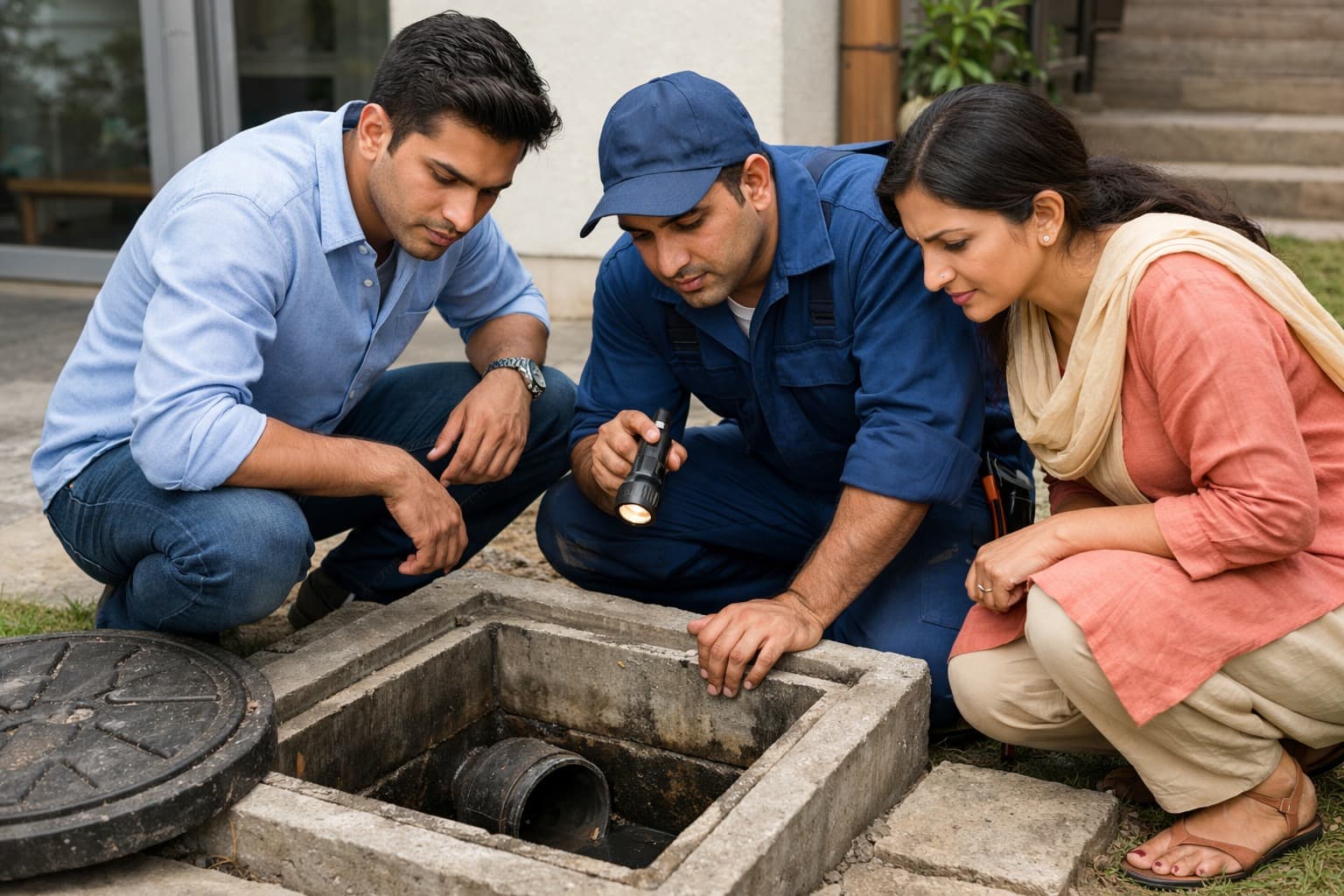
Common warning signs include foul smell, water backup, damp walls, slow drainage, and frequent clogging. Overflowing manholes and wet patches in basements indicate serious faults. These are clear signs of poor sewage system in residential buildings. Ignoring these signals can lead to major repair expenses.
Checking Manholes and Inspection Chambers
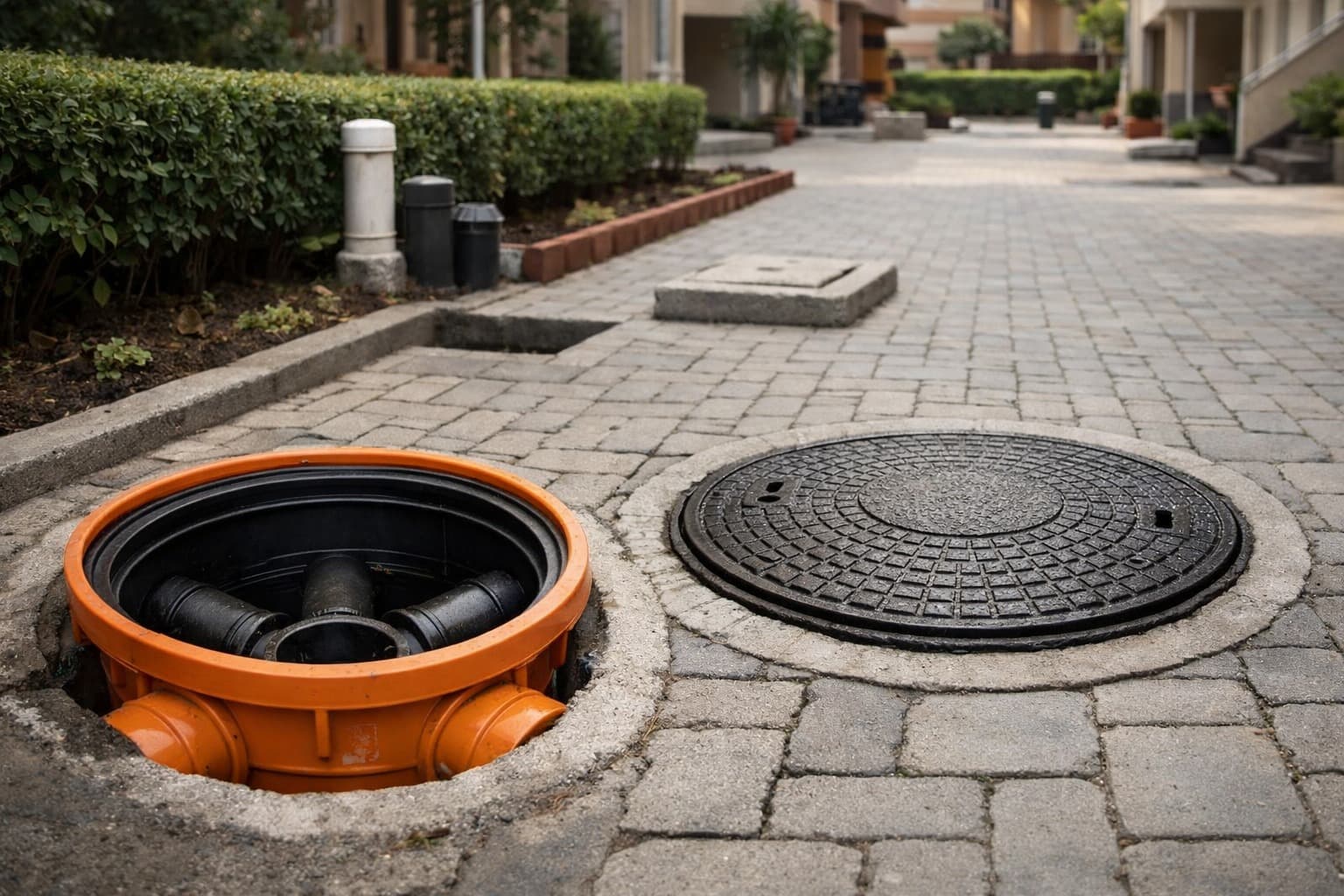
Manholes provide access to underground pipelines. Open covers carefully and observe water level and waste flow. Standing sewage indicates blockage. Broken covers are safety hazards. Clean inspection chambers regularly. These chambers are vital for how to check drainage and sewage systems at home properly.
Assessing Septic Tank and Soak Pit (If Applicable)
Homes not connected to municipal sewage rely on septic tanks. Check tank overflow, smell, and sludge level. Overflowing tanks damage soil and groundwater. Periodic cleaning is essential. A neglected septic system leads to major hygiene issues and legal penalties.
Using Professional Inspection Tools
Modern inspection includes CCTV cameras and pressure testing. These tools detect hidden cracks and root intrusion. Professionals use advanced equipment for complete guide to drainage inspection in houses. Annual professional inspections improve system reliability and extend pipeline life.
Evaluating Ventilation and Air Flow
Drainage systems need proper ventilation to release gases. Vent pipes prevent pressure buildup. Blocked vents cause slow drainage and odour. Check rooftop vent openings for debris. Good ventilation improves system efficiency and indoor air quality.
Reviewing Building Drainage Design
Poor design causes repeated problems. Pipes should have proper slope for gravity flow. Sharp bends increase blockage risk. Overloaded systems fail quickly. Reviewing design is part of drainage and sewage system checklist for homeowners to ensure long-term performance.
Maintenance Practices for Long-Term Health
Regular cleaning prevents grease and waste buildup. Avoid throwing food waste, oil, and sanitary items into drains. Use strainers in sinks. Schedule periodic flushing. These habits support how to maintain home drainage and sewage system effectively.
Legal and Municipal Compliance
Municipal authorities regulate sewage connections and treatment. Illegal connections attract penalties. Ensure property complies with drainage norms. Proper documentation supports insurance claims and resale value. Compliance ensures safe waste disposal.
Health and Environmental Impact
Poor sewage systems spread diseases and contaminate water sources. Mosquito breeding increases around stagnant water. Children and elderly are most affected. Efficient drainage protects public health and environmental balance.
Role of Professional Plumbers and Engineers
Complex issues require expert support. Certified plumbers and civil engineers assess structural and hydraulic faults. Their guidance prevents repeated failures. Professional help ensures long-term system stability and cost control.
Cost Planning for Repairs and Upgrades
Minor repairs cost less than emergency replacements. Allocate maintenance budgets yearly. Upgrading old pipelines improves property value. Planned investment avoids sudden financial burden.
Conclusion
Checking drainage and sewage systems regularly is essential for healthy and safe living. From surface drains to underground pipelines and septic tanks, every component needs attention. Early detection of faults, proper maintenance, and professional inspections prevent major damage. A well-maintained system protects property, health, and long-term financial security. Homeowners who follow systematic inspection practices enjoy trouble-free living and higher asset value.
Summary
Regular inspection of drainage and sewage systems is vital for maintaining hygiene, safety, and property value. Homeowners should check surface drains, internal pipes, sewage lines, manholes, and septic tanks for blockages, leaks, and damage. Warning signs such as foul smell, slow drainage, and water backup must be addressed early. Professional inspections, proper ventilation, legal compliance, and preventive maintenance ensure long-term system efficiency. A structured checklist helps prevent costly repairs and supports healthy, comfortable living.