
How To Compare Three Similar Flats Without Getting Confused
Summary
Comparing similar flats requires looking beyond initial appeal. Focus on true landed cost, carpet area, builder track record, actual location, and essential amenities for a confident, informed home-buying decision.

Introduction
Three shortlisted flats, all in a similar budget, all looking equally appealing on paper. This is the point where most buyers freeze. A proper property comparison is not about picking the prettiest sample flat, it is about laying facts side by side until the differences that actually matter start showing themselves. Get this stage right and the decision that follows becomes almost obvious.
Why Comparing On Price Alone Fails You
The sticker price is the easiest number to compare and the least useful one on its own. Two flats priced identically can differ wildly once you factor in carpet area, floor rise charges, parking cost, and maintenance deposits. Anyone doing a serious property evaluation needs to build a true landed cost for each option before any real comparison can begin.
Break Down The Price Per Square Foot Properly
This is the core of any real price per square foot comparison guide. Always calculate cost using carpet area, not the super built up figure builders love to quote. A flat that looks cheaper per square foot on paper can turn out costlier once you account for a lower carpet to super area ratio. This single adjustment alone has flipped the outcome in plenty of comparisons buyers thought were already settled.
Look Past The Brochure At The Builder's Track Record
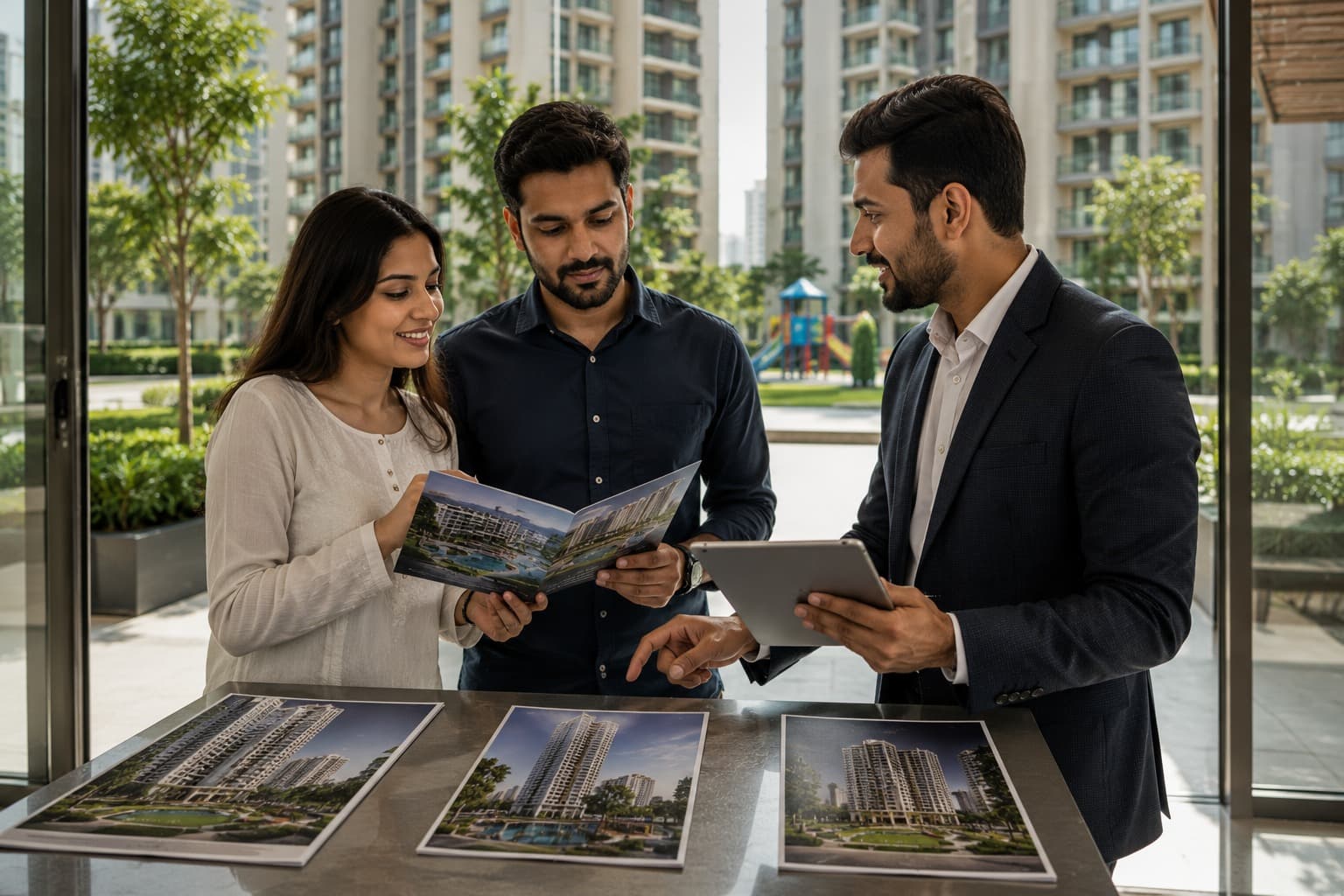
Sample flats are designed to sell a feeling, not to represent reality. Check each builder's delivery history instead. Did their last two projects hand over on time? Are there pending RERA complaints? A builder with a clean, boring track record of on time delivery is usually a safer bet than one promising a slightly fancier lobby.
Location Isn't Just The Pin Code
Two properties in the same locality can still differ enormously depending on what surrounds them directly. One might face a busy road, another might back onto a garbage collection point, a third might sit right next to a school that turns the street chaotic every morning and afternoon. Walk the immediate surroundings of each property, not just the neighbourhood on a map.
Amenities That Actually Matter Versus Ones That Look Good
A rooftop infinity pool photographs beautifully and gets used maybe twice a year. Reliable power backup, decent lift maintenance, and a functioning water supply get used every single day. When you're comparing similar properties, weigh the boring, dependable amenities higher than the ones designed purely for the brochure photo.

Resale And Rental Potential
Ask yourself honestly which of the three would sell fastest if you needed to exit in five years. Comparing resale value of properties properly means looking at proximity to metro connectivity, established schools, and employment hubs, since these hold rental and resale demand steadier than a project relying purely on future infrastructure promises.
Loan Eligibility And Hidden Costs
Not every project gets approved for financing by every bank, and that detail changes your effective comparison completely. Check which of your shortlisted properties has approvals from multiple lenders, since that widens your negotiating room on interest rates. Also tally registration charges, GST, and society formation costs separately for each option rather than assuming they are roughly the same.
Trust Your Gut, But Verify It First
After all the spreadsheets, there is usually one flat that simply feels right. That instinct is valid, but it deserves a final round of verification before you act on it. Revisit the shortlisted flat at a different time of day, speak to a couple of existing residents if possible, and confirm the numbers on paper still hold up outside the sales office.
Summary
How to compare three similar properties before buying comes down to discipline rather than instinct alone. A sound property comparison checklist looks beyond price per square foot into builder reliability, immediate surroundings, genuinely useful amenities, and long term resale strength. Buyers who slow down at this stage, verify loan approvals, and revisit their shortlist honestly tend to make the best flat to buy decision instead of choosing based on whatever felt nicest on the first visit.