Introduction
Choosing the perfect office location is a critical business decision that goes far beyond selecting an address. The right location influences employee productivity, client accessibility, operational efficiency, brand perception, and long-term growth. An office acts as a physical reflection of a company’s values and ambitions. Businesses that invest time in evaluating location-related factors are better positioned to create a productive environment, attract talent, and maintain competitiveness. A well-planned office location supports present operational needs while also accommodating future expansion and changing work patterns in an increasingly dynamic business landscape.
Accessibility and Commuting Convenience
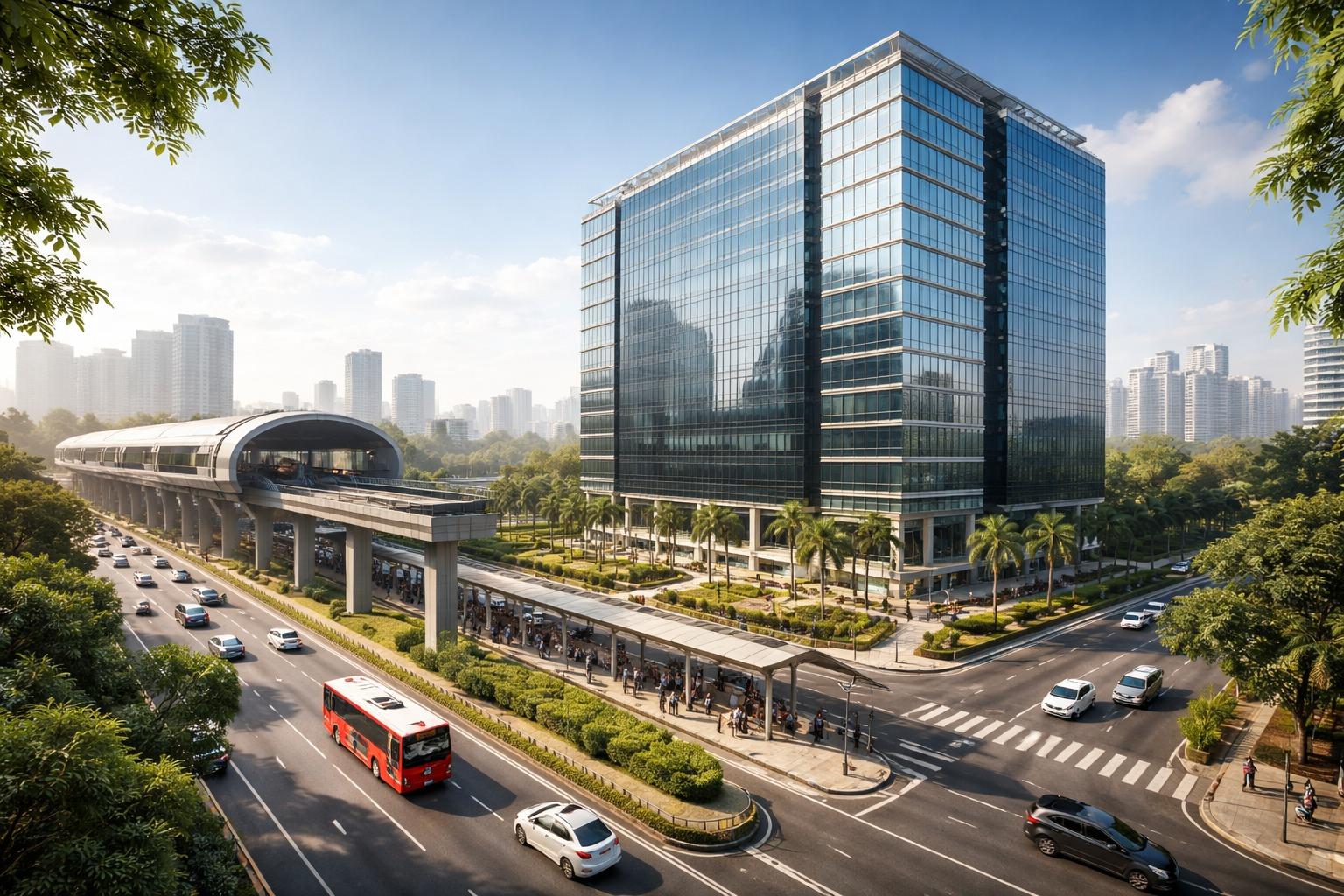
Accessibility is one of the most influential factors when selecting an office location. Employees spend a significant portion of their day commuting, and long or stressful travel negatively impacts morale, punctuality, and productivity. Offices located near public transportation such as metro stations, bus routes, or railway hubs are generally more attractive to a broader talent pool. Road connectivity and traffic patterns should also be studied carefully. Locations with manageable congestion and multiple access routes reduce daily delays. For clients, easy navigation, visibility, and proximity to major roads enhance convenience and encourage regular interaction.
Cost, Budget, and Lease Planning
Financial feasibility plays a central role in office location decisions. Rent is only one component of the total occupancy cost. Utilities, maintenance charges, parking fees, and common area expenses must be included in the budget. Prime business districts often command higher rents but may offer reputational benefits. Emerging business areas may provide cost advantages while still delivering adequate infrastructure. Lease terms require close attention, particularly escalation clauses, lock-in periods, renewal rights, and exit conditions. Evaluating long-term affordability instead of short-term savings helps businesses avoid financial strain and supports sustainable operations.
Amenities, Safety, and Employee Wellbeing
The surrounding environment of an office significantly affects employee satisfaction and retention. Proximity to restaurants, cafes, banks, fitness centers, and amenities improves daily convenience and encourages a healthier work-life balance. Access to childcare facilities can be particularly valuable for working parents. Safety is equally important and should never be compromised. Businesses must evaluate local crime levels, building security systems, lighting conditions, and emergency service access. A secure and amenity-rich location fosters peace of mind, improves morale, and creates a supportive atmosphere for consistent performance.
Client Access and Professional Image
An office location strongly shapes how clients perceive a business. Being situated in a recognized commercial district can enhance credibility and trust. Client access is especially important for organizations that rely on frequent meetings and consultations. Client-facing businesses should prioritize locations that are easy to find, well connected, and professionally maintained. The neighborhood, building design, and surrounding businesses collectively contribute to the overall brand image. A thoughtfully chosen location reinforces professionalism, reliability, and commitment, strengthening long-term client relationships and supporting business development efforts.
Alignment with Company Culture
Office location should align with organizational values and internal working styles. A fast-paced corporate environment may benefit from a central business district, while creative or technology-driven teams may thrive in mixed-use or innovation-focused areas. The character of the neighborhood, architectural style of the building, and availability of social spaces influence daily work experience. Employees are more engaged when their workplace environment reflects company culture. Selecting a location that resonates with internal values strengthens identity, improves collaboration, and contributes to higher job satisfaction.
Future Growth and Scalability
A strategic office location must support future growth and scalability. Businesses should assess whether additional space will be available within the same building or nearby if expansion becomes necessary. Flexible layouts, scalable lease options, and modern infrastructure make adaptation easier. Studying local development plans, infrastructure projects, and economic trends helps predict whether an area will remain viable over time. A future-ready location minimizes the need for frequent relocations, reduces operational disruption, and supports long-term strategic planning as the organization evolves.
Infrastructure and Sustainability Considerations
Modern offices depend heavily on reliable infrastructure. High-speed internet connectivity, sufficient power capacity, efficient heating and cooling systems, and backup utilities are essential for uninterrupted operations. Building age and maintenance standards also affect reliability and comfort. Sustainability has become an important consideration for many organizations. Energy-efficient buildings, natural lighting, effective waste management, and environmentally responsible design reduce operational costs and support employee wellbeing. Sustainable office locations also enhance corporate reputation and align with broader environmental responsibility goals.
Making the Final Decision
After shortlisting potential locations, businesses should conduct detailed site visits at different times of the day. Gathering employee feedback provides valuable insight into commuting preferences and workplace expectations. Comparing locations using a weighted evaluation framework helps prioritize critical factors objectively. Financial projections should include all long-term costs and potential risks. The ideal office location balances accessibility, affordability, comfort, scalability, and brand alignment. A careful and structured decision-making process ensures the office becomes a strategic asset rather than an operational burden.
Careful location planning reduces risk, improves collaboration, supports recruitment goals, and allows leadership to focus on innovation, growth, and performance rather than relocation challenges consistently.
Summary
Choosing the perfect office location requires balancing accessibility, cost, amenities, safety, infrastructure, culture, and future growth. The right location improves employee satisfaction and retention, strengthens brand image, enhances client relationships, and supports long-term operational efficiency. Businesses should evaluate both immediate needs and future plans before committing. A well-chosen office location acts as a foundation for productivity and stability. Thoughtful planning, employee input, and financial analysis together help ensure the office supports sustainable business success over time.