
How to Check Water Pressure & Supply Before Buying a Home
Summary
Don't buy a home without checking the water! This guide details how to assess water pressure, supply reliability, and potential plumbing issues before you commit, saving you headaches and costs down the road.

Introduction
Water availability affects daily comfort more than most buyers realise. A home may look perfect, but weak water pressure or unreliable supply can quickly turn living into a struggle. Many buyers only discover these issues after moving in, when fixes become expensive or impossible. Knowing how to check water pressure & supply before purchase helps buyers avoid inconvenience, added costs, and long-term dissatisfaction. This guide explains simple, practical checks every buyer should perform before finalising a property.
Why Water Pressure and Supply Matter
Adequate water pressure ensures smooth use of taps, showers, washing machines, and water heaters. Consistent supply supports hygiene, cooking, and cleaning. Poor pressure or irregular supply affects daily routines and appliance efficiency. In apartments, water issues often worsen during peak hours. Checking water systems early protects comfort, safety, and property value during ownership.
Understanding Water Supply Sources
Before testing pressure, buyers should understand the source of water. Properties may receive municipal supply, borewell water, tanker supply, or a combination. Each source has different reliability levels. Municipal supply may be limited to fixed hours, while borewells depend on groundwater levels. Knowing the source helps assess long-term sustainability.
Checking Water Availability Timing
Buyers should ask when water is supplied during the day. Limited supply windows indicate dependency on storage tanks. Visiting the property during supply hours reveals actual pressure conditions. Checking only during non-supply hours can give misleading impressions about system performance.
Testing Water Pressure at Taps
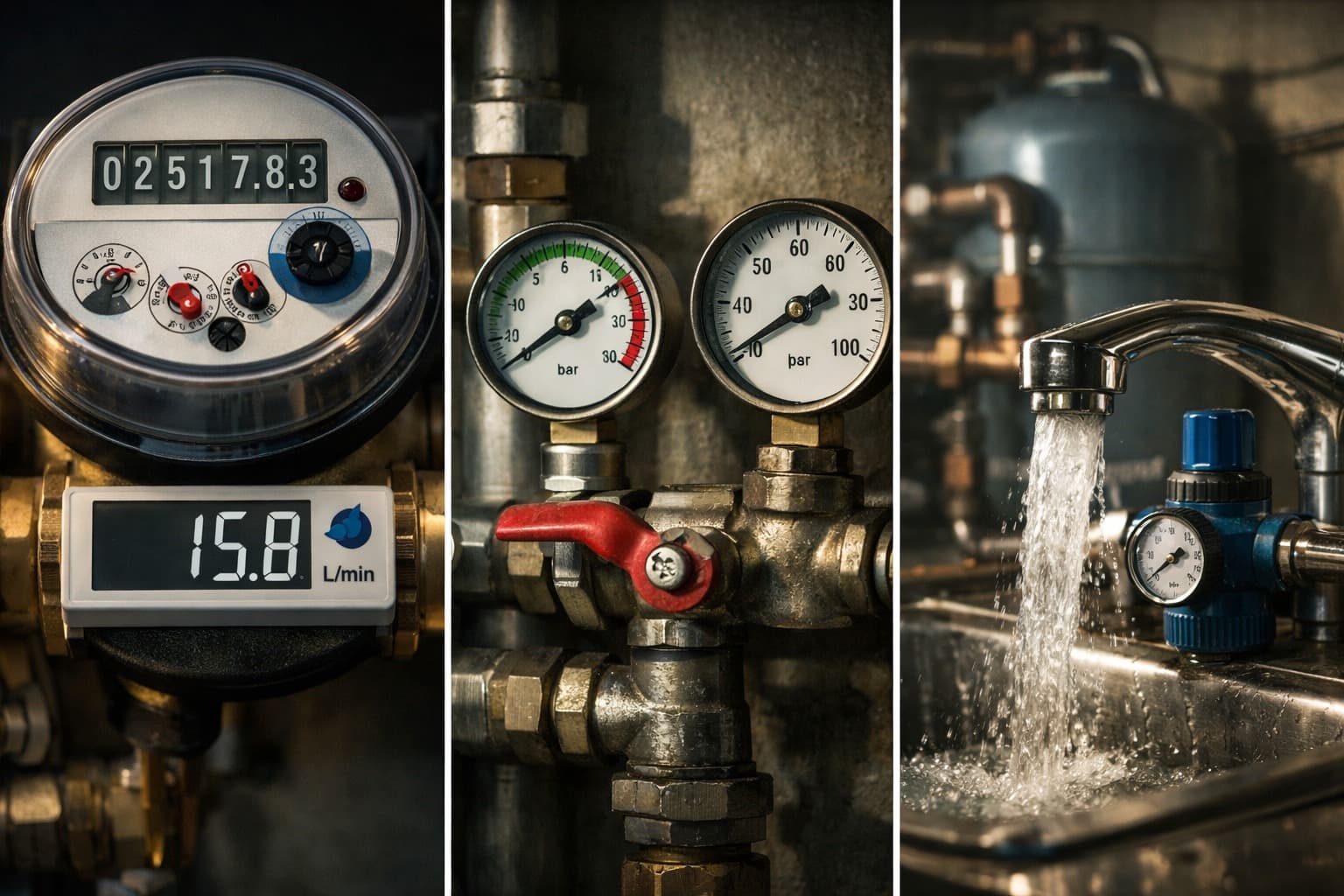
To check pressure, open multiple taps at once. Observe whether flow reduces significantly. Weak flow when multiple taps run suggests low pressure. Buyers should test taps in bathrooms, kitchen, and balconies. This basic method gives a practical idea of home water supply check conditions.
Shower and Bathroom Pressure Check
Showers reveal pressure issues better than taps. Buyers should turn on the shower and check spray strength. Inconsistent spray or sudden drops indicate pressure instability. Bathrooms on higher floors deserve special attention due to gravity impact on supply systems.
Checking Pressure During Peak Usage Hours
Water pressure often drops in mornings and evenings when usage is highest. Buyers should try to visit during these times. Good pressure during peak hours indicates a well-designed system. Poor pressure suggests future inconvenience during daily routines.
Inspecting Overhead and Underground Tanks
Storage tanks play a major role in water availability. Buyers should check tank size, cleanliness, and condition. Small or poorly maintained tanks cause shortages. Adequate storage supports stable supply even during municipal interruptions.
Borewell and Pump System Check
If the property relies on a borewell, buyers should check pump condition and capacity. Frequent pump operation indicates weak groundwater yield. Asking about borewell depth and maintenance history helps assess reliability in the long term.

Checking Pressure at Different Floors
In multi-storey buildings, pressure varies by floor level. Buyers should test taps on the exact floor of the unit. Lower floors may have strong pressure, while higher floors may struggle. This is critical for apartment buyers evaluating water pressure problems.
Verifying Pump Operation and Backup
Most buildings use booster pumps to maintain pressure. Buyers should check whether pumps operate automatically and have backup power. Power-dependent pumps without backup can cause supply failure during outages.
Inspecting Plumbing Layout and Pipe Quality
Pipe diameter and material affect water pressure. Narrow or old pipes reduce flow. Buyers should ask about pipe material used, especially in older properties. Well-planned plumbing improves long-term performance.
Checking for Pressure Fluctuations
Sudden changes in pressure when taps are opened or closed suggest internal plumbing issues. Buyers should observe flow stability over a few minutes. Stable flow indicates healthy plumbing.
Testing Kitchen and Utility Area Supply
Kitchen and utility areas often have separate connections. Buyers should check pressure at sinks and washing machine points. Poor pressure here affects daily chores and appliance efficiency.
Signs of Hidden Water Pressure Issues
Stains near joints, unusual noises, or water hammer sounds indicate pressure imbalance. Buyers should look for these signs during inspection. Hidden issues often worsen with time.
Checking Water Quality Alongside Pressure
While checking pressure, buyers should also observe water clarity and smell. Poor quality water often accompanies unreliable supply. Though quality can be treated, inconsistent supply is harder to fix.
Talking to Existing Residents
Existing residents provide honest insights into water availability. Buyers should ask about summer shortages, tanker dependency, and pressure drops. Real experiences often reveal more than visual inspection.
Impact of Water Issues on Property Value
Properties with reliable water supply command better resale value. Buyers increasingly prioritise water security. Weak supply reduces desirability and rental potential over time.
Common Buyer Mistakes Related to Water Checks
Many buyers test water only once or during off-peak hours. Others assume storage tanks solve all issues. These assumptions lead to regret. Proper testing avoids such mistakes.
Professional Plumbing Inspection Advantage
Professional plumbers can measure pressure accurately and identify system flaws. Their inspection helps buyers make informed decisions, especially for older properties.
Preparing for a Water Inspection Visit
Buyers should carry a simple checklist and test multiple outlets. Observing patiently provides realistic understanding of supply performance.
Making a Confident Buying Decision
Water pressure and supply affect everyday comfort more than interiors or finishes. Buyers who understand how to check water pressure & supply make smarter, safer property choices and avoid future frustration.
Summary
Checking water pressure and supply before buying a property is essential for daily comfort and long-term satisfaction. Buyers should test taps and showers during peak hours, inspect storage tanks, pumps, and plumbing quality, and understand the water source. Poor pressure or inconsistent supply can lead to inconvenience and added costs after possession. Speaking with residents and considering professional inspection further improves clarity. Following a structured water pressure and supply check helps buyers avoid hidden problems and ensures reliable living conditions in their future home.