
How to Check Lift Quality and Maintenance Before Buying a Home
Summary
Before buying a home, assess the lift's condition! This guide provides a practical checklist to evaluate lift quality, maintenance, safety features, and potential issues, ensuring long-term comfort and safety.

Introduction
Lifts play a major role in daily comfort, especially in multi storey residential buildings. Many homebuyers check the flat interior carefully but overlook the lift system, assuming it will work smoothly. Poor lift quality or weak maintenance can lead to frequent breakdowns, safety risks, and inconvenience. A basic lift inspection helps buyers understand whether the building is well managed and safe for long term living. This guide explains how to check lift quality and maintenance in a simple, practical way during a property visit.
Why Lift Quality Matters for Homebuyers
In apartment living, lifts are not optional amenities but essential services. Daily routines depend on their reliability, especially for senior citizens, children, and working families. Poor elevator safety increases the risk of accidents and delays. Frequent breakdowns also indicate weak building management. A careful lift inspection gives buyers insight into overall property safety and maintenance culture. It also helps assess future costs related to repairs, upgrades, or service charges.
Understanding Lift Inspection and Maintenance
Lift inspection involves checking both visible condition and operational performance. Maintenance refers to how regularly the lift is serviced and monitored. A lift maintenance checklist helps buyers evaluate these aspects systematically. Instead of relying on assurances from sellers, buyers can observe signs of proper care. This approach allows buyers to judge whether the lift system supports safe and smooth daily use in the long run.
Lift Brand, Capacity, and Certification
Start by checking the lift brand and model. Reputed manufacturers usually offer better reliability and service support. The capacity of the lift should match the building size and number of residents. Overloaded lifts wear out faster. Look for safety certificates displayed inside the lift cabin. Valid certification indicates compliance with safety norms. These checks are an important part of how to check lift quality before buying a flat.
Smooth Operation and Ride Comfort
Ride quality reveals a lot about lift condition. During use, the lift should start and stop smoothly without jerks. Excessive vibration or unusual noise can indicate mechanical issues. Doors should open and close evenly without delay. Irregular movement is a warning sign of poor residential lift maintenance. Observing ride comfort during a site visit provides valuable insight into long term performance.
Control Panel, Buttons, and Emergency Systems
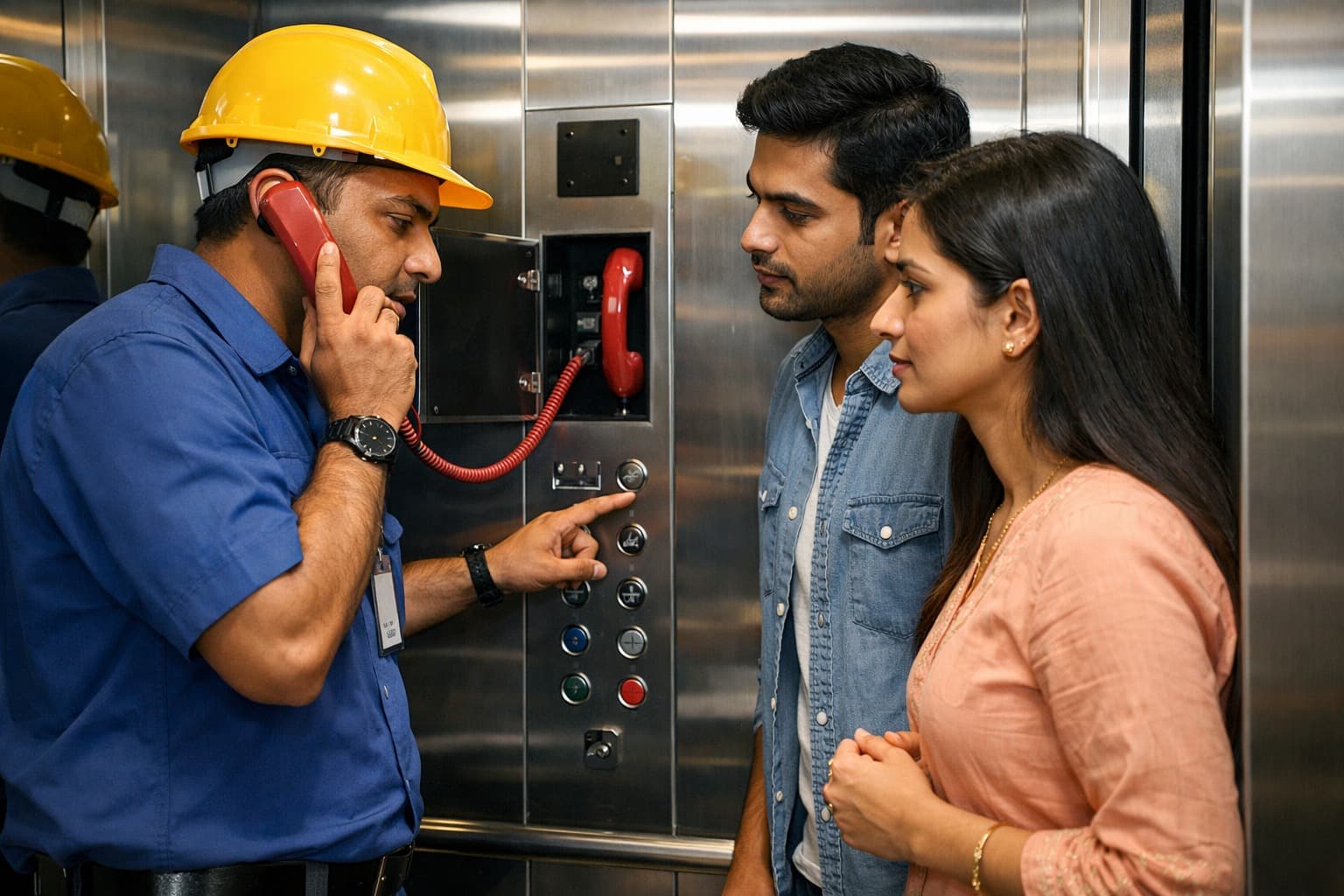
Inspect the control panel inside the lift. Buttons should respond immediately and display clear floor indicators. Non functional buttons suggest neglect. Emergency features are critical for elevator safety. Check for an alarm button, emergency light, and communication system. These systems protect users during power failures or breakdowns. Their presence and condition reflect the seriousness of safety planning in the building.
Cleanliness and Cabin Condition
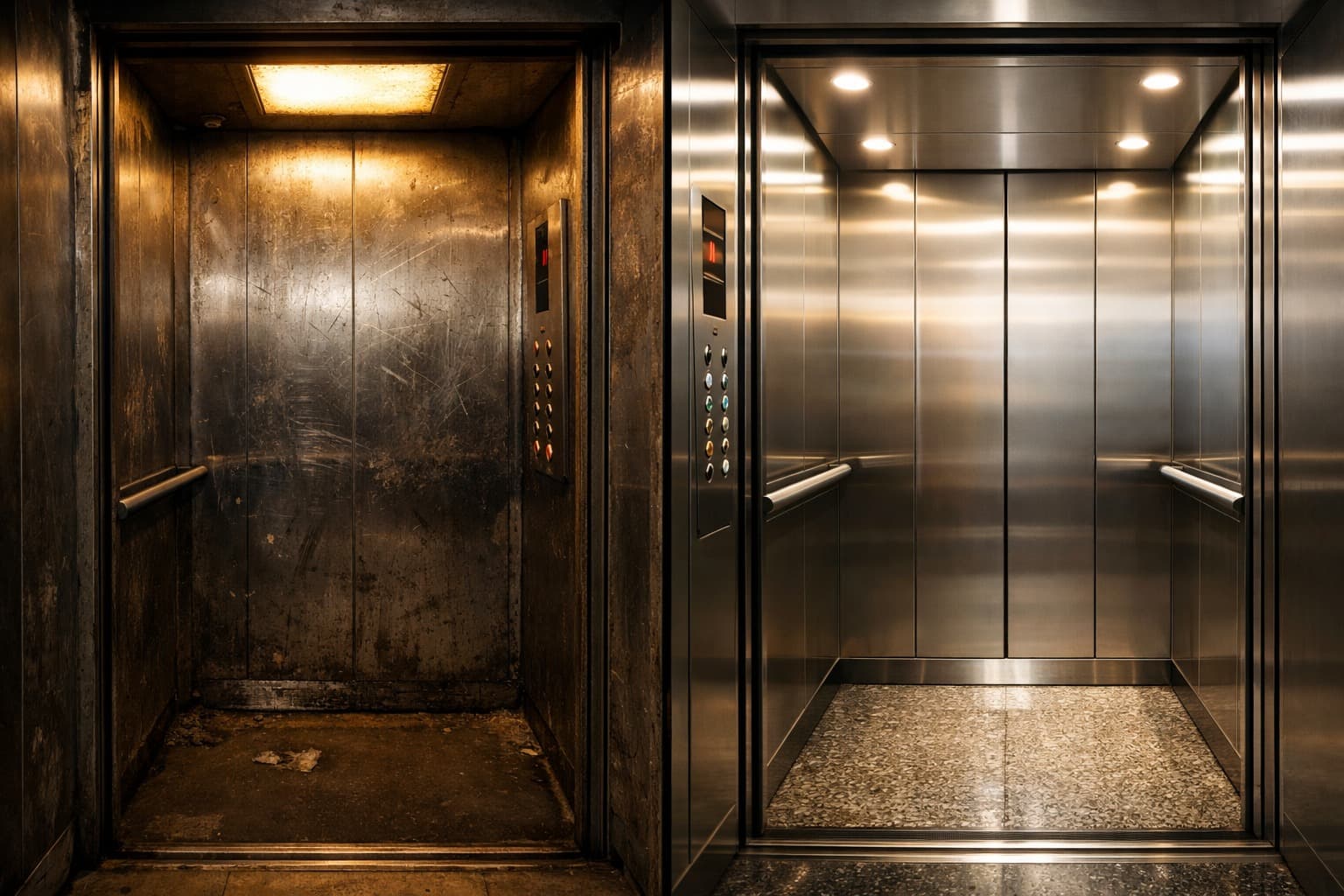
Lift cleanliness reflects daily maintenance practices. Check the cabin walls, flooring, mirrors, and ceiling. Poor hygiene may not affect safety directly but signals weak management. Worn out flooring or damaged panels may also pose safety risks. A clean, well maintained lift usually indicates regular servicing and monitoring. This step supports a complete home lift inspection during property evaluation.
Maintenance Records and Service Frequency
Ask the society or builder about maintenance schedules. A lift maintenance checklist for residential buildings includes regular servicing, inspections, and part replacements. Maintenance records should show routine checks rather than emergency repairs only. Frequent breakdown complaints are red flags. Transparent maintenance history indicates responsible management and reduces future inconvenience for residents.
Power Backup and Emergency Planning
Power failure is common in many areas. Lifts should have power backup systems to ensure safe operation during outages. Check whether the lift connects to a generator or battery backup. Emergency rescue procedures should also be in place. These measures protect residents from getting stuck and improve apartment lift safety. Buyers should not ignore this aspect during inspection.
Common Lift Problems in Residential Buildings
Common lift problems include sudden stoppages, door malfunctions, noisy operation, and slow response time. These issues often arise from poor maintenance rather than age alone. In new buildings, such problems may indicate rushed installation or low quality components. Identifying these issues early helps buyers understand potential risks and future expenses related to lift maintenance.
Lift Safety for Different Age Groups
Families include members of different age groups with varying needs. Elderly residents need lifts that stop level with the floor to avoid tripping. Children require safety sensors to prevent door accidents. A well designed lift system supports safe usage for everyone. Evaluating lift features from a family perspective adds depth to lift inspection tips for homebuyers.
When to Inspect and What to Observe
Buyers should use the lift multiple times during the visit, preferably during peak hours. This shows how the system handles regular load. Observation over a few trips provides better understanding than a single ride. A thoughtful approach to lift inspection helps buyers assess reliability rather than assuming performance based on appearance alone.
Summary
Lift quality and maintenance directly affect daily comfort and safety in apartment living. This article explains how to check lift quality before buying a flat, covering operation, safety systems, cleanliness, and maintenance records. It highlights common lift problems in residential buildings and explains what to check in apartment lift safety. By following a simple lift maintenance checklist and observing key details during site visits, homebuyers can make informed decisions and ensure reliable, safe, and stress free vertical mobility in their future home.