
How to Calculate Carpet Area in a Flat: A Comprehensive Guide for Homebuyers
Summary
Learn how to calculate carpet area in a flat to understand the actual usable space. This guide helps homebuyers compare properties accurately and make informed decisions, avoiding overpaying for unusable areas.

Introduction
Understanding the actual usable space in a flat is one of the most important aspects of home buying. Many buyers rely on brochures and advertisements without fully knowing how space is measured. This often leads to confusion after possession. Learning how to calculate carpet area in a flat helps buyers clearly understand the space they are paying for. Carpet area represents the real living space inside a home, making its calculation essential for comparing properties and evaluating value accurately.
What Is Carpet Area in Simple Terms
Carpet area in real estate refers to the net usable area within the internal walls of a flat. It includes bedrooms, living rooms, kitchens, bathrooms, and internal passages. It does not include external walls, balconies, verandas, terraces, or shared areas such as staircases and lifts. In simple words, carpet area is the space where furniture can be placed and daily activities take place. This is why flat carpet area is the most important measurement for buyers.
Why Carpet Area Calculation Is Important
Understanding carpet area calculation is important because pricing and comfort depend on it. Two flats with the same quoted size can feel very different due to variations in carpet area. Buyers who understand property area measurement can compare flats correctly and avoid paying for non-usable space. Carpet area directly affects room sizes, furniture placement, and overall livability, making it a critical factor in decision-making.
Areas Included in Carpet Area
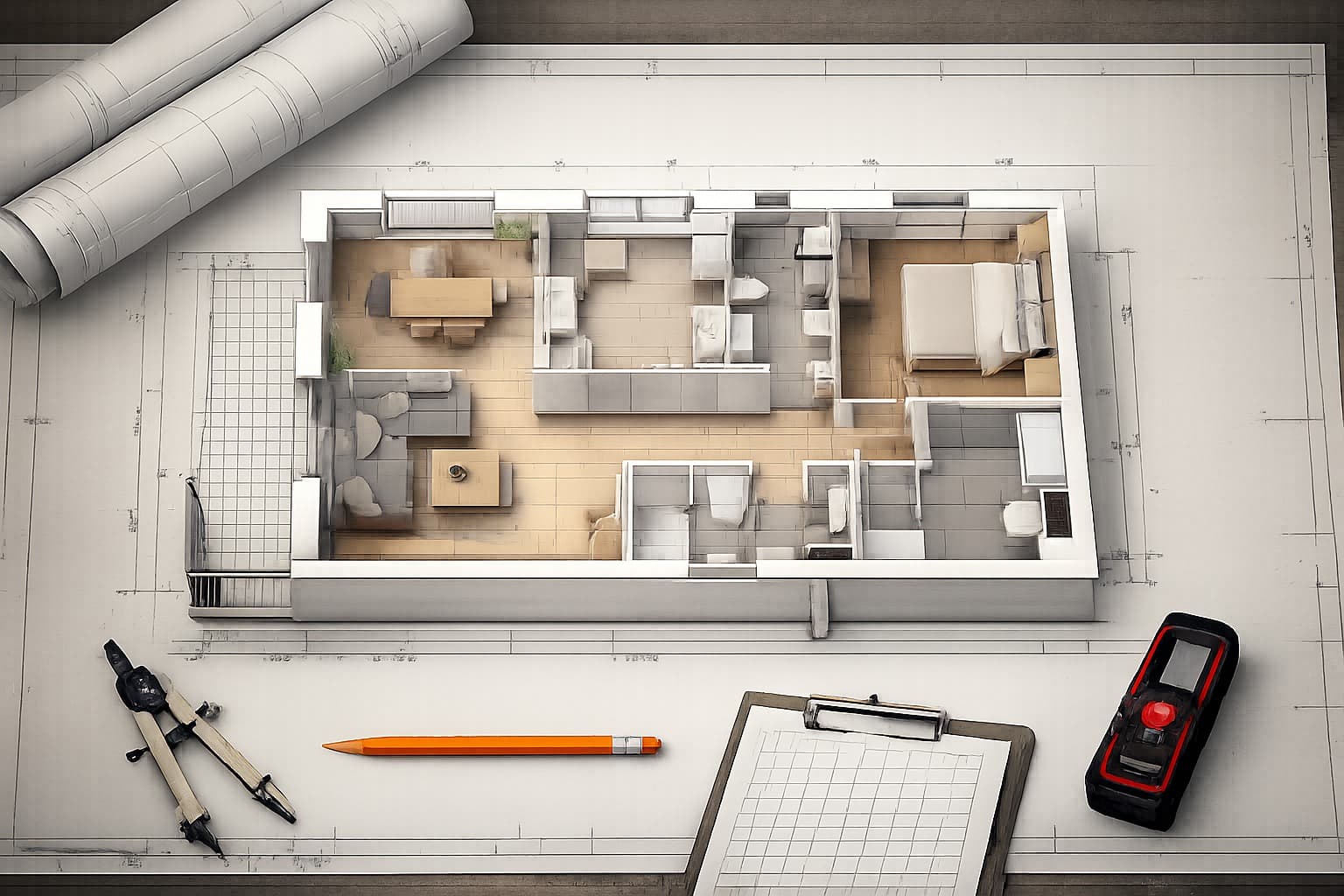
Before calculating carpet area, buyers must know what is included. Carpet area covers all rooms inside the flat such as bedrooms, hall, kitchen, toilets, and internal corridors. Internal partition walls are included in the measurement. This total forms the usable area of the flat. Since this area defines daily comfort, buyers should focus closely on these inclusions while reviewing property documents.
Areas Excluded from Carpet Area
Just as important as inclusions are exclusions. Carpet area does not include external walls, balconies, terraces, verandas, utility areas, shafts, staircases, or common corridors. These exclusions explain why carpet area is smaller than other measurements like built-up area. Knowing these exclusions helps buyers avoid confusion while understanding flat size details provided by developers.
Step-by-Step Method to Calculate Carpet Area
To understand how to calculate carpet area, start by measuring each room from the inner side of the walls. Measure the length and width of every room and multiply them to get individual room areas. Add the areas of all rooms and internal corridors. Do not include balconies or wall thickness. The final total gives the correct method to measure carpet area accurately.
Using a Sample Flat for Calculation
Consider a simple flat layout with two bedrooms, a living room, kitchen, two bathrooms, and a passage. Measure each space individually. For example, if a bedroom is ten feet by twelve feet, its area is one hundred twenty square feet. Repeat this for every room. Add all these values to arrive at the flat carpet area calculation. This practical method makes carpet area easy to understand.
Difference between Carpet Area and Built-up Area
Many buyers confuse carpet area with built-up area. The difference between carpet area and built-up area is that built-up area includes carpet area plus wall thickness and sometimes balconies. Carpet area is always smaller but more accurate for living comfort. Understanding this difference ensures buyers do not misjudge space while reviewing floor plans or sale agreements.
Carpet Area Mentioned in Sale Agreements
Sale agreements and brochures now clearly mention carpet area to improve transparency. Buyers should cross-check the carpet area stated in documents with floor plans. If measurements are unclear, buyers should ask for clarification. Understanding carpet area calculation for homebuyers helps ensure there are no discrepancies between promised and delivered space.
Common Mistakes Buyers Make
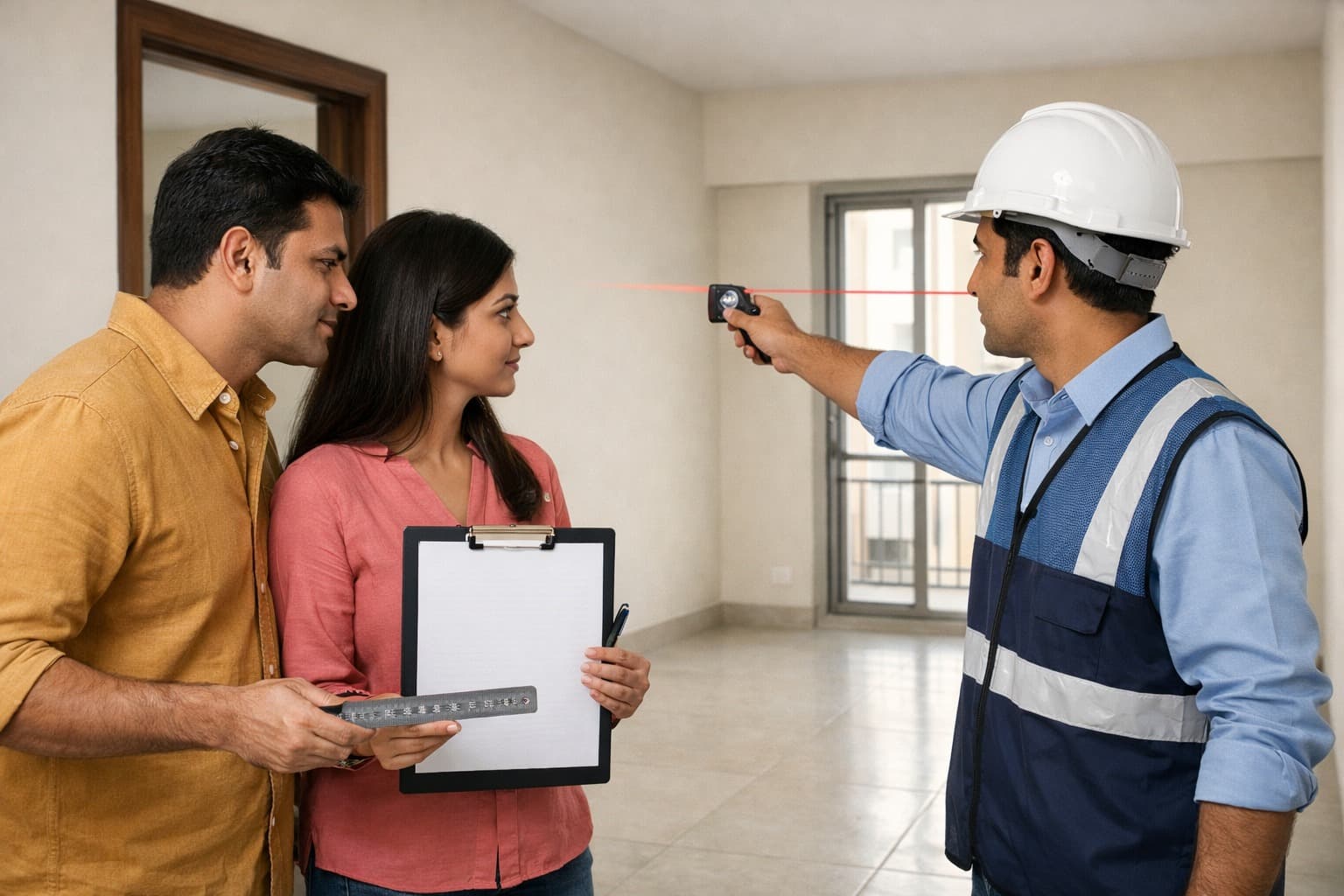
One common mistake is assuming that the total quoted area is the usable area. Another mistake is not verifying whether balconies are included. Some buyers also fail to measure rooms during site visits. Avoiding these mistakes requires understanding how to calculate carpet area in a flat independently rather than relying only on developer information.
Tools Used for Carpet Area Measurement
Carpet area can be calculated using simple tools like a measuring tape or laser distance meter. Buyers can also use approved floor plans provided by developers. Digital measurement tools help improve accuracy, especially in irregular layouts. Using proper tools ensures correct property area measurement and reduces chances of misunderstanding.
How Carpet Area Impacts Pricing and Value
Price per square foot should ideally be calculated based on carpet area. This gives a realistic idea of value. Flats with efficient layouts offer higher carpet area compared to their overall size. Understanding carpet area helps buyers identify better value deals and avoid overpaying for non-usable space.
Making an Informed Home Buying Decision
Knowing how to calculate carpet area empowers buyers to ask informed questions and negotiate confidently. Carpet area directly affects comfort, usability, and long-term satisfaction. Buyers who focus on carpet area rather than marketing numbers make better property choices aligned with their lifestyle and budget.
Summary
Carpet area represents the actual usable space inside a flat and is the most important measurement for homebuyers. Calculating carpet area involves measuring rooms from the inner walls and excluding balconies, external walls, and common areas. Understanding this calculation helps buyers compare properties accurately, assess real value, and avoid confusion caused by inflated area figures. By focusing on carpet area, buyers can make informed decisions, plan interiors efficiently, and ensure long-term comfort in their homes.