
How to Build an Emergency Fund Before Buying a House
Summary
Building an emergency fund before buying a house is crucial for financial security. This guide provides practical steps, from setting savings goals to automating contributions, ensuring you're prepared for homeownership.

Introduction
Preparing to buy a home is an exciting goal, but it also brings many financial responsibilities. One of the most important parts of preparing for this milestone is building an emergency fund. An emergency fund is money set aside to handle unexpected life events such as job loss, medical bills, urgent repairs, or sudden travel needs. Without this financial safety net, unexpected expenses can derail your budget and delay your dream of homeownership. In this guide, we will walk you through practical and achievable steps to build a strong emergency fund before committing to a realistic budget plan for buying your first home.
1. Understand Why an Emergency Fund Matters
An emergency fund protects your savings and preserves your financial stability when life throws surprises. Before you commit to long-term obligations like home loan EMIs, you should ensure that your everyday finances are secure. Emergencies can happen to anyone, and having a dedicated fund prevents you from relying on expensive credit, loans, or dipping into your home savings. When your financial foundation is secure, you can confidently manage monthly expenses and future loan repayments without stress. A solid emergency fund brings peace of mind and strengthens your overall financial plan.
2. Set a Clear Savings Target for Your Fund
Before you start saving, determine how much you need in your emergency fund. A good rule of thumb is to save enough to cover at least three to six months of essential expenses. Essential expenses include rent, utilities, food, insurance, transport, and any existing EMIs or recurring bills that you cannot easily stop. Depending on your job stability and lifestyle, you may want to save more or slightly less. For example, if your income is irregular, consider saving closer to six months of costs. Defining a clear target makes your financial plan more structured and achievable.
3. Review and Improve Your Monthly Budget
Creating a monthly budget helps you identify how much money you can safely allocate to your emergency fund each month. Start by listing your income and all regular expenses. Separate your costs into fixed expenses like rent and utilities and discretionary costs such as dining out, subscriptions, or entertainment. This step helps you identify areas where you can reduce spending and redirect that amount toward your emergency savings.
Tracking your spending habit for a few months reveals patterns that you may not notice otherwise. You might find small adjustments like cooking at home more often or reducing unused subscriptions can free up significant amounts. A clear budget aligned with your priorities accelerates your progress toward an emergency fund.
4. Automate Your Savings Contributions
One of the best ways to build an emergency fund is to make saving automatic. Instead of waiting until the end of the month to save what is left, set up automatic transfers to a dedicated savings account or a separate emergency fund account at the start of the month. Treat your emergency savings as a non-negotiable expense, just like rent or utilities.

Automation removes the risk of forgetting or delaying your savings. Over time, this habit helps you build a substantial fund without consciously thinking about it every month. Many banks and online platforms make scheduled transfers easy, helping you stay disciplined and consistent.
5. Use the Right Savings Tools for Safety and Growth
While building your emergency fund, choose financial tools that offer both safety and quick access to your money. A traditional savings account is safe but may offer low interest. Consider high-yield savings accounts, fixed deposits that allow partial withdrawal, or liquid funds with low risk and better returns than a standard account.
The primary focus of an emergency fund should be security and accessibility, not high profit. Your money should be easily available when needed, without penalties.
6. Reduce Unnecessary Costs and Reallocate Funds
To accelerate your emergency savings, look for ways to reduce unnecessary costs. Review recurring subscriptions and services that you rarely use. Evaluate discretionary spending like eating out, branded shopping, or frequent entertainment outings. Small changes can make a big difference over months.
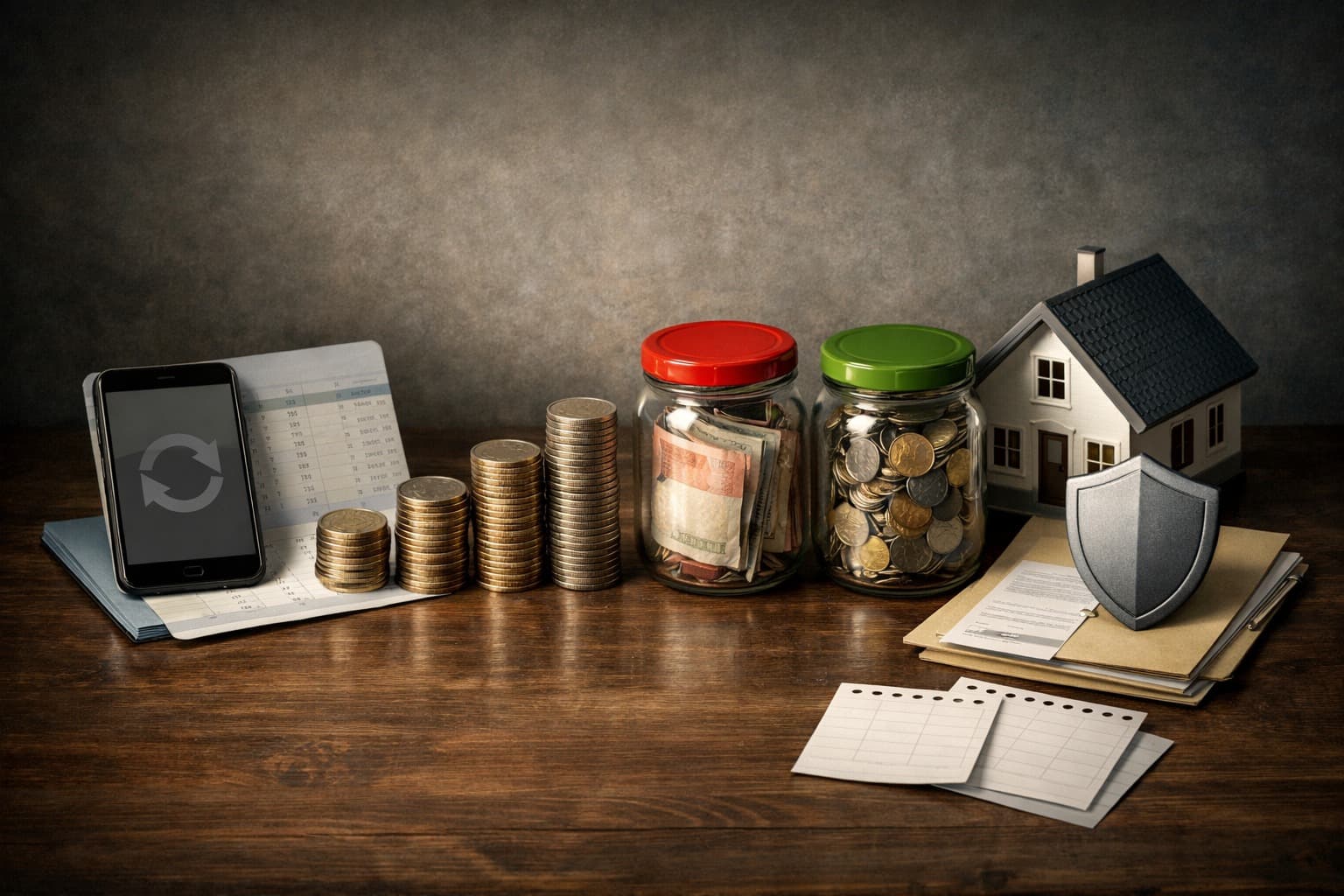
Once you identify potential areas for reduction, redirect that money directly into your emergency fund. Each small decision adds up and pushes you closer to your target. With discipline and consistent adjustments, your emergency fund can grow steadily while you work toward buying your home.
7. Use Windfalls and Bonuses Wisely
Any unexpected lump sums like bonuses, tax refunds, gifts, or incentives can be a powerful boost to your emergency fund. Instead of spending these amounts on lifestyle upgrades or non-essential purchases, consider allocating a good portion of them to your savings goal.
8. Monitor Progress and Adjust Your Plan
Building an emergency fund takes time and consistency. Periodically review your progress and adjust your plan if needed. Life changes such as salary increases, family responsibilities, or lifestyle shifts may affect your savings schedule. When your income increases, consider raising your monthly contribution.
Tracking your progress keeps you motivated and accountable. Celebrate milestones such as reaching one-third or halfway to your goal. Regular monitoring ensures your emergency fund grows steadily and stays aligned with your financial plans before committing to loan payments or property purchase.
Summary
Building an emergency fund before buying a home is essential to protect your savings and financial well-being. Start by setting a clear savings target based on three to six months of essential expenses. Create and track a monthly budget, automate your savings into a dedicated account, and choose secure financial tools suited to your needs. Reduce unnecessary expenses, use windfalls wisely, and monitor your progress regularly.