
How Solar Homes Reduce Electricity Bills in India
Summary
Solar homes in India offer a sustainable way to cut electricity bills. With government support, net metering, and long-term savings, rooftop solar is a smart investment for Indian families seeking energy independence and financial stability.

Introduction
Rising power tariffs have made electricity expenses a major concern for Indian families. In this situation, solar homes electricity savings have become an important solution. India’s rapid growth in renewable energy shows strong national commitment, and households are now part of this change. By installing rooftop solar panels India, homeowners can generate clean power and reduce dependence on the grid. With government support and improving technology, solar power for homes is becoming practical, affordable, and reliable for long-term financial relief.
India’s Growing Shift Toward Solar Energy
India has emerged as one of the world’s leading producers of renewable energy. Solar generation has increased rapidly over the past decade. This growth supports how solar homes reduce electricity bills for ordinary families. Rising awareness, falling panel prices, and better policies encourage adoption. Many urban and semi-urban homes now consider solar as a necessity rather than a luxury. This national movement has made reduce electricity bill solar strategies easier for homeowners.
How Rooftop Solar Systems Work
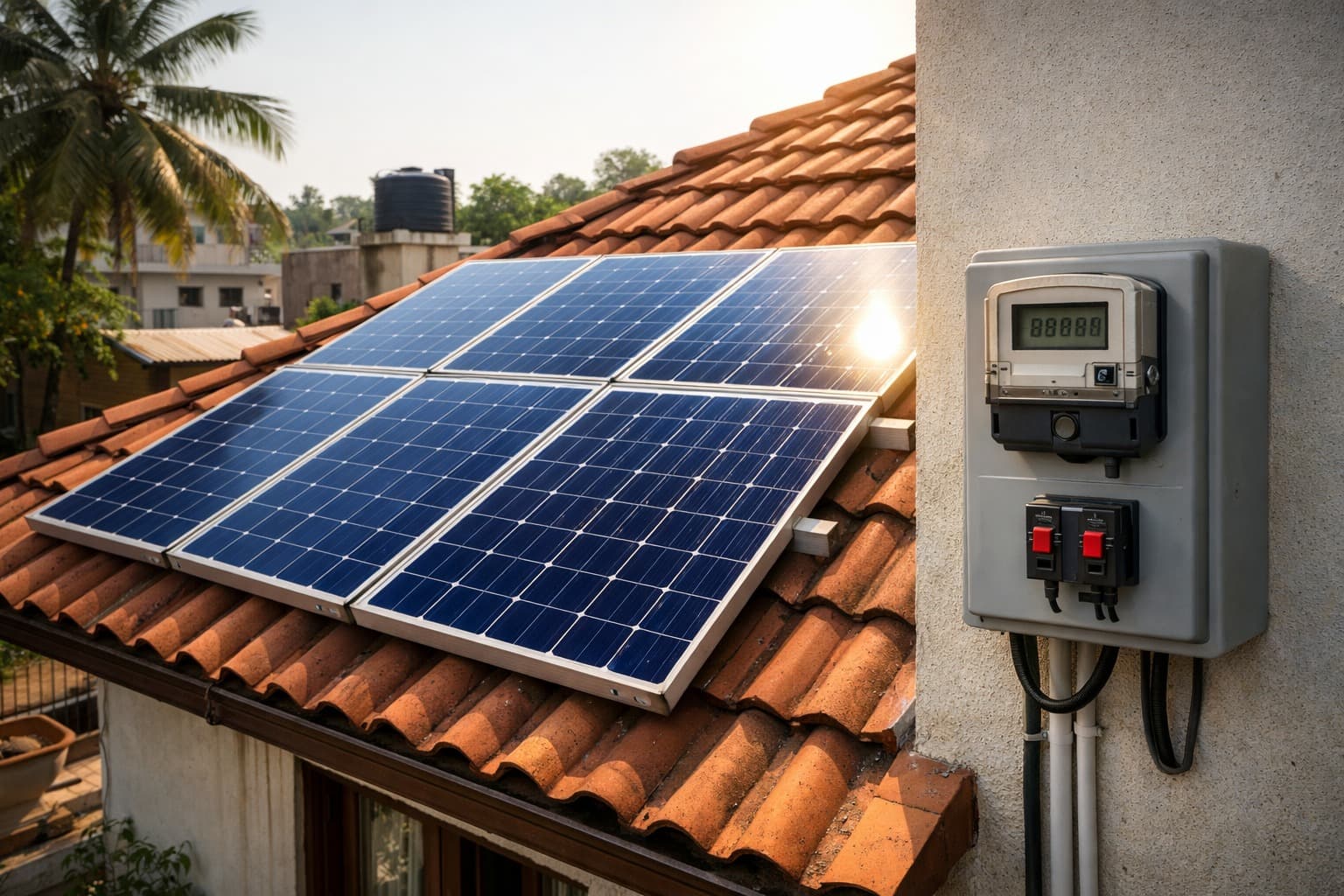
A solar system works by converting sunlight into usable electricity. Photovoltaic panels absorb sunlight and produce direct current. An inverter converts this into alternating current for household use. This process supports solar panel installation for house efficiency. During the day, appliances use solar power directly. At night, homes draw electricity from the grid. This balanced system ensures smooth power supply and strengthens best solar system for home performance.
Role of Net Metering in Bill Reduction
Net metering plays a vital role in maximizing savings. When your system produces extra electricity, it is sent to the grid. In return, you receive energy credits. These credits reduce future bills. The solar net metering benefits system ensures that no energy is wasted. This mechanism is central to how solar homes reduce electricity bills in India. During sunny months, surplus power balances higher consumption periods, keeping bills low.
Government Support and Subsidies
Government initiatives have made solar adoption easier. Under schemes like PM Surya Ghar Muft Bijli Yojana, homeowners receive financial assistance. The rooftop solar subsidy India program covers a major portion of installation costs. This reduces financial burden and improves affordability. Understanding government subsidy for home solar system in India helps families plan better. These policies encourage clean energy while supporting household savings.

Understanding Installation Cost and Payback Period
The cost of solar systems varies based on size, quality, and location. Typically, the home solar system cost ranges between ₹45,000 and ₹80,000 per kilowatt. A small household may need a 2 kW system, while larger homes require 5 kW or more. Despite initial expenses, savings recover the investment within four to six years. This explains is solar power worth it for Indian households for long-term planning.
Real Impact on Monthly Electricity Bills
Installing solar panels can reduce bills by 50 to 90 percent. A properly sized system can even bring bills close to zero. This supports benefits of rooftop solar panels for homeowners financially. For example, a 5 kW system can generate 400 to 600 units per month. This directly offsets grid consumption. Over time, consistent savings improve household budgeting and financial stability.
Importance of Proper System Sizing
System sizing determines performance and savings. A small system may not meet energy needs, while an oversized system increases cost. Professional assessment ensures balance. Experts analyze roof space, sunlight exposure, and usage patterns. This approach strengthens step by step solar panel installation process for homes efficiency. Proper design maximizes generation and improves long-term reliability.
Choosing a Reliable Solar Service Provider
Selecting the right installer is crucial. Professional companies ensure correct mounting, wiring, and safety standards. Reliable providers offer maintenance, monitoring, and technical support. This supports long-term solar power for homes success. Good service prevents performance losses and extends system life. Homeowners benefit from smooth operations and consistent savings.
Maintenance and Long-Term Performance
Solar systems require minimal maintenance. Occasional cleaning and inspection keep panels efficient. Dust, shading, or wiring issues can reduce output. Regular service maintains productivity. Long-term maintenance supports solar homes electricity savings over decades. Most panels last 25 to 30 years, making solar a durable investment.
Environmental and Property Value Benefits
Apart from financial savings, solar reduces carbon emissions. Clean energy improves environmental quality. Homes with solar systems often enjoy higher resale value. Buyers prefer energy-efficient properties. This strengthens reduce electricity bill solar and investment benefits. Solar adoption reflects responsible living and future readiness.
Step-by-Step Process to Go Solar
The journey begins with rooftop assessment and energy audit. Next, engineers design a customized system. Then, subsidy and net metering applications are completed. Installation follows with certified professionals. Finally, inspection and commissioning take place. This structured approach ensures solar panel installation for house success. Each step contributes to long-term efficiency.
Common Challenges and How to Overcome Them
Some homeowners worry about roof suitability, paperwork, or maintenance. These challenges are manageable with expert guidance. Choosing experienced providers simplifies approvals. Awareness about solar net metering benefits reduces confusion. With proper planning, most obstacles can be avoided.
Why Solar Is a Smart Long-Term Investment
Rising electricity tariffs make solar more attractive every year. Once installed, households enjoy predictable energy costs. Combined with subsidies and net metering, returns improve. This makes best solar system for home adoption financially sensible. Solar protects families from future price hikes and power shortages.
Future of Residential Solar in India
India’s renewable targets and urban growth will further promote solar homes. Smart grids, better storage, and advanced panels will improve performance. More families will explore how solar homes reduce electricity bills as awareness increases. The future of residential energy is clean, affordable, and self-reliant.
Summary
Solar homes offer Indian families an effective way to reduce rising electricity expenses through clean and reliable energy. Rooftop solar systems generate power, support net metering, and benefit from government subsidies, making them affordable and practical. Proper system sizing, professional installation, and regular maintenance ensure long-term performance. With strong financial savings, environmental advantages, and increased property value, solar power has become a smart investment for households seeking stable, low-cost, and sustainable energy solutions.