
How Seasonal Demand Moves Retail Rentals in India
Summary
Seasonal demand significantly impacts Indian retail rentals. The festive quarter favors landlords, while January-February offers better tenant deals. Weddings and summer also create localized spikes, influencing negotiation dynamics.

Introduction
Retail rental negotiations in India happen year-round but they do not happen in a vacuum. The month in which a tenant approaches a landlord, the quarter in which a lease comes up for renewal, and the phase of the festive cycle the market is currently in all influence the outcome of that conversation in ways that neither party always acknowledges explicitly. Retail rental seasonality India is not a minor variable. In well-located high streets and premium malls across Mumbai, Delhi, Bengaluru, and Chennai, the difference between signing a lease in August versus signing the same lease in October can translate into a ten to twenty percent difference in the agreed monthly rent. Understanding why that gap exists and how both sides respond to it is one of the more financially useful things a retail tenant or property investor can know.
The Indian Festive Quarter: When Everything Accelerates
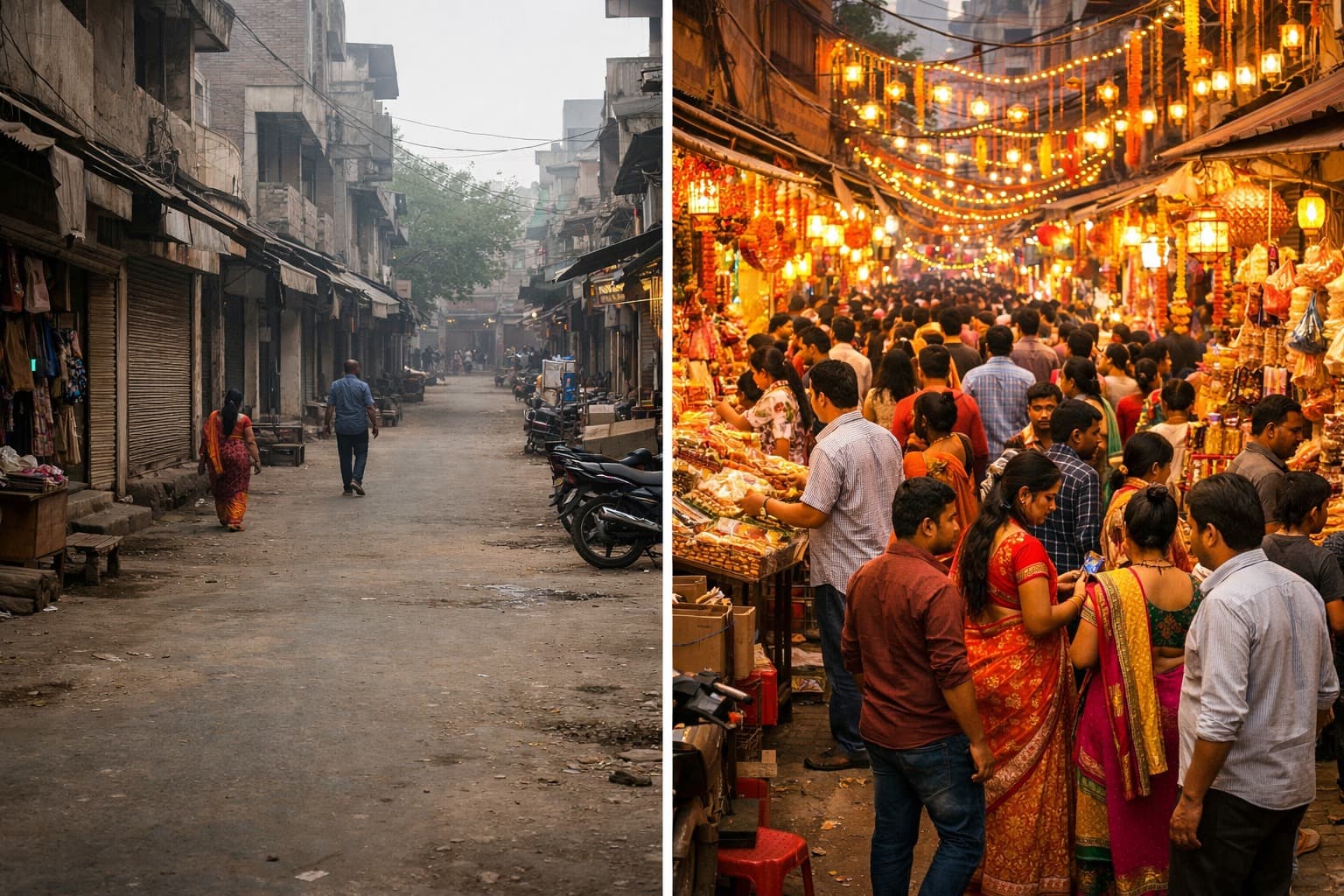
India's retail economy runs on a festive calendar that concentrates consumer spending into a remarkably short window. Navratri, Dussehra, Dhanteras, Diwali, and the Christmas and New Year stretch from roughly mid-October through December account for a disproportionate share of annual retail revenue across categories from electronics to jewellery to apparel to home furnishings. Retailers who are present and operational during this quarter earn a significant portion of their annual revenue in ten to twelve weeks.
That concentration of consumer spending creates a parallel concentration of retail property demand India in the months leading up to the festive window. Retailers who want to open new stores, expand existing ones, or enter a new city invariably try to be operational before October. That demand pressure, compressed into July, August, and September, drives landlords into their strongest negotiating position of the year. Asking rents in premium locations rise. Landlords resist rent-free fit-out periods. Lease term negotiations tighten. The tenant who waits until November to begin looking for a store misses the entire festive revenue opportunity and signs from a position of urgency, which never produces the best terms.
Post-Festive: When the Pendulum Swings
January and February are typically the most tenant-friendly months in Indian retail rental fluctuation cycles. The festive rush has passed. Retailers who did not sign deals in the pre-festive window are either deferring to the next cycle or have lower urgency. Mall operators and high-street landlords who have vacant units sitting unoccupied through the post-festive period are more willing to negotiate on base rent, fit-out contributions, and rent-free periods than they were four months earlier.
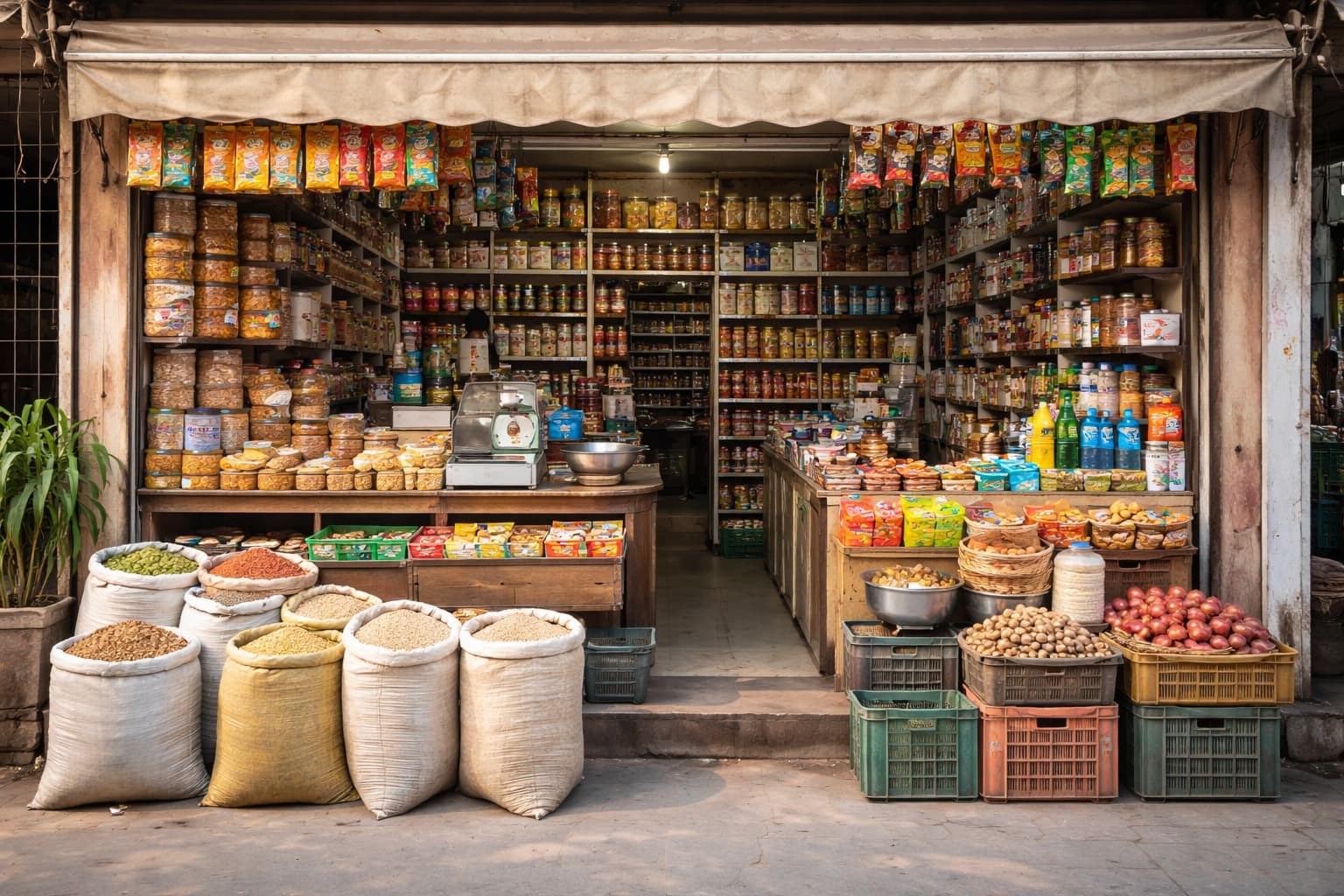
Smart retail tenants who do not have an urgent operational deadline use this window deliberately. A twelve-month lease signed in February at a negotiated ten percent below-market rate, with a six-week fit-out period at zero rent, represents a meaningfully lower total occupancy cost over the lease term than the same space signed in September at asking rent with no concessions.
Wedding Season and Its Specific Retail Effect
India has a second, smaller but significant seasonal demand spike around wedding season. The November to February window, with specific concentration around auspicious dates, drives sharp demand increases for jewellery, ethnic wear, gifting, and home goods retail. Locations near wedding venues, banquet clusters, and high-density residential areas in Delhi NCR, Mumbai's western suburbs, and Bengaluru's Koramangala belt see tenant inquiry volumes rise sharply from October onward specifically for these categories.
Commercial rental trends India in wedding-adjacent micro-markets therefore show a tighter correlation with local wedding calendar density than with national festive cycles alone. A jeweller evaluating a store in a locality with multiple wedding venues within two kilometres is dealing with a more concentrated seasonal demand argument than one evaluating a location in a purely residential suburb.
How Mall Operators Manage Seasonal Vacancy
Large mall operators in India have developed sophisticated strategies to smooth seasonal demand volatility across their tenant mix. Revenue share arrangements, where the landlord takes a percentage of the tenant's monthly sales instead of or in addition to a fixed rent, align the landlord's interest with the tenant's seasonal performance. During peak festive months, the landlord earns more. During slow post-festive months, the fixed rent burden on the tenant is partially offset.
Pop-up and kiosk formats serve a similar smoothing function. Seasonal retailers, those selling Christmas decorations, Diwali diyas, or summer fashion lines, occupy common area kiosk spaces during their peak demand windows and vacate without creating long-term vacancy problems. This flexible inventory strategy keeps mall common areas active year-round while generating incremental rental revenue that pure long-term leasing cannot capture.
Summer and the Eating Out Spike
April through June creates its own seasonal retail rent dynamic for food and beverage tenants. School holidays combined with intense heat push urban middle-income families into air-conditioned mall environments far more frequently than during cooler months. Restaurant and quick service food tenants in malls consistently report their highest table turn rates and revenue per square foot during the summer holiday period.
Landlords managing food courts and restaurant zones in malls have learned to time lease renewals carefully around this cycle. Tenants whose leases expire in April or May negotiate from a position of demonstrated recent performance and do not need the space as desperately as a tenant whose lease expires in October.
Summary
Seasonal demand drives meaningful fluctuations in retail rental rates across India's high streets and malls, with the festive quarter from October to December representing peak landlord pricing power and January to February offering the most tenant-friendly negotiating conditions. Wedding season, summer holidays, and regional festival calendars add micro-level demand spikes that affect specific retail categories and locations differently. Tenants who time lease entries around the demand cycle and landlords who use revenue share structures to smooth volatility both extract better financial outcomes than those who treat retail property rental as a static annual cost.