
How Natural Light Improves Home Wellness
Summary
Natural light is a critical factor in home wellness, profoundly influencing mood, sleep, vitamin D levels, and indoor air quality. Indian homebuyers are increasingly prioritizing sunlit homes, recognizing benefits that align with ancient Vastu principles and modern science, making it essential to assess daylighting before purchase.

Introduction
Walk into two identical flats in the same building, one facing an open road and one boxed in by a neighbouring tower, and you will feel the difference before you notice it consciously. That feeling has a name now. Home wellness has become a real consideration for Indian buyers, and natural light sits right at the centre of it. It is not a soft, feel good add on anymore. It is showing up in how people shortlist properties.
Why Indian Homebuyers Are Suddenly Talking About Daylight
Post pandemic living rewired what people expect from a home. Hours spent indoors went up sharply, and so did the awareness of how a dim, closed up flat affects mood by evening. Builders have noticed too. Larger windows, glass balconies, and open courtyards are no longer premium features reserved for villas.
The Science Nobody Really Explains Well
Exposure to daylight regulates the body's internal clock, known as the circadian rhythm. This clock controls when you feel alert and when you feel sleepy. A home that lets in strong morning light actually helps residents wake up more naturally and sleep better at night, which sounds simple but changes daily energy levels quite a bit.
Vitamin D and the Silent Deficiency Problem
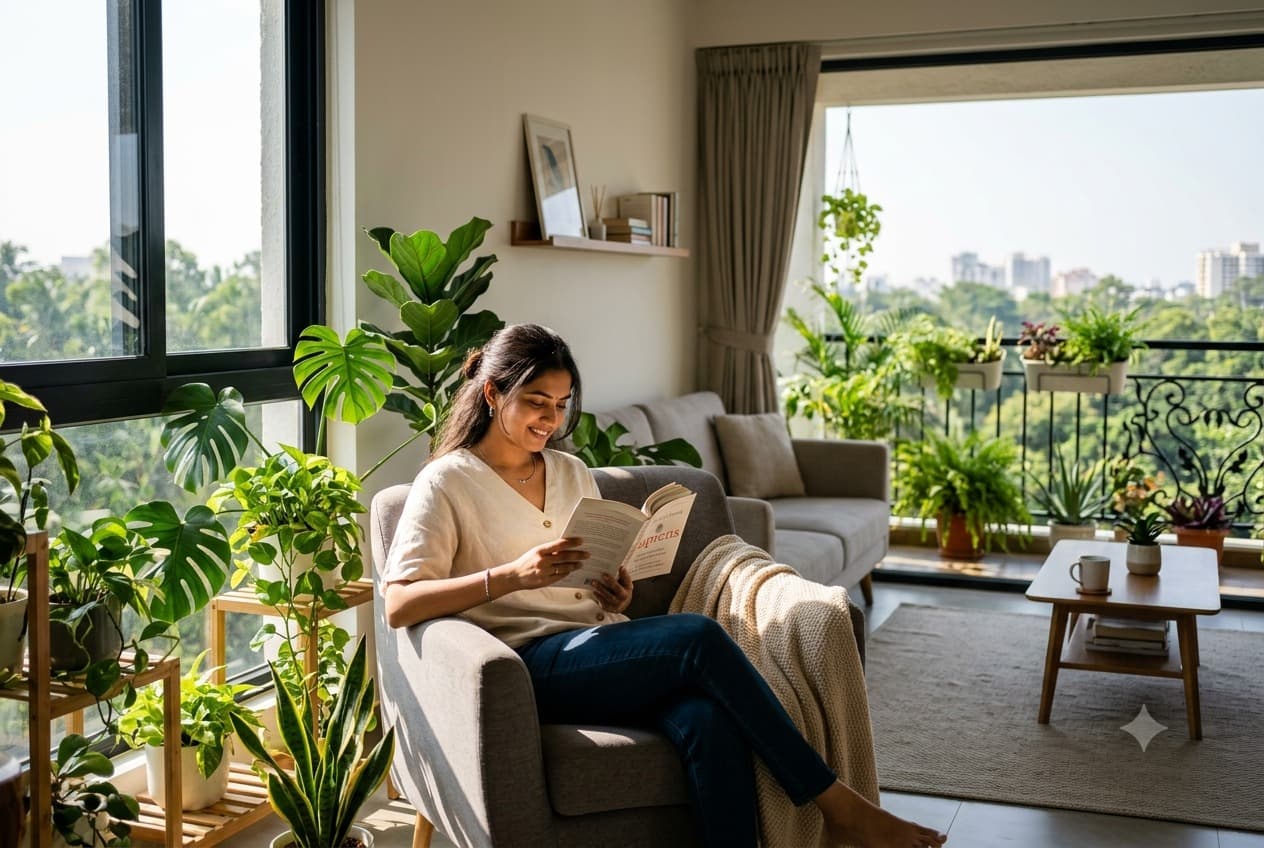
India gets plenty of sunshine, yet vitamin D deficiency is oddly common in cities. Part of the reason is that people spend most daylight hours inside offices and homes with poor daylighting. A flat designed to let sunlight actually reach living spaces, not just the balcony, makes a quiet but real difference here.
Mood, Focus and the Hours You Spend Indoors
Dim rooms tend to feel heavier by late afternoon. Anyone who has worked from a poorly lit bedroom during the pandemic knows this without needing a study to confirm it. Better light exposure through the day has been linked to improved mood and sharper focus, and honestly, most people notice this themselves once they move into a brighter home.
What Vastu Got Right Long Before Science Caught Up
Traditional Vastu principles have always pushed for east facing windows and open, unobstructed entry points for the morning sun. Modern research on circadian health is essentially catching up to something Indian home design instincts already understood. That overlap is probably why vastu compliant homes with strong morning light continue to command buyer preference.
Reading Floor Plans Like a Buyer Who Knows Better
A floor plan can hide a lot. Two flats with the same carpet area can differ enormously in how much usable daylight actually reaches the living room or the kitchen. Buyers who visit a property only in the evening often miss this entirely. Visiting a shortlisted flat both in the morning and later in the day tells you more than any brochure will.
The Air Quality Connection Most People Miss
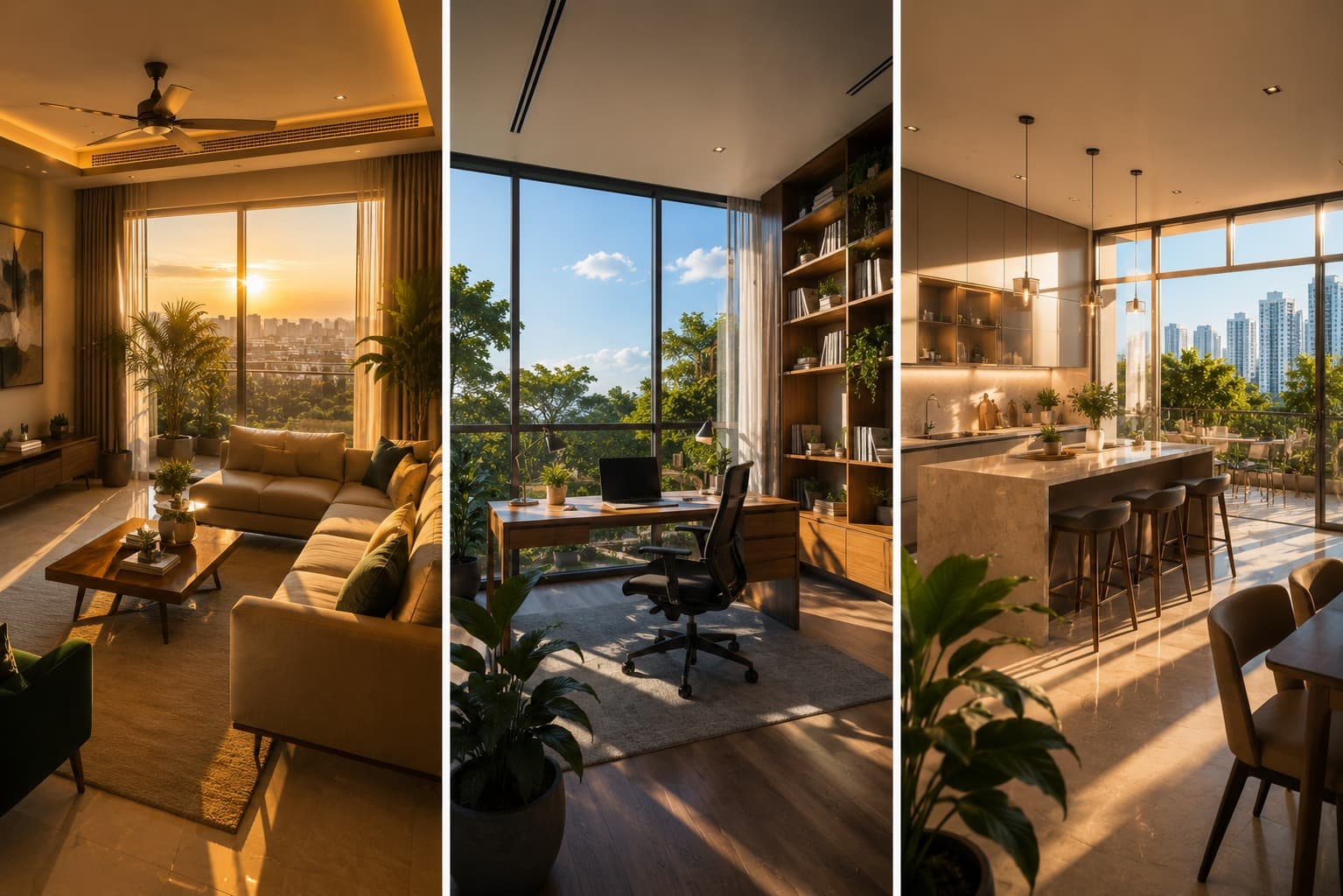
Sunlight and cross ventilation usually go together in a well designed home, and that pairing does more than just brighten a room. Reduced dampness, lower mould risk, and fresher indoor air all follow when a home is designed to let both light and air move through it properly.
What To Actually Check Before You Sign
Before finalising a purchase, check the direction the main rooms face, look at how close the next building is, and ask about the sun path across seasons. A flat that looks bright during a winter site visit can turn surprisingly dim come monsoon, so it pays to ask the right questions early rather than discover it later.
Summary
Natural light has quietly become one of the more important, if underrated, factors shaping home wellness decisions for Indian buyers today. From regulating sleep and mood to supporting vitamin D levels and healthier indoor air, sunlit homes offer benefits that go well beyond aesthetics. Whether you call it good daylighting or simply common sense inherited from Vastu, the takeaway is the same: check how a home handles light before you check anything else on the floor plan.